
HEADLINE
AIG Charges Gombe Police: Upholding Discipline and Professionalism for Public Trust
OPENING HOOK
In a nation grappling with persistent calls for improved law enforcement conduct, a significant directive has been issued to police personnel in Gombe State, aiming to recalibrate their approach to public service and enhance trust between the police and citizens.
WHAT HAPPENED
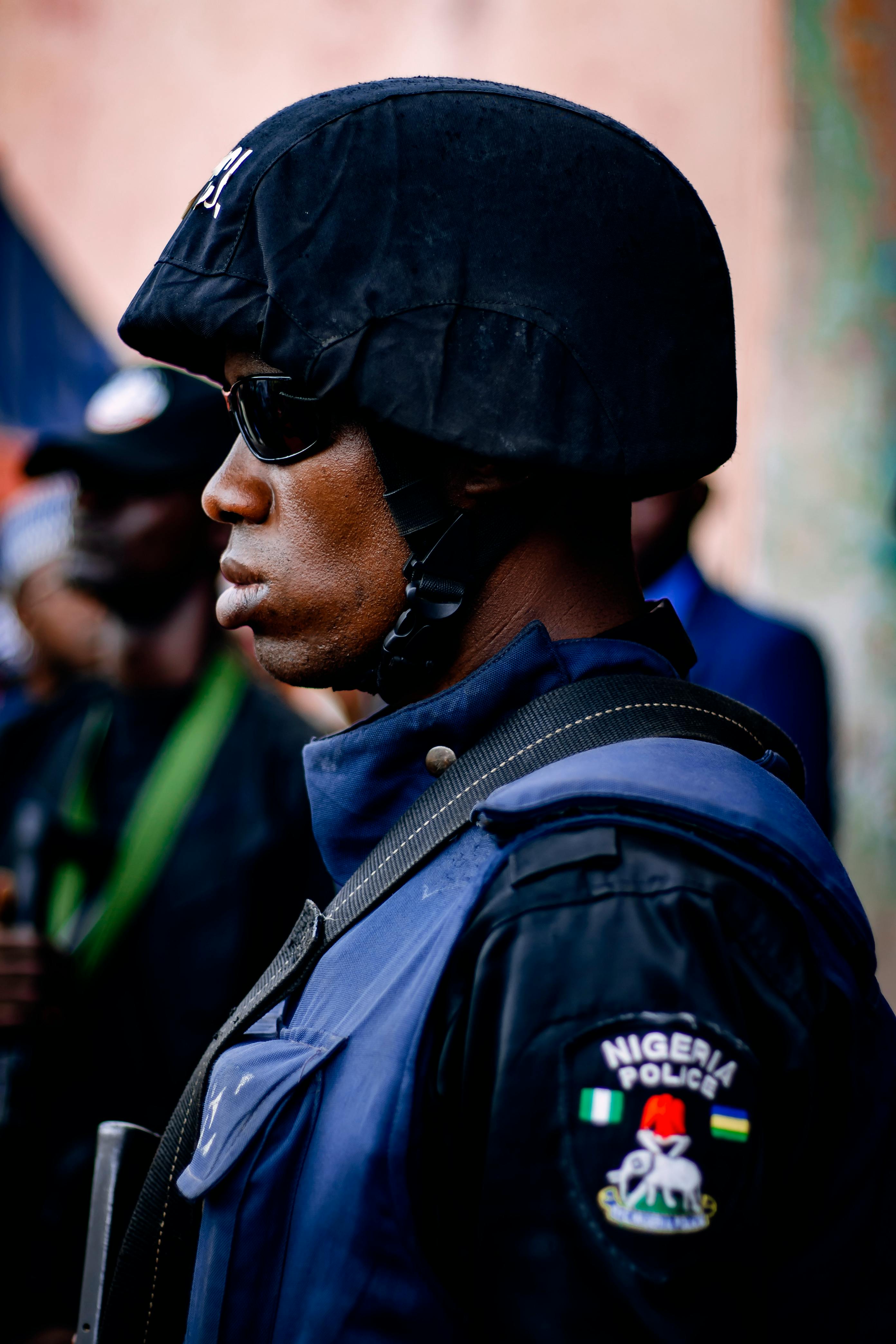
Assistant Inspector General of Police (AIG) Yahaya S. Kwaimoh has formally charged officers of the Gombe State Police Command to rigorously uphold the tenets of discipline, integrity, and professionalism in the discharge of their duties. This directive underscores a renewed focus from the Nigeria Police Force leadership on ethical policing and accountability across its ranks.
WHO ARE THE KEY PLAYERS
**AIG Yahaya S. Kwaimoh:** An Assistant Inspector General of Police (AIG) is a high-ranking officer in the Nigeria Police Force, typically overseeing a zone comprising several state commands or heading a specialized department at the Force Headquarters. AIG Kwaimoh's role involves ensuring operational efficiency and adherence to police ethics within his jurisdiction.
**Gombe State Police Command:** This is the primary law enforcement agency responsible for maintaining peace, order, and security within Gombe State. It operates under the command of a Commissioner of Police and is part of the broader Nigeria Police Force structure.
**Nigeria Police Force (NPF):** The national police service of Nigeria, with a mandate to prevent and detect crime, apprehend offenders, preserve law and order, protect life and property, and enforce all laws and regulations. It is one of the largest police forces in Africa.
UNDERSTANDING THE LOCATION
Gombe State, located in Nigeria's North-East geopolitical zone, is often referred to as the 'Jewel in the Savannah.' It shares borders with several other states, including Borno, Yobe, Adamawa, Taraba, and Bauchi. The state's diverse population engages primarily in agriculture and trade. Effective policing in Gombe is crucial for maintaining stability in a region that has faced security challenges, making the AIG's emphasis on discipline particularly pertinent for residents who rely on the police for safety and justice.
BACKGROUND AND CONTEXT
The call for discipline and professionalism within the Nigeria Police Force is not new. Over the years, the NPF has faced significant public scrutiny regarding allegations of corruption, human rights abuses, and a general lack of accountability, which notably culminated in the nationwide #EndSARS protests. These challenges have eroded public trust, making it difficult for the police to effectively carry out their duties, especially in intelligence gathering and community policing. Previous administrations and police leaderships have initiated various reform efforts, training programs, and disciplinary actions, but consistent application and visible change remain ongoing challenges. This current directive from AIG Kwaimoh is part of the continuous effort to address these deep-seated issues and rebuild public confidence.
EXPLAINING IMPORTANT REFERENCES
**Discipline:** In the context of policing, discipline refers to strict adherence to rules, regulations, and codes of conduct. For a Nigerian police officer, this means following due process, obeying lawful orders, and maintaining a professional demeanor even under pressure. It's about ensuring officers don't abuse power or engage in illegal activities like extortion, which is a common complaint from citizens, often forcing them to pay 'settlement fees' for minor infractions, similar to paying for a small market item or transport fare.
**Integrity:** This implies honesty, strong moral principles, and incorruptibility. An officer with integrity acts justly and fairly, resisting temptations for bribes or undue influence. This directly impacts how citizens perceive justice and fairness, especially when dealing with everyday issues like reporting a minor crime or seeking assistance.
**Professionalism:** This encompasses competence, skill, and good judgment in carrying out duties. For the police, it means proper investigation techniques, respectful interaction with the public, efficient response to emergencies, and adherence to human rights standards. It reflects the overall quality of service provided, ensuring that interactions are not characterized by aggression or arbitrary actions.
IMPACT ANALYSIS
The directive, if effectively implemented, holds significant potential for positive change. Improved discipline and professionalism could lead to enhanced public trust, making citizens more willing to cooperate with law enforcement, report crimes, and offer vital intelligence. This could, in turn, lead to better crime detection and prevention, fostering a safer environment for residents and businesses in Gombe State. Conversely, a failure to heed this call would further deepen the existing trust deficit, potentially exacerbating insecurity and public discontent. For the average Nigerian, this translates to either feeling more secure going about their daily lives – whether commuting, trading, or simply being in their homes – or continuing to live with the fear of encountering unprofessional or corrupt officers.
WHAT HAPPENS NEXT
The immediate next steps will involve internal monitoring and enforcement mechanisms within the Gombe State Police Command. Senior officers will be expected to ensure their subordinates comply with these directives, possibly through regular inspections, performance reviews, and strict disciplinary actions for defaulters. The public will be watching for tangible improvements in police conduct, such as reduced instances of arbitrary arrests, extortion, and excessive force. Sustained training programs focusing on human rights, community policing, and ethical conduct will also be crucial to reinforce the AIG's message and translate policy into practice.
HERO PERSPECTIVE
Leverage On Heroes Media believes that the bedrock of a stable society is a law enforcement agency that commands respect, not through fear, but through exemplary conduct and unwavering commitment to justice. AIG Kwaimoh's charge to the Gombe State Police Command is a vital reminder that the onus of rebuilding public trust lies squarely with the police themselves. For too long, the narrative has been dominated by challenges; it is time for the police to proactively champion a new era of discipline and professionalism, becoming true heroes in the eyes of the citizens they swore to protect. Our focus remains on accountability and the imperative for institutional reform that genuinely serves the Nigerian people.
CLOSING
The directive to Gombe State police officers is more than just an internal memo; it is a critical call to action for the Nigeria Police Force to redefine its relationship with the citizenry. The success of this initiative will not only be measured by internal compliance but, more importantly, by the tangible improvement in safety, justice, and public confidence experienced by the people of Gombe State and, by extension, all Nigerians.