
HEADLINE
Suspected Armed Bandits Kill Female Farmer, Injure Another in Fresh Plateau State Attack
OPENING HOOK
The persistent shadow of insecurity continues to loom over Nigeria's North-Central region, as communities in Plateau State once again grapple with the tragic aftermath of a violent assault on innocent farmers. This latest incident underscores the urgent need for enhanced security measures and protection for those who toil to feed the nation.
WHAT HAPPENED
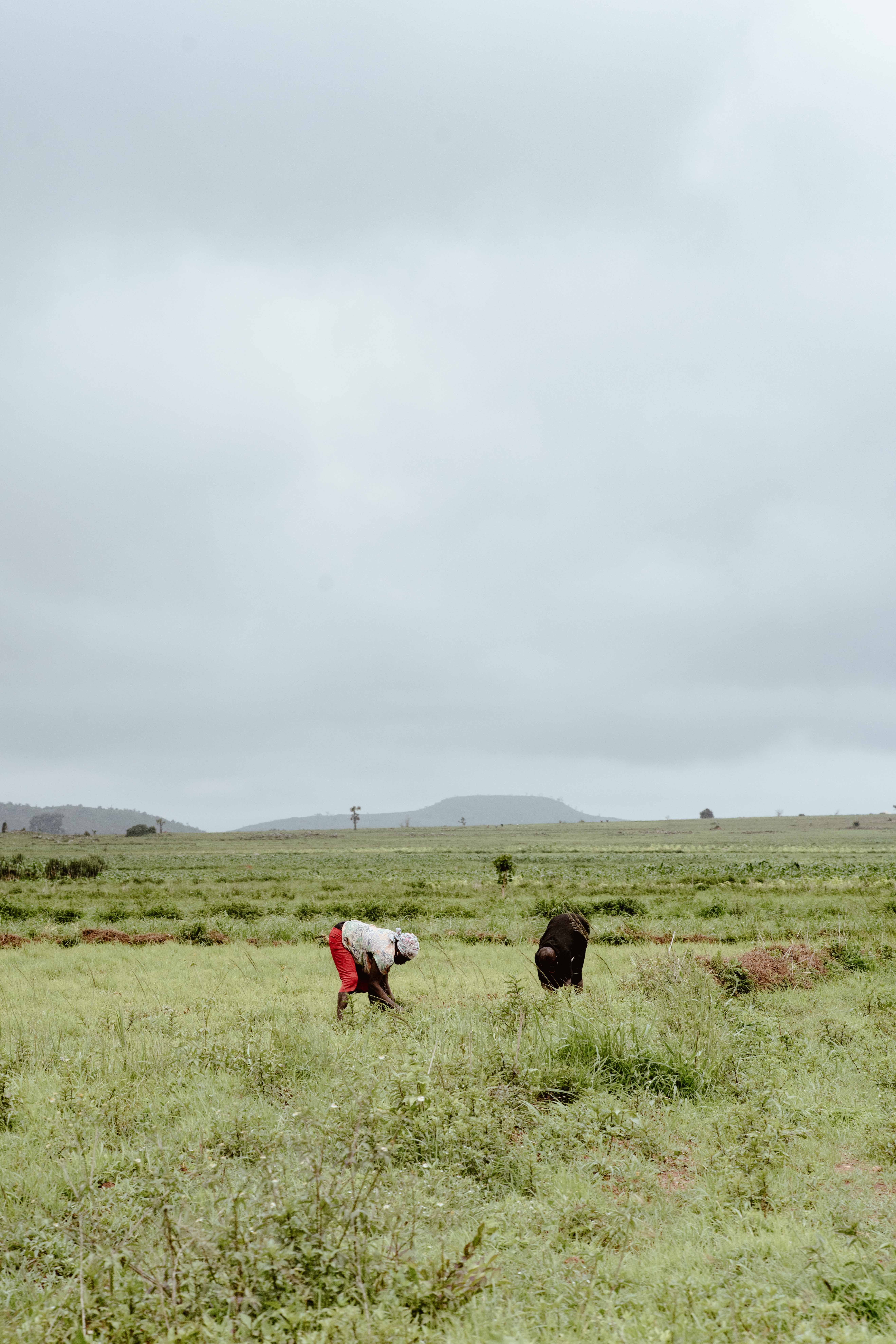
On Saturday afternoon, suspected armed bandits attacked a farming community in Rinyan village, located within the Tahoss community of Riyom Local Government Area in Plateau State. The assailants opened fire on farmers working on their land around 3:50 p.m., leading to the death of Mrs. Hudung Luka, a 40-year-old woman. Another victim, Mrs. Ladi Istifanus, aged 50, sustained severe gunshot injuries during the attack and has since been rushed to a medical facility for urgent treatment. The incident was confirmed by Bulus Rop, a member of the affected community.
WHO ARE THE KEY PLAYERS
**Mrs. Hudung Luka**, 40, was a local farmer from Rinyan village, Tahoss community, whose life was tragically cut short by the armed bandits. She represents the many ordinary citizens in rural Nigeria whose livelihoods and lives are constantly threatened by insecurity.
**Mrs. Ladi Istifanus**, 50, also a farmer from the same community, survived the attack but sustained significant gunshot wounds, highlighting the physical and psychological toll such violence inflicts on survivors.
**Bulus Rop** is a community member from Rinyan village who confirmed the attack, acting as a crucial local source for information regarding the incident.
**Suspected Armed Bandits** refer to the unidentified criminal groups responsible for the attack. These groups, often heavily armed, engage in various illicit activities including kidnapping for ransom, cattle rustling, and direct assaults on communities, particularly in Nigeria's North-West and North-Central geopolitical zones.
UNDERSTANDING THE LOCATION
**Rinyan village** is a rural settlement situated within the **Tahoss community**, both located in the **Riyom Local Government Area** of **Plateau State**. Plateau State is one of Nigeria's 36 states, found in the North-Central geopolitical zone, often referred to as the Middle Belt. This region is predominantly agrarian, meaning farming is the primary occupation for many residents. Historically, Plateau State has experienced complex and protracted ethno-religious and resource-based conflicts, frequently manifesting as clashes between farming communities and pastoralists, or more recently, as attacks by armed bandit groups.
BACKGROUND AND CONTEXT
The North-Central region of Nigeria, including Plateau State, has been a flashpoint for insecurity for several years. What began largely as farmer-herder clashes over land and grazing routes has evolved into a more complex crisis involving armed banditry, kidnapping, and communal violence. These attacks often target vulnerable rural communities, disrupting farming activities, displacing populations, and claiming countless lives. Despite efforts by the Nigerian military and police, the vastness of the terrain and the elusive nature of the attackers make comprehensive security a significant challenge. The economic hardship faced by many Nigerians, coupled with access to illegal arms, further exacerbates the problem, turning once peaceful farming communities into zones of frequent conflict.
EXPLAINING IMPORTANT REFERENCES
The term “armed bandits” in the Nigerian context refers to highly organized criminal groups, often operating from forests and remote areas, who use sophisticated weapons to carry out attacks. Unlike traditional farmer-herder clashes which often involve specific grievances over land or cattle, these bandits engage in indiscriminate violence, extortion, and abductions, making them a significant threat to national security and rural livelihoods. Their motives can range from financial gain through kidnapping to territorial control and revenge, making it a multifaceted challenge for security agencies.
IMPACT ANALYSIS
The immediate impact of this attack is the tragic loss of a life and severe injury to another, inflicting profound grief and trauma on the affected families and the entire Rinyan community. Beyond the human toll, such incidents have a devastating effect on food security, as farmers are increasingly afraid to access their farmlands. This fear reduces agricultural output, which can lead to higher food prices in local markets and across the geopolitical zone, impacting the average Nigerian's ability to afford basic foodstuffs. The psychological scars left on survivors and witnesses, particularly children, can be long-lasting, eroding trust in community safety and government protection. Furthermore, these attacks often lead to internal displacement, as residents flee their homes for safer areas, creating humanitarian challenges.
WHAT HAPPENS NEXT
Following this attack, it is expected that security agencies will launch an investigation into the incident, though successful arrests and prosecutions in such cases remain a significant challenge. Local community leaders will likely renew calls on the Plateau State Government and the Federal Government to deploy more security personnel and implement more effective strategies to protect rural communities. There may also be increased vigilance and self-organizing among community members, though this can sometimes lead to further cycles of violence if not properly managed. The injured victim, Mrs. Ladi Istifanus, will require extensive medical care and support for her recovery. The broader expectation is for a more robust and sustainable security framework to be established across the North-Central zone to prevent future occurrences.
HERO PERSPECTIVE
Leverage On Heroes Media is taking the editorial angle that the resilience and steadfastness of Nigeria's farming communities, despite relentless insecurity, embody a quiet heroism. We believe it is imperative to highlight not just the tragedy of these attacks, but the courage of those who continue to cultivate our land, feeding the nation against immense odds. Our focus is on amplifying the voices of these forgotten heroes, advocating for their protection, and ensuring that their contributions to national sustenance are recognized and secured. True heroes are not always in uniform; often, they are the ones tilling the soil under threat, striving for a better tomorrow.
CLOSING
The attack in Riyom Local Government Area is a stark reminder of the pervasive insecurity threatening the lives and livelihoods of ordinary Nigerians, particularly those in agrarian communities. As investigations commence and calls for justice and protection intensify, the nation must reflect on the profound cost of unchecked violence and redouble efforts to secure peace and stability for all its citizens, ensuring that those who feed us can do so without fear.