
HEADLINE
UK-Based Lawyer Initiates Renunciation of Nigerian Citizenship, Citing Judicial System Woes
OPENING HOOK
The fundamental right of citizenship is a cornerstone of national identity, yet for some, the challenges within their homeland can lead to the difficult decision of severing those ties. This is the stark reality emerging as a Nigerian legal practitioner based in the United Kingdom takes formal steps to renounce his Nigerian citizenship, pointing to profound concerns regarding the country's judicial system.
WHAT HAPPENED
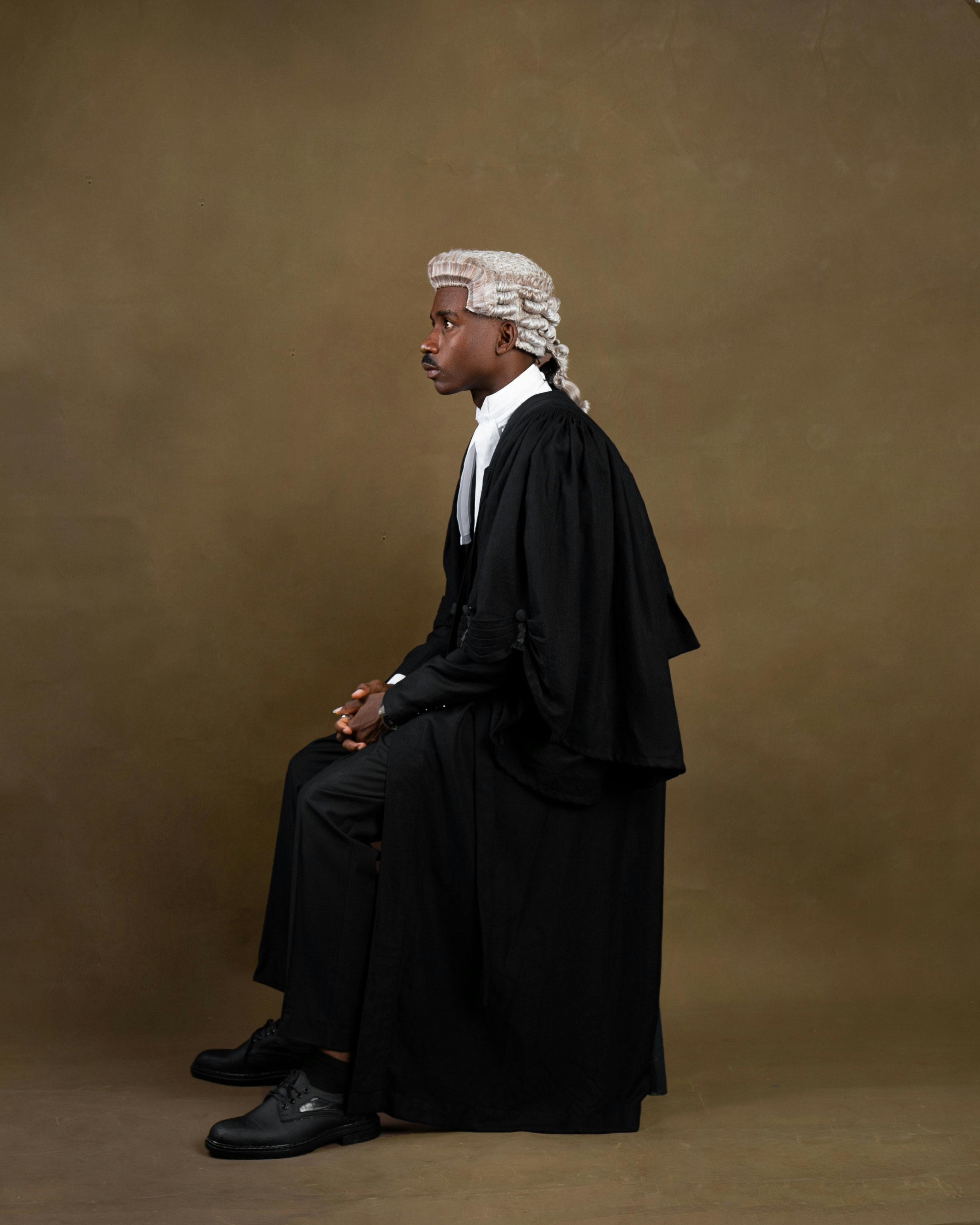
Baron Chymaker, a Nigerian lawyer practicing in the United Kingdom, has officially begun the legal process to renounce his Nigerian citizenship. His decision, as publicly articulated, stems from a deep-seated dissatisfaction with the state and functionality of Nigeria's judicial system, which he described as failing to uphold justice and fairness for its citizens. This move marks a significant personal and public statement about the perceived integrity and effectiveness of a core institution of the Nigerian state.
WHO ARE THE KEY PLAYERS
**Baron Chymaker:** The central figure in this report, Mr. Chymaker is a Nigerian-born legal professional currently based in the United Kingdom. His decision to renounce his citizenship casts a spotlight on his personal grievances with the Nigerian judicial system and potentially reflects the sentiments of some in the Nigerian diaspora.
**The Nigerian Judicial System:** This encompasses the courts, judges, legal practitioners, and the entire framework of laws and processes designed to administer justice in Nigeria. It is the institution at the heart of Mr. Chymaker's concerns, facing scrutiny over issues of efficiency, independence, and public trust.
**The Nigerian Government (specifically the Ministry of Interior):** This government body is responsible for matters of citizenship, immigration, and national identity. It is the entity to which Mr. Chymaker's application for renunciation would be directed and processed, following constitutional and legal provisions.
UNDERSTANDING THE LOCATION
This story involves two primary geographical contexts: **Nigeria**, the West African nation from which Baron Chymaker originates and whose judicial system is the subject of his protest; and the **United Kingdom**, where Mr. Chymaker currently resides and practices law. The UK is a major hub for the Nigerian diaspora, with many Nigerians living, working, and studying there, often maintaining strong ties to their homeland while also observing its developments from afar.
BACKGROUND AND CONTEXT
Nigeria's judicial system, established through a blend of common law, customary law, and Islamic law, has historically faced numerous challenges. Over decades, concerns have been raised regarding delays in justice delivery, case backlogs, allegations of corruption, and issues around judicial independence. These challenges often lead to a loss of public confidence and can impact both local and international perceptions of Nigeria's rule of law. The Nigerian Constitution (Chapter III, Section 29) outlines provisions for citizenship and its renunciation, requiring a formal declaration by an adult of sound mind. While individuals have the right to renounce citizenship, such actions, especially by professionals like lawyers, often serve as potent symbols of protest or disillusionment with national affairs. This particular act also highlights the ongoing 'brain drain' phenomenon, where skilled Nigerians abroad may feel compelled to distance themselves from their country of origin due to systemic issues.
EXPLAINING IMPORTANT REFERENCES
**Renouncing Nigerian Citizenship:** This is the formal legal process by which an individual voluntarily gives up their nationality as a Nigerian citizen. It involves making a formal declaration to the Nigerian government, typically through the Ministry of Interior, and fulfilling specific constitutional and administrative requirements. Once completed, the individual would no longer hold Nigerian citizenship, losing associated rights and responsibilities. It is a significant and often irreversible step.
**Judicial System:** In simple Nigerian English, this refers to all the courts, judges, and legal practitioners, from the Magistrate Courts to the Supreme Court, whose job it is to interpret and apply the laws of the land. They are meant to ensure that everyone gets fair hearing and justice, whether in civil disputes or criminal cases. When people talk about 'judicial system woes,' they are often referring to problems like slow court processes, bribery allegations, or judgments that seem unfair.
IMPACT ANALYSIS
Baron Chymaker's decision carries several implications. Firstly, it adds to the growing narrative of disillusionment among some Nigerians, particularly those in the diaspora, concerning governance and institutional integrity. For the legal profession, it represents a public critique from within its ranks, potentially prompting introspection on the state of justice delivery. Economically, such high-profile renunciations, though rare, can subtly impact Nigeria's image as a destination for investment, as a strong judicial system is crucial for contract enforcement and investor confidence. Psychologically, it might resonate with other Nigerians facing similar frustrations, potentially encouraging broader discussions about accountability and reform within critical state institutions. It also underscores the 'japa' (emigration) trend, where not just individuals but even their citizenship ties are being severed.
WHAT HAPPENS NEXT
Mr. Chymaker's application will now proceed through the formal channels of the Nigerian Ministry of Interior. This process typically involves verification of his identity and eligibility, followed by administrative review. While the specific timeline can vary, it is a legal and bureaucratic process that must be followed. Beyond the administrative steps, this event is likely to spark further public discourse, particularly on social media and among diaspora communities, regarding judicial reform and the responsibilities of government in fostering national pride and confidence. There may also be calls from civil society organizations and legal bodies for the government to address the underlying issues that drive such extreme decisions.
HERO PERSPECTIVE
Leverage On Heroes Media views this development as a poignant call for judicial introspection and reform. While individual choices on citizenship are personal, when such decisions are publicly linked to the perceived failure of a vital national institution like the judiciary, it demands immediate and serious attention. Our editorial stance is that the integrity of the judicial system is non-negotiable for national development and democratic stability. This incident serves as a stark reminder that the government must not only uphold the rule of law but actively work to restore public confidence in its institutions, ensuring that every Nigerian, home or abroad, can trust in the promise of justice.
CLOSING
As Baron Chymaker embarks on this significant personal journey, his actions undeniably cast a critical spotlight on the ongoing challenges within Nigeria's justice system. The implications extend beyond a single individual, prompting a necessary conversation about institutional reform and the collective responsibility to build a nation where trust in justice is not merely an aspiration, but a lived reality for all citizens.