
HEADLINE
Utah Regulators Shut Down Provo Canyon School Following Abuse Allegations by Paris Hilton and Survivors
OPENING HOOK
The closure of Provo Canyon School in Utah marks a significant moment for advocates and survivors of institutional abuse, underscoring the enduring power of personal testimony to drive systemic change within the controversial 'troubled teen' industry.
WHAT HAPPENED
Utah state regulators have officially revoked the operating license of Provo Canyon School, a residential treatment facility that has been a subject of intense scrutiny for decades. The decision came after the Utah Department of Human Services identified multiple critical health and safety violations within the institution. This action follows years of persistent advocacy, notably by heiress and businesswoman Paris Hilton, who publicly shared her experiences of alleged abuse at the facility in the late 1990s, galvanizing a movement of fellow survivors seeking accountability.
WHO ARE THE KEY PLAYERS
**Provo Canyon School:** Founded in 1971, this was a private residential treatment center located in Provo, Utah, designed to provide therapeutic and educational services for adolescents struggling with behavioral and mental health issues. It operated under the umbrella of Universal Health Services (UHS) for a period, though UHS stated it sold the facility in 2022.
**Paris Hilton:** A prominent American heiress, socialite, businesswoman, and media personality. Hilton became a vocal advocate against institutional abuse after detailing her alleged experiences at Provo Canyon School in her 2020 documentary, "This Is Paris," and through subsequent legislative efforts.
**Utah Department of Human Services:** This is the primary state agency responsible for overseeing and licensing various human services facilities, including residential treatment centers, in Utah. Their role includes conducting inspections and enforcing regulatory standards to ensure the safety and well-being of individuals in care.
**Survivors and Advocates:** A collective of former residents of Provo Canyon School and similar institutions who have come forward with allegations of abuse, neglect, and mistreatment. Organizations like "Breaking Code Silence" have been instrumental in amplifying their voices and pushing for reforms.
UNDERSTANDING THE LOCATION
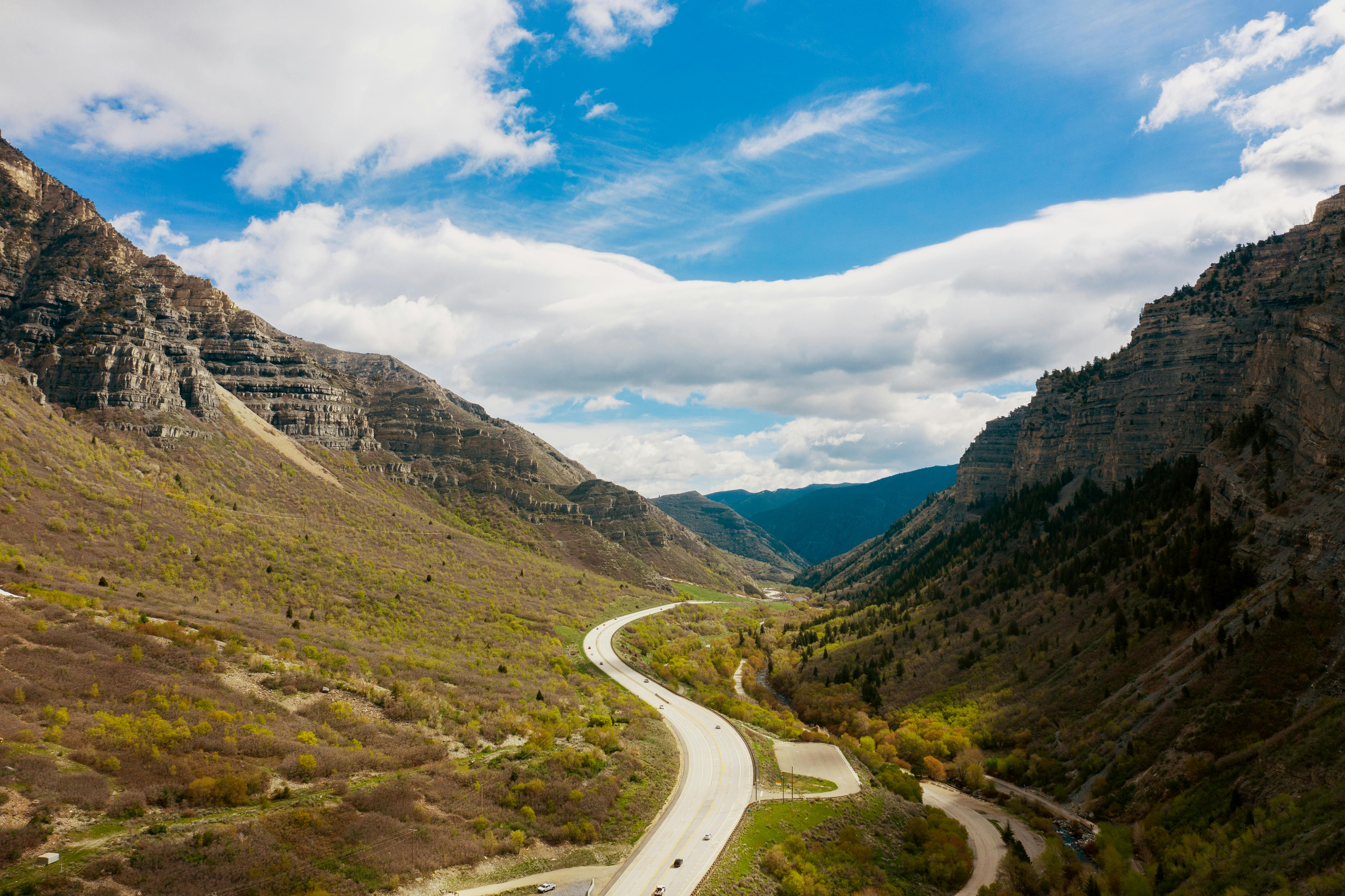
Provo Canyon School was situated in **Provo, Utah**, a city located about 45 miles south of Salt Lake City. Utah, a state in the western United States, has historically been a hub for the 'troubled teen industry,' with a high concentration of residential treatment centers for youth. The mountainous terrain and relatively isolated settings of places like Provo Canyon have often been chosen for these facilities, sometimes leading to reduced external oversight and increasing vulnerability for residents.
BACKGROUND AND CONTEXT
The 'troubled teen industry' in the United States has a long and often contentious history, dating back to the mid-20th century. These facilities, promising rehabilitation for adolescents with behavioral problems, have frequently faced allegations of abuse, neglect, and employing questionable therapeutic practices. Provo Canyon School gained notoriety following Paris Hilton's public testimony, which shed light on the alleged systemic issues within the institution, including solitary confinement, forced medication, and physical and emotional abuse. Her efforts, alongside those of other survivors, brought renewed national attention to the need for greater regulation and oversight of such programs, leading to legislative debates in several states and at the federal level.
EXPLAINING IMPORTANT REFERENCES
**Residential Treatment Centers (RTCs):** These are live-in facilities offering structured therapeutic environments for young people with significant emotional, behavioral, or psychiatric challenges. They are meant to provide intensive care away from a child's home environment, combining therapy, education, and daily living skills. However, the industry has long been criticized for a lack of transparency and insufficient oversight.
**Health and Safety Violations:** In the context of an RTC, these refer to breaches of established regulations designed to protect residents. This can include inadequate staff-to-resident ratios, unsanitary living conditions, insufficient medical care, improper handling of medications, failure to report abuse, use of excessive force, or neglect of basic needs. Such violations often indicate a systemic failure to provide a safe and therapeutic environment.
**License Revocation:** This is the most severe regulatory action a state can take against a licensed facility. It means the facility is no longer legally permitted to operate and must cease all services. It typically occurs after repeated or severe violations that demonstrate a facility's inability or unwillingness to meet state standards and ensure the safety of its residents.
IMPACT ANALYSIS
The closure of Provo Canyon School sends a clear message about accountability within the 'troubled teen' industry. For survivors, it represents a significant victory and a measure of vindication, potentially offering a sense of closure and justice after years of pain. For the industry itself, it escalates pressure for greater transparency, stricter regulations, and more ethical treatment practices nationwide. State regulators may face increased scrutiny to enhance oversight and respond more proactively to allegations. Paris Hilton's advocacy is further validated, cementing her role as a powerful voice for institutional reform and child protection.
WHAT HAPPENS NEXT
With its license revoked, Provo Canyon School will no longer operate as a residential treatment facility. The immediate focus will be on ensuring any remaining residents are safely transitioned to alternative care or returned to their families, though the facility reportedly sold its property in 2022 and its operational status was already in question. Further legal actions, including civil lawsuits by survivors, may follow. Legislatively, this event is likely to fuel ongoing efforts in Utah and other states to enact stronger laws governing youth residential programs, demanding better reporting mechanisms and stricter enforcement of standards. Advocacy groups will continue to monitor the industry, pushing for national reforms.
HERO PERSPECTIVE
Leverage On Heroes Media views the shutdown of Provo Canyon School as a critical triumph for justice and a testament to the courage of survivors. Our editorial angle emphasizes that accountability for institutional abuse is non-negotiable, and the voices of those who have suffered must be heard and acted upon. This case highlights the power of sustained advocacy to dismantle systems of harm and underscores our commitment to reporting on stories that empower the vulnerable and challenge the status quo, ensuring that no child's cry for help goes unanswered.
CLOSING
The closure of Provo Canyon School stands as a powerful reminder that vigilance and advocacy are essential in protecting vulnerable populations. It reinforces the hope that through collective action and unwavering determination, systemic change is not only possible but imperative for a more just society.