
HEADLINE
Amazon's Indigenous Cultures and Ecosystems Face Catastrophic Loss Amidst Climate Crisis, Study Reveals
OPENING HOOK
The Amazon rainforest, often called the 'lungs of the Earth,' is not just a biological treasure trove but also a vibrant cultural epicentre. It is home to hundreds of Indigenous communities whose survival and unique knowledge systems are now gravely endangered by the twin crises of climate change and language erosion, a new scientific study confirms.
WHAT HAPPENED
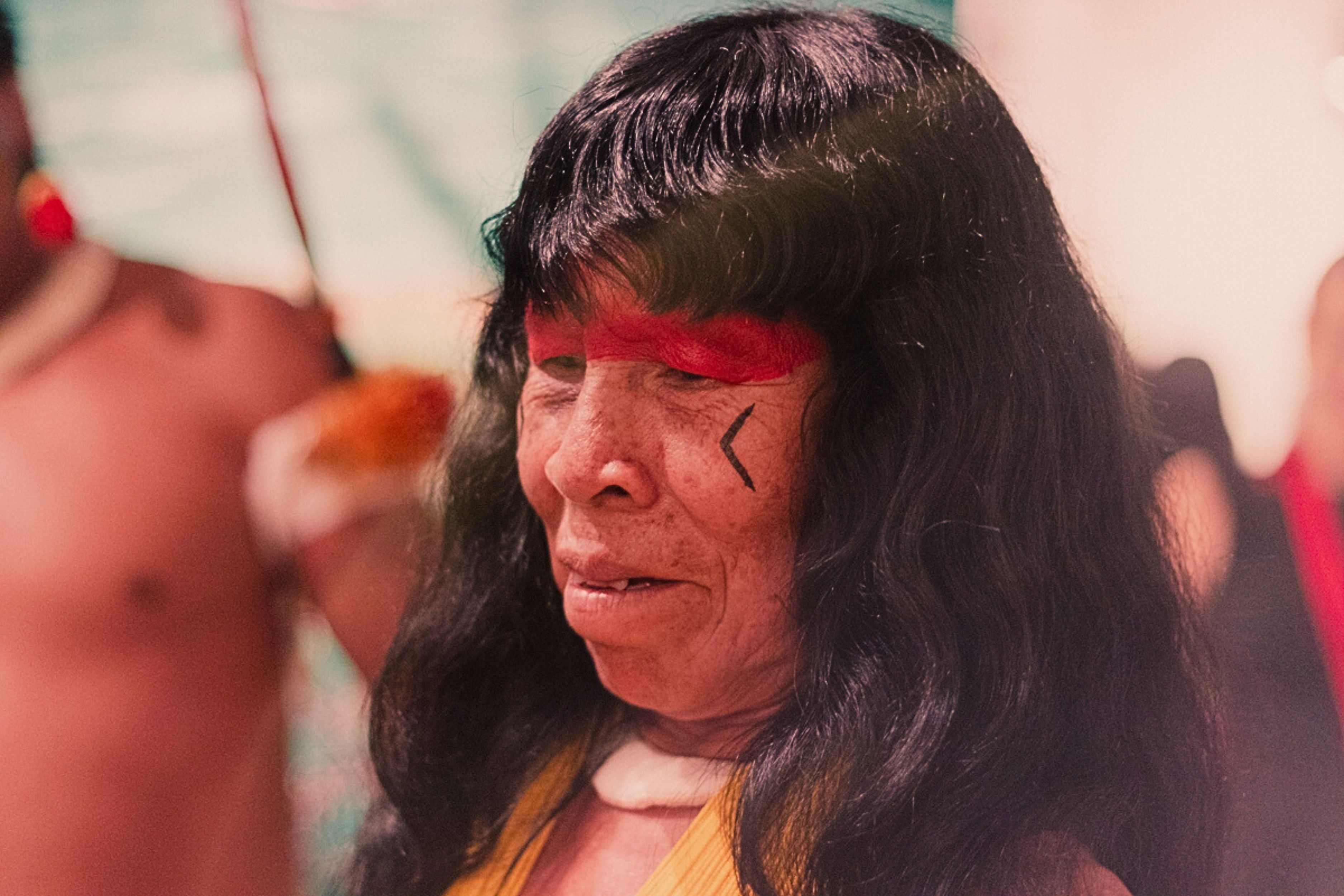
A groundbreaking study by the University of Zurich (UZH) has provided the first reliable scientific data quantifying the severe cultural and ecological loss facing Indigenous peoples in the Amazon. This research reveals how the combined pressures of a changing climate and the decline of native languages are eroding thousands of years of traditional knowledge about rainforest plants, a critical 'living library' passed down through generations.
WHO ARE THE KEY PLAYERS
**Indigenous Peoples of the Amazon:** These are the original inhabitants of the Amazon basin, comprising over 400 distinct ethnic groups, each with unique languages, cultures, and profound connections to their ancestral lands. They possess an unparalleled understanding of the rainforest's biodiversity and sustainable living practices.
**University of Zurich (UZH):** Located in Switzerland, the University of Zurich is one of Europe's leading research institutions. Its researchers conducted this pivotal study, bringing scientific rigour to the assessment of cultural and ecological impacts in the Amazon.
UNDERSTANDING THE LOCATION
The **Amazon region** is a vast tropical rainforest and river basin primarily located in South America, spanning parts of Brazil, Peru, Ecuador, Colombia, Venezuela, Bolivia, Guyana, Suriname, and French Guiana. It is the largest rainforest on Earth, playing a critical role in global climate regulation by absorbing vast amounts of carbon dioxide. Its incredible biodiversity includes millions of species of plants, animals, and insects, many of which are found nowhere else in the world. For the Indigenous communities, the Amazon is not merely a place but a living entity, central to their identity, spirituality, and sustenance.
BACKGROUND AND CONTEXT
For millennia, Indigenous communities in the Amazon have developed an intricate understanding of their environment, particularly the thousands of plant species within the rainforest. This knowledge, which includes medicinal uses, food sources, and sustainable agricultural practices, is primarily transmitted through **oral tradition**. This means it is passed verbally from elders, parents, and other family members to children, forming a dynamic, continuously evolving 'living library of knowledge.' Historically, the isolation of many groups helped preserve these traditions. However, external pressures, including deforestation, resource extraction, and the encroachment of modern society, have led to significant language loss, disrupting this vital intergenerational transfer of knowledge. The added stress of **climate change**, with its unpredictable weather patterns, altered growing seasons, and increased frequency of extreme events, directly impacts the very plants these communities rely on, further jeopardising their cultural heritage and survival.
EXPLAINING IMPORTANT REFERENCES
**Indigenous Peoples:** These are the descendants of those who inhabited a country or geographical region at the time when people of different cultures or ethnic origins arrived. They often have distinct social, economic, and political systems, languages, and cultures, and a deep connection to their ancestral lands and resources.
**Ecosystem:** An ecosystem is a biological community of interacting organisms and their physical environment. The Amazon rainforest is a complex and vital ecosystem, where every component, from the smallest insect to the largest tree, plays a role in maintaining its balance and health.
**Oral Tradition:** This refers to forms of communication where knowledge, art, ideas, and cultural material are received, preserved, and transmitted verbally from one generation to another. It is a cornerstone of Indigenous cultures, embodying their history, values, and practical skills.
**Climate Change:** This refers to long-term shifts in temperatures and weather patterns, primarily caused by human activities, especially the burning of fossil fuels, which releases heat-trapping gases into the atmosphere. In the Amazon, its effects include altered rainfall patterns, increased temperatures, and more frequent droughts and floods, impacting both biodiversity and human livelihoods.
IMPACT ANALYSIS
The findings from the University of Zurich study underscore a profound and multifaceted crisis. The loss of Indigenous languages directly correlates with the erosion of unique ecological knowledge, as traditional plant names, uses, and stories are often embedded within these languages. This means that as a language disappears, centuries of wisdom regarding the rainforest's flora—its medicinal properties, nutritional value, and ecological roles—are lost forever. This isn't just a cultural tragedy; it's a significant setback for global biodiversity and potential scientific discovery. Many modern medicines and sustainable practices have roots in Indigenous knowledge. Furthermore, climate change exacerbates this by altering the very environment these communities know and depend on. Changes in rainfall, temperature, and habitat threaten the existence of specific plant species, disrupting traditional livelihoods and food security. The combined effect creates a vicious cycle: as the environment changes, traditional knowledge becomes harder to apply, and as knowledge is lost, communities are less equipped to adapt to environmental shifts. This has serious implications for the resilience of the Amazonian ecosystem and, by extension, global ecological balance.
WHAT HAPPENS NEXT
This study serves as a critical call to action for international bodies, governments, and conservation organisations. Moving forward, there is an urgent need for concerted efforts to support Indigenous communities in preserving their languages and traditional knowledge. This could involve funding language revitalisation programmes, documenting traditional ecological knowledge in partnership with elders, and empowering Indigenous groups to lead conservation initiatives on their ancestral lands. Policy interventions must also address the root causes of climate change and deforestation, strengthening land rights for Indigenous peoples, who are proven guardians of the forest. Further research will likely focus on developing sustainable adaptation strategies that integrate both scientific and traditional knowledge to build resilience against climate impacts. Without immediate and decisive action, humanity risks losing not only irreplaceable cultural heritage but also vital insights into sustainable living and biodiversity that could benefit the entire planet.
HERO PERSPECTIVE
Leverage On Heroes Media believes that the plight of Amazon's Indigenous peoples is a stark reminder of our collective responsibility to protect both cultural diversity and the natural world. Their 'living library' of knowledge represents humanity's oldest and most profound connection to sustainable living, offering invaluable lessons for a world grappling with environmental crises. We advocate for immediate global solidarity to empower these communities, support their self-determination, and recognise their indispensable role as stewards of the Amazon. Protecting Indigenous languages and territories is not just an act of justice; it is an investment in the future of our planet.
CLOSING
The intricate tapestry of life and knowledge woven by the Amazon's Indigenous peoples stands at a critical crossroads. The University of Zurich's findings are a sobering testament to the urgent need for global action to safeguard their heritage and the vital ecosystem they call home, ensuring that their wisdom continues to enrich humanity for generations to come.