
HEADLINE
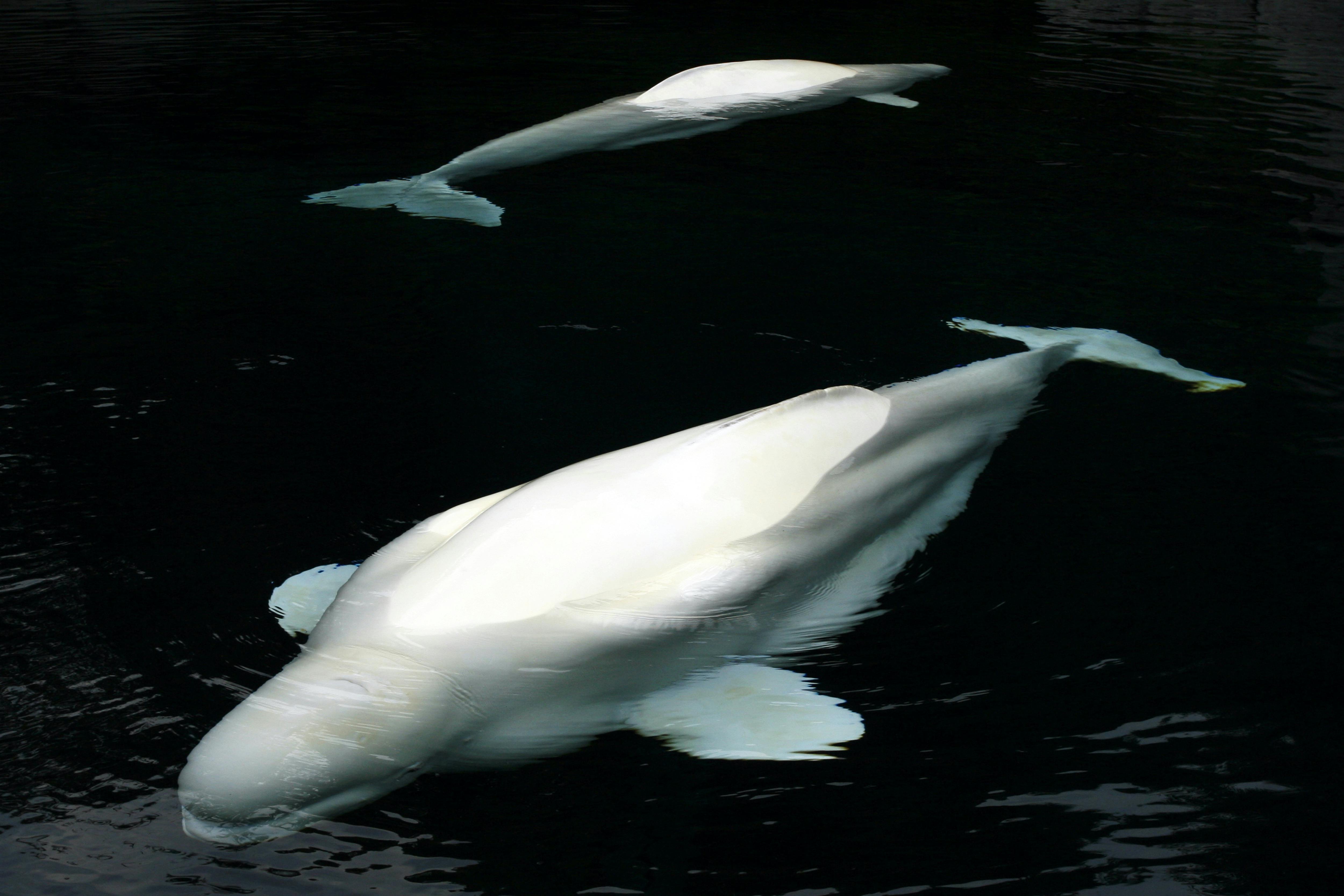
Beluga Whales Relocated from Controversial Canadian Marine Park to US Aquariums
OPENING HOOK
The plight of marine mammals in captivity has long been a subject of intense debate, and a recent development from Canada offers a glimmer of hope for six beluga whales whose future was once shrouded in uncertainty and controversy. After years of advocacy and public scrutiny, these magnificent creatures are now embarking on a new chapter.
WHAT HAPPENED
Six beluga whales have successfully left Marineland, a well-known but embattled marine park located in Niagara Falls, Canada. Their journey concludes a contentious period marked by allegations of substandard animal care and even a chilling threat of euthanasia by the park itself. The whales are currently in transit, making their way to various aquariums across the United States, where they are expected to begin adapting to new environments this week.
WHO ARE THE KEY PLAYERS
**Marineland**: This is a prominent marine mammal park and amusement park situated in Niagara Falls, Ontario, Canada. It has been the subject of numerous animal welfare investigations and public criticism regarding its treatment of marine animals.
**The Beluga Whales**: These are the central figures in this story – six individual beluga whales, a species of toothed whale known for its distinctive white colour and melodious sounds. Their well-being has been at the heart of the protracted dispute.
**Animal Welfare Advocates**: Various animal rights organisations and concerned individuals globally, including groups like Animal Welfare Institute and PETA, have played a crucial role in bringing attention to the conditions at Marineland and pushing for the relocation of its marine inhabitants.
**US Aquariums**: These are the destination facilities in the United States that will now house the beluga whales. While specific institutions are not detailed in the initial report, they typically operate under different regulatory frameworks and often boast more modern facilities compared to older marine parks.
UNDERSTANDING THE LOCATION
Marineland is located in **Niagara Falls, Ontario, Canada**. Niagara Falls is a globally renowned natural wonder, famous for its powerful waterfalls, attracting millions of tourists annually. The presence of a large marine park in such a high-profile tourist destination has historically amplified public attention on its operations and animal welfare practices. Canada, as a nation, has also seen evolving legislation concerning animal captivity, including a 2019 law, Bill S-203, which banned the captivity and breeding of whales and dolphins, though with exceptions for animals already held or those undergoing rehabilitation.
BACKGROUND AND CONTEXT
The saga surrounding Marineland's beluga whales dates back several years, characterised by persistent allegations of neglect and inadequate living conditions for its marine mammals. The park has faced investigations by the Ontario Society for the Prevention of Cruelty to Animals (OSPCA) and subsequent charges under provincial animal welfare laws. A particularly alarming moment in this history was Marineland's public threat to euthanise its beluga whales if they were not permitted to be moved, citing overpopulation and facility constraints. This threat ignited widespread outrage and intensified calls from animal welfare groups for intervention. The current transfer represents a culmination of years of legal battles, public pressure, and advocacy aimed at securing a better future for these specific animals.
EXPLAINING IMPORTANT REFERENCES
**Beluga Whales**: These are medium-sized toothed whales, typically found in Arctic and sub-Arctic waters. They are highly social, intelligent, and known for their unique white coloration as adults and their varied vocalizations, earning them the nickname 'sea canaries'. In captivity, their complex social and environmental needs are often difficult to meet.
**Marine Park**: A marine park, or oceanarium, is a commercial enterprise that features marine animals, often dolphins, whales, seals, and sea lions, in large tanks for public display and entertainment. While some also engage in research and conservation, their primary function often involves animal performances and public viewing.
**Euthanasia**: This term refers to the practice of intentionally ending a life to relieve pain and suffering. In the context of animals, it is typically performed by a veterinarian using humane methods. Marineland's threat of euthanasia, however, was framed as a solution to logistical challenges rather than solely for the animals' welfare, sparking significant ethical concerns.
IMPACT ANALYSIS
The relocation of these beluga whales carries significant implications. For the animals themselves, it offers a potential improvement in living conditions, moving them from a facility that has faced severe criticism to environments that are, by all accounts, considered superior. However, animal advocates caution that while an improvement, it still represents continued captivity, which inherently presents challenges for highly migratory and social creatures. The stress of transportation, adaptation to new tanks, and integration with new social groups will be critical phases to monitor.
More broadly, this event reinforces the growing global pressure against keeping highly intelligent marine mammals in captivity for entertainment. It highlights the power of sustained advocacy and public awareness in influencing the fate of captive animals. It also prompts deeper discussions within the zoological community about the ethical responsibilities of housing such species and the role of aquariums in conservation versus entertainment.
WHAT HAPPENS NEXT
Upon arrival at their designated US aquariums, the beluga whales will undergo a period of acclimatisation. This involves careful monitoring by veterinary teams and marine biologists to ensure they adjust well to their new surroundings, diet, and any new social groups. Their health and behaviour will be closely observed for signs of stress or adaptation issues. Meanwhile, the future of Marineland itself, particularly regarding its remaining marine mammal collection, will likely continue to be under scrutiny. This transfer may also encourage further legislative reviews in Canada and other nations concerning the welfare standards for captive marine life.
HERO PERSPECTIVE
Leverage On Heroes Media views this development as a testament to the persistent voice of advocacy and the evolving understanding of animal welfare. While celebrating the immediate relief for these six beluga whales, we underscore that true heroism lies in striving for a future where the inherent needs and natural habitats of all creatures are respected, moving beyond mere survival in captivity towards thriving in their natural ecosystems. This event serves as a powerful reminder that the fight for ethical animal treatment is a continuous journey, demanding vigilance and compassion.
CLOSING
The journey of these six beluga whales from a controversial Canadian park to new homes in the US marks a significant, albeit complex, victory for animal welfare. As they settle into their new environments, the broader conversation about marine mammal captivity, ethical responsibility, and the power of collective advocacy will undoubtedly continue to resonate across the globe.