
HEADLINE
Deadly Wildfires Claim 12 Lives in Southern Spain Amid Escalating Heatwave Crisis
OPENING HOOK
The serene landscapes of Southern Spain have been marred by tragedy, as an aggressive wildfire, fueled by an unrelenting heatwave, has claimed the lives of 12 individuals. This grim development underscores the severe environmental and human cost of extreme weather events gripping parts of Europe.
WHAT HAPPENED
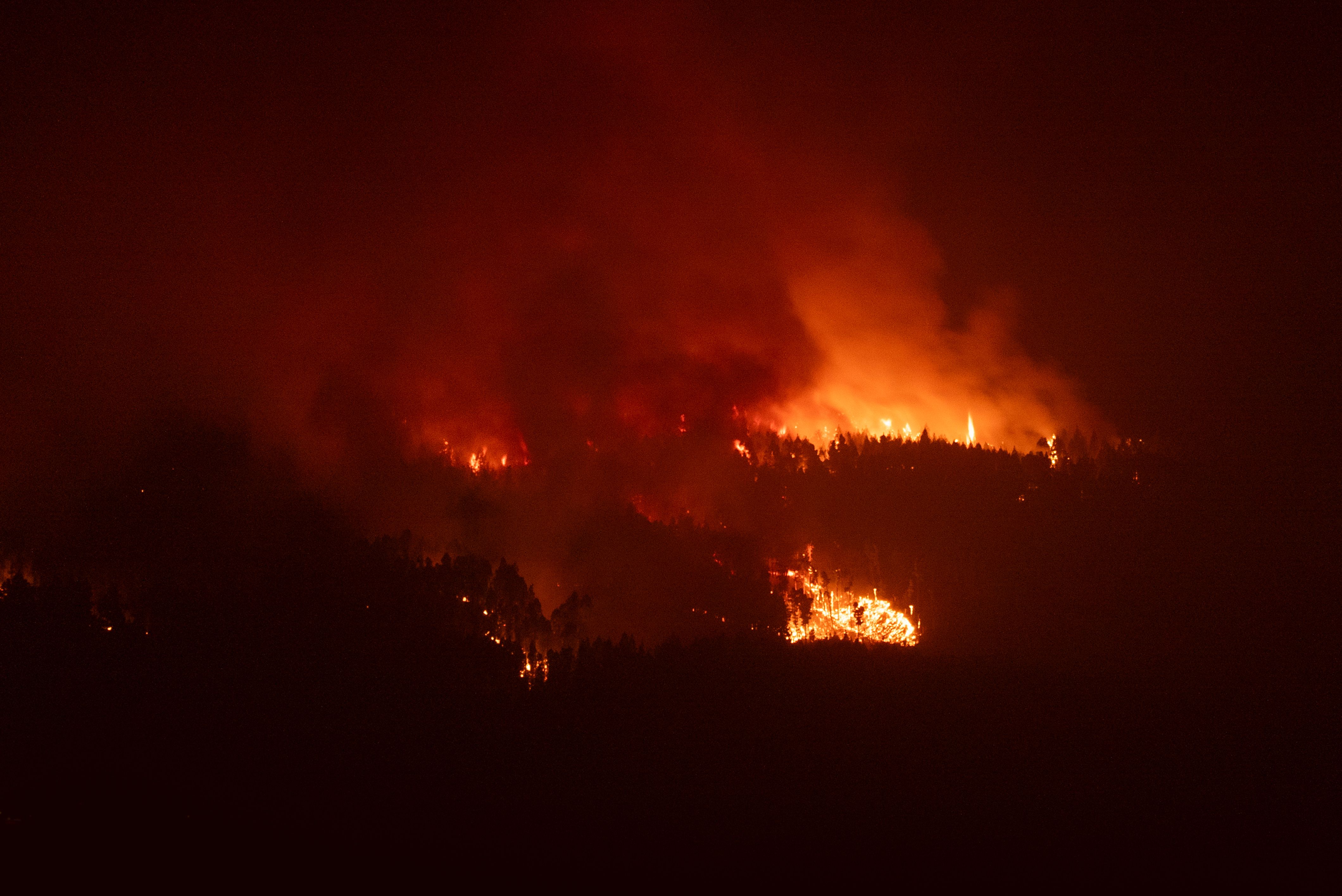
Tragedy struck in Almeria, a province in southern Spain, where a wildfire in the municipality of Los Gallardos has reportedly killed 12 people. The regional government of Andalusia confirmed the rising death toll, stating that six additional fatalities brought the total to a dozen. Approximately 150 firefighters have been deployed, working tirelessly to contain the blaze which ignited amidst soaring temperatures, prompting an 'orange weather warning' – indicating significant risk – across the affected areas.
WHO ARE THE KEY PLAYERS
The primary entities involved in this unfolding crisis include the **Andalusia regional government**, which has been responsible for coordinating emergency responses and confirming the casualty figures. **Firefighters and emergency services personnel** from various agencies are the frontline responders, battling the inferno and conducting rescue operations. The **residents of Los Gallardos and surrounding communities** are the directly affected population, facing displacement, loss of property, and the profound grief of losing loved ones.
UNDERSTANDING THE LOCATION
The incident occurred in **Los Gallardos**, a municipality situated in the province of **Almeria**, which is part of the autonomous community of **Andalusia** in southern Spain. Andalusia is the most populous and second-largest autonomous community in Spain, known for its diverse landscapes, Mediterranean climate, and significant tourism industry. Almeria itself is characterized by arid and semi-arid landscapes, making it particularly susceptible to wildfires during hot, dry periods. The region's natural vegetation, including pine forests and scrubland, becomes highly flammable under prolonged heat and drought conditions.
BACKGROUND AND CONTEXT
Spain, particularly its southern regions, is no stranger to wildfires, especially during the summer months. However, in recent years, the frequency, intensity, and destructiveness of these fires have escalated, largely attributed to the effects of climate change. Prolonged periods of high temperatures, known as heatwaves, coupled with reduced rainfall, create tinderbox conditions. The current heatwave, which triggered 'orange weather warnings'—a meteorological alert signifying a high risk to people and property due to extreme weather—has exacerbated the situation, making fire control exceedingly difficult. Historically, Spain has invested heavily in fire prevention and suppression, but the changing climate presents unprecedented challenges.
EXPLAINING IMPORTANT REFERENCES
**Wildfire**: This refers to an uncontrolled fire that burns in wildland vegetation, often in rural areas. They spread rapidly, especially in dry, windy conditions, and can be devastating to ecosystems, property, and human life. **Heatwave**: A prolonged period of excessively hot weather, often accompanied by high humidity. In Spain, heatwaves significantly dry out vegetation, making it highly combustible and increasing the risk of wildfires. **Orange Weather Warning**: Issued by meteorological services, this alert level signifies a significant risk of severe weather phenomena, such as extreme heat, heavy rainfall, or strong winds, which could pose a danger to life and property. It urges the public to be prepared and take precautions. **Andalusia regional government**: This is the autonomous government body responsible for the administration and governance of the Andalusia region, including public services like emergency response, environmental protection, and public health.
IMPACT ANALYSIS
The immediate and most tragic impact is the loss of 12 lives, a profound human cost that will leave an indelible mark on the affected communities. Beyond the human toll, wildfires cause extensive environmental damage, destroying vast tracts of forests, disrupting biodiversity, and releasing significant amounts of carbon dioxide into the atmosphere, contributing to further climate change. Economically, the fires can devastate local agriculture, tourism, and property values. The psychological impact on survivors, first responders, and those who have lost homes or livelihoods is also immense, often leading to long-term trauma. This incident also places a significant strain on emergency services, diverting resources and personnel.
WHAT HAPPENS NEXT
Authorities in Andalusia are expected to launch a comprehensive investigation into the exact cause of the wildfire, a standard procedure following such devastating events. Efforts will continue to fully extinguish the blaze and prevent further spread, with a focus on cooling hot spots and monitoring for reignition. Support systems for the affected families and displaced residents will be crucial, including humanitarian aid and assistance for rebuilding. In the longer term, this tragedy will likely prompt renewed discussions on enhancing fire prevention strategies, improving early warning systems, and strengthening climate change adaptation measures across Spain and other vulnerable European nations.
HERO PERSPECTIVE
Leverage On Heroes Media recognizes the profound courage and sacrifice of the firefighters and emergency personnel who battle these infernos, often risking their own lives to protect others. Their resilience in the face of such overwhelming natural forces is truly heroic. This incident serves as a stark reminder of the urgent need for collective global action on climate change, and for communities to support and empower their frontline heroes who stand between us and environmental catastrophe.
CLOSING
The tragic events in Almeria underscore the escalating global challenge posed by extreme weather. As investigations continue and communities begin the arduous process of healing and rebuilding, the world watches, reminded of the fragility of life and the critical importance of proactive measures against the forces of nature exacerbated by a changing climate.