HEADLINE
Europe's Largest Port Under Legal Pressure to Accelerate Green Transition
OPENING HOOK
The bustling Port of Rotterdam, a cornerstone of European commerce, is now at the center of a significant legal challenge, as environmental groups push for urgent action to reduce its reliance on fossil fuels and mitigate its climate impact.
WHAT HAPPENED
A coalition of environmental organizations has initiated a lawsuit against the Port of Rotterdam, Europe's largest seaport, demanding that it significantly accelerates its efforts to cut greenhouse gas emissions and reduce its deep-seated dependence on the fossil fuel industry. The legal action asserts that the port's current climate plans are insufficient to meet global climate objectives and calls for a more aggressive transition strategy.
WHO ARE THE KEY PLAYERS
The primary entities involved are the **Port of Rotterdam Authority** and the **environmental groups** bringing the lawsuit. The Port of Rotterdam Authority is the governmental body responsible for the management, operation, and development of the port. It plays a dual role as both a commercial enterprise and a public body, balancing economic interests with environmental responsibilities. The specific environmental groups involved typically include prominent national and international non-governmental organizations focused on climate action and environmental protection, such as those advocating for a faster transition away from fossil fuels globally.
UNDERSTANDING THE LOCATION
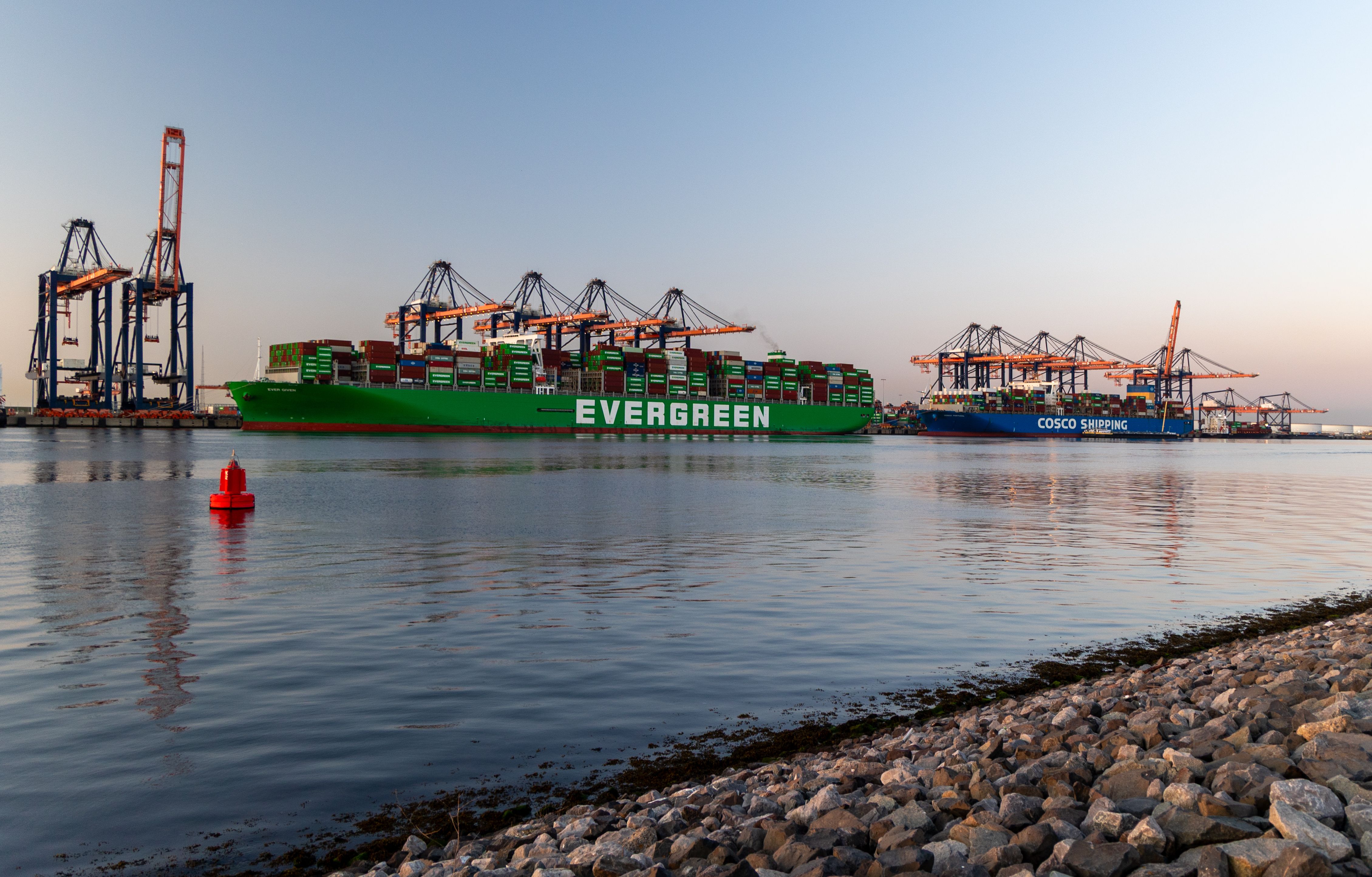
**Rotterdam** is a major city in the Netherlands, a country located in Western Europe. Its port is not just the largest in Europe but also one of the busiest in the world, serving as a gateway for goods entering and leaving the continent. For context, imagine a port far larger and more complex than Nigeria's Apapa or Tin Can Island ports in Lagos, handling vast quantities of crude oil, refined petroleum products (like petrol or PMS), coal, and natural gas, alongside millions of shipping containers. Its strategic location on the North Sea and at the mouth of the Rhine-Meuse-Scheldt delta makes it crucial for international trade and energy supply chains.
BACKGROUND AND CONTEXT
The Port of Rotterdam has historically been a major hub for the fossil fuel industry, with extensive infrastructure for importing, refining, and distributing crude oil, natural gas, and coal. This deep integration means a significant portion of its revenue and activity is tied to these energy sources. However, as global awareness of climate change has grown, there's increasing pressure on major industrial players, including ports, to reduce their carbon footprint. The Paris Agreement, an international treaty on climate change adopted in 2015, commits signatory nations, including the Netherlands, to substantially reduce global greenhouse gas emissions to limit global temperature increase. This lawsuit reflects a growing trend where legal action is used to compel corporations and public bodies to align their operations with these national and international climate commitments. Similar pressure is felt in Nigeria, where discussions around gas flaring and transitioning to cleaner energy sources are ongoing, albeit with different economic realities.
EXPLAINING IMPORTANT REFERENCES
**Fossil fuels** are naturally occurring energy sources like crude oil, natural gas, and coal. They are formed from the remains of ancient plants and animals over millions of years and are burned to produce energy for electricity, transportation, and industry. Burning them releases **greenhouse gases**, primarily carbon dioxide, which trap heat in the Earth's atmosphere, leading to global warming and climate change. **Climate targets** are specific goals set by countries and international bodies, often expressed as percentages, to reduce greenhouse gas emissions by a certain date. For instance, a target might be to cut emissions by 50% by 2030 compared to 2005 levels. Meeting these targets is crucial to avoid the most severe impacts of climate change, such as extreme weather events, rising sea levels, and disruptions to agriculture. The lawsuit aims to ensure the Port of Rotterdam's actions align with these critical environmental objectives.
IMPACT ANALYSIS
This lawsuit could set a significant precedent for other major ports and industrial complexes globally, including those in Nigeria. If successful, it could force the Port of Rotterdam to divest from fossil fuel-related activities more rapidly, invest heavily in renewable energy infrastructure, and transition to greener logistics. This would have substantial economic implications for the port and its tenants, potentially leading to job shifts, new investment opportunities in green technologies, and altered trade flows. For countries like Nigeria, which are heavily reliant on oil and gas exports, such legal pressures on international hubs could signal a future where demand for fossil fuels diminishes, necessitating a faster diversification of their economies. The case highlights the growing legal and social risks associated with continued reliance on high-carbon industries.
WHAT HAPPENS NEXT
The legal proceedings will likely involve extensive arguments from both the Port of Rotterdam Authority and the environmental coalition, scrutinizing the port's existing climate plans and proposed transition pathways. The court's decision could either mandate specific, accelerated emission reduction targets and divestment strategies, or it could uphold the port's current approach. Regardless of the immediate legal outcome, the lawsuit itself intensifies public and political scrutiny on the port's environmental performance. It is expected to prompt further discussions within the port's leadership and among its business partners about long-term sustainability and the imperative to adapt to a low-carbon economy. This pressure will undoubtedly continue to build, pushing for a more sustainable future for one of the world's most vital maritime gateways.
HERO PERSPECTIVE
Leverage On Heroes Media views this lawsuit as a critical test case for corporate accountability in the face of the global climate crisis. It underscores the urgent need for major economic actors, regardless of their historical ties to traditional industries, to actively embrace and accelerate their transition to sustainable practices. Our editorial stance is that true progress requires not just aspirational goals but concrete, legally binding actions to protect our shared planet for future generations.
CLOSING
The legal battle over the Port of Rotterdam's climate strategy is more than just a local dispute; it is a microcosm of the global challenge to balance economic prosperity with environmental responsibility, a challenge that resonates deeply across continents, including here in Nigeria.