HEADLINE
Lagos Commuters Opt for Nylon Raincoats as Intensified Rains Drive Practical Shifts
OPENING HOOK
The bustling streets of Lagos, known for their relentless energy and dynamic population, are currently witnessing a significant shift in how residents navigate the intensifying rainy season. A simple, yet profound, change in attire is taking hold, signalling a growing preference for practicality over tradition in the face of nature's elements.
WHAT HAPPENED
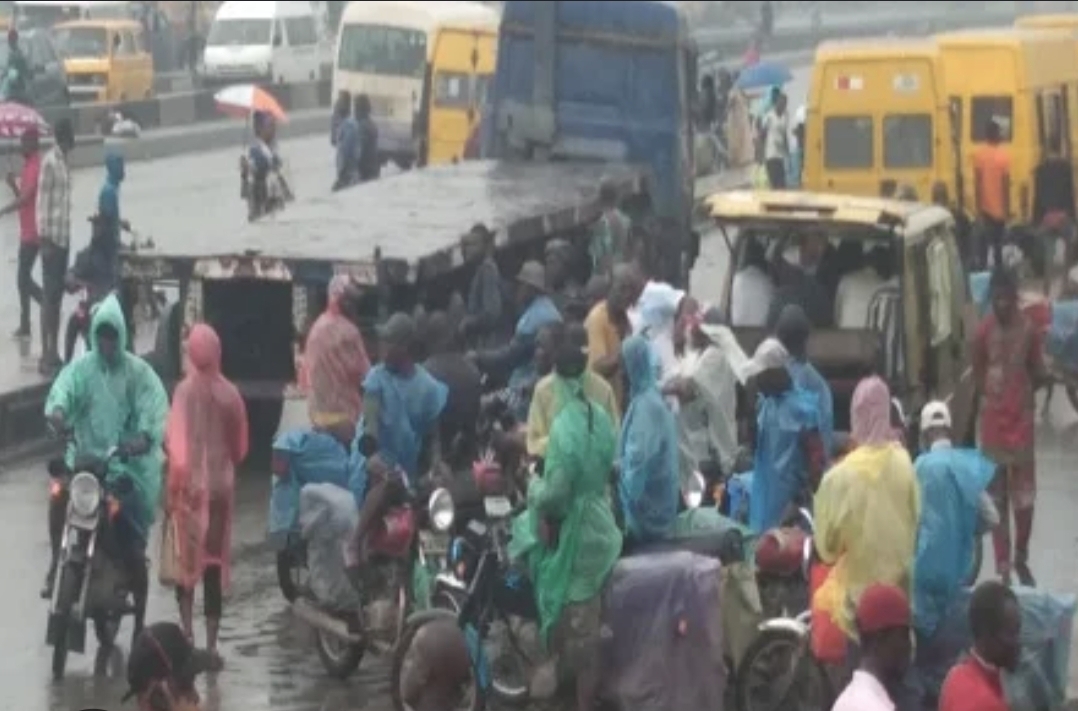
Lagos residents are increasingly choosing nylon raincoats over traditional umbrellas as the city experiences a surge in rainfall intensity. This shift is primarily driven by the perceived ease of movement and greater protection offered by raincoats, which allow commuters, market traders, and pedestrians to navigate the city's busy thoroughfares and crowded public transport more efficiently, even in heavy downpours.
WHO ARE THE KEY PLAYERS
The primary 'key players' in this evolving narrative are the **Lagos residents** themselves – the millions of daily commuters, workers, and students who must navigate the city regardless of weather conditions. Their collective decision to adopt raincoats represents a grassroots adaptation to environmental challenges. Secondary, but significant, players include the **street vendors** and small-scale entrepreneurs who quickly adapt their merchandise offerings to meet this changing demand, stocking up on affordable nylon raincoats to cater to the market. Local government agencies, though not directly involved in this specific trend, are indirectly impacted as they manage urban infrastructure challenged by heavy rains.
UNDERSTANDING THE LOCATION
**Lagos** is Nigeria's largest city, a sprawling megapolis and major economic hub located in the South-West geopolitical zone. It is a coastal city, making it particularly susceptible to heavy rainfall and seasonal flooding, especially during the peak of the rainy season. Its dense population and often-congested infrastructure mean that daily mobility is a critical aspect of life, and any impediment, such as heavy rain, can significantly disrupt economic and social activities.
BACKGROUND AND CONTEXT
Nigeria experiences two main seasons: the dry season and the rainy season. The rainy season typically runs from April to October in the southern parts of the country, with peak intensity often occurring between June and September. Lagos, being a coastal city, usually experiences prolonged periods of heavy rainfall during this time. Historically, umbrellas have been the go-to protection against rain. However, the sheer volume of daily foot traffic, the need to quickly board moving commercial vehicles (like 'danfo' buses), and the desire for hands-free mobility have long presented challenges for umbrella users. The recent intensification of rains has simply accelerated a practical re-evaluation among residents.
EXPLAINING IMPORTANT REFERENCES
- **Nylon Raincoats:** These are lightweight, waterproof garments, typically made from synthetic nylon fabric, designed to be worn over regular clothing. They are prized for their portability, ease of wear, and ability to keep the wearer dry without requiring a free hand, unlike an umbrella. They are often sold cheaply by street vendors, making them accessible to a wide range of income earners. Their disposable nature also makes them a convenient, low-cost solution.
- **Umbrellas:** Traditional portable devices used for protection from rain or sun, consisting of a circular canopy of cloth on a folding frame supported by a central stick. While effective, they can be cumbersome in crowded spaces, prone to being blown inside out by strong winds, and require one hand to operate, limiting mobility.
- **Rainy Season:** The period of the year when a region experiences its average annual rainfall. In Lagos, this season is characterized by consistent downpours, occasional thunderstorms, and often leads to localized flooding due to inadequate drainage systems and the city's low-lying coastal topography.
IMPACT ANALYSIS
This shift towards raincoats signifies a practical adaptation by Lagosians to their challenging urban environment. For individuals, it means enhanced mobility and convenience, allowing them to continue their daily routines with less disruption. Economically, this trend creates a booming market for street vendors who sell these affordable raincoats, often for as little as a few hundred naira – a price point equivalent to a short local transport fare or a small market purchase. This supports the informal economy, providing income for many. Environmentally, the increased use of nylon, a plastic material, raises concerns about waste management, especially if discarded improperly, potentially exacerbating drainage issues and pollution in a city already grappling with refuse disposal.
WHAT HAPPENS NEXT
As the rainy season continues, it is anticipated that the adoption of nylon raincoats will become even more widespread, solidifying its place as the preferred rain gear in Lagos. We may see an increase in the variety and quality of raincoats available, catering to different preferences and budgets. The market for umbrellas, particularly among commuters, may continue to shrink, while vendors will likely continue to capitalize on the high demand for raincoats. Local authorities might also need to consider the environmental implications of increased plastic waste from discarded raincoats and explore sustainable solutions.
HERO PERSPECTIVE
Leverage On Heroes Media views this trend as a testament to the remarkable resilience and adaptability of the average Lagosian. In the face of intensifying weather patterns and persistent urban challenges, residents are not merely enduring but actively innovating simple, effective solutions that enhance their daily lives. This is a story of everyday heroism – the practical, unsung ingenuity that keeps the wheels of this megacity turning, rain or shine.
CLOSING
The humble nylon raincoat, once a niche item, has now become a symbol of practical resilience on the streets of Lagos. Its rise is a clear indicator of how a city's people adapt and innovate, finding simple yet effective ways to navigate their complex environment, ensuring that life and commerce continue, even when the heavens open.