
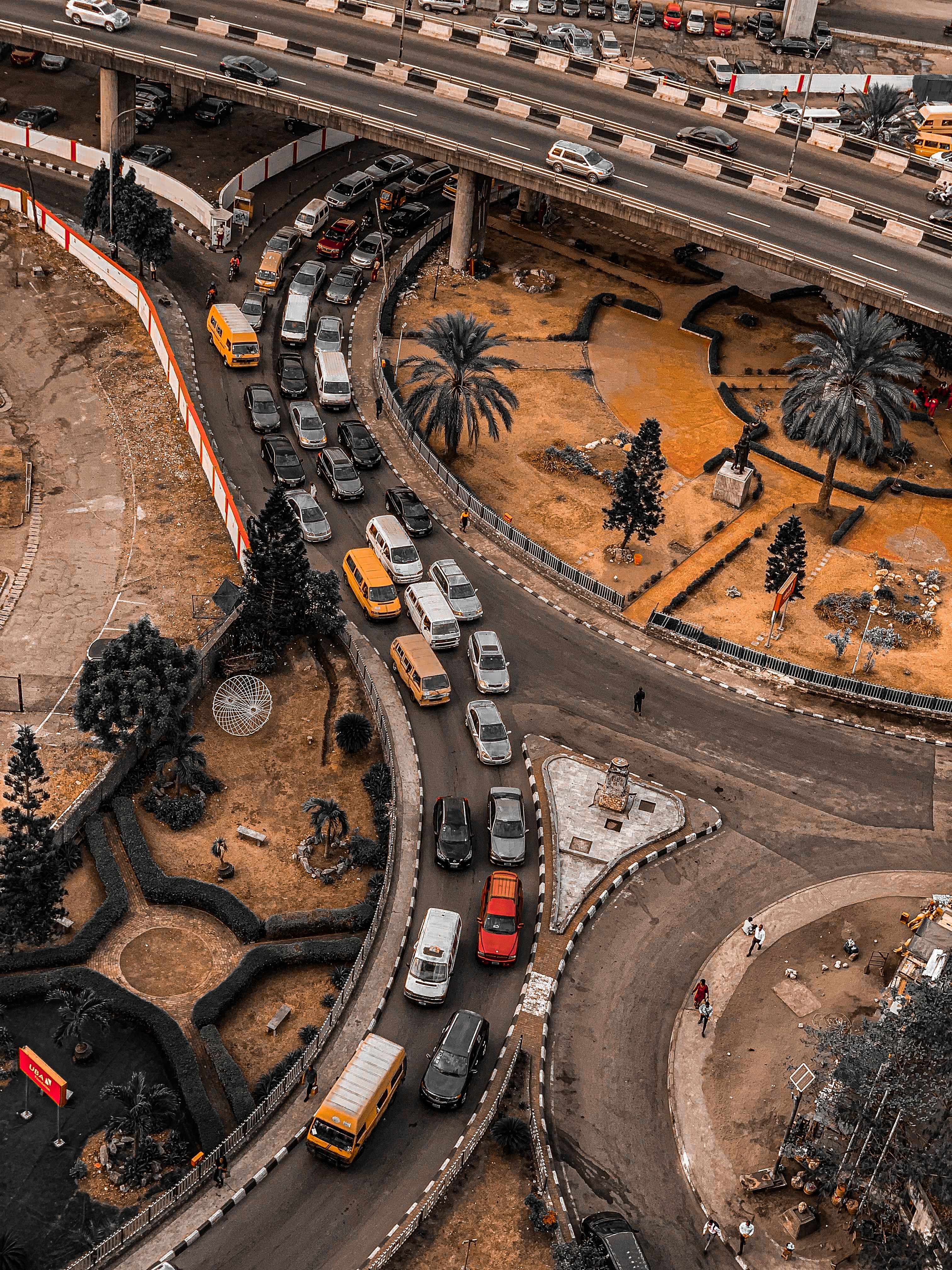
HEADLINE
Lagos State Attributes Deteriorating Road Network to Heavy Rainfall, Promises Repairs
OPENING HOOK
The annual return of the rainy season in Nigeria often brings with it familiar challenges, none perhaps more frustrating for the average citizen than the rapid degradation of road infrastructure. In Lagos, Nigeria's bustling economic hub, this perennial problem has once again taken centre stage, prompting a response from the state's public works agency.
WHAT HAPPENED
In a recent statement, the Lagos State Public Works Corporation (LSPWC) officially attributed the observable worsening of road conditions across the state to the relentless heavy rainfall experienced over recent weeks. The corporation acknowledged the significant damage to various road networks and assured residents of its ongoing efforts to repair and rehabilitate the affected infrastructure, promising a swift response to alleviate the inconvenience faced by commuters.
WHO ARE THE KEY PLAYERS
**Lagos State Public Works Corporation (LSPWC):** This is the primary government agency responsible for the construction, rehabilitation, and maintenance of roads and other public infrastructure within Lagos State. Its mandate is crucial for ensuring smooth transportation and connectivity across the densely populated metropolis.
**Lagos State Government:** As the executive authority, the Lagos State Government oversees the LSPWC and provides the policy framework, funding, and strategic direction for infrastructure development and maintenance. The current administration, led by Governor Babajide Sanwo-Olu, is ultimately accountable for the state of public infrastructure.
**Residents of Lagos:** The millions of people who live, work, and commute within Lagos State are the direct beneficiaries or victims of the road conditions. Their daily lives, livelihoods, and safety are significantly impacted by the state of the roads.
UNDERSTANDING THE LOCATION
Lagos State, located in the South-West geopolitical zone of Nigeria, is the smallest state by land area but the most populous, and arguably the economic nerve centre of the nation. As a coastal megacity, it faces unique challenges, including a high water table and susceptibility to flooding, which exacerbate the impact of heavy rainfall on its infrastructure. Its status as a commercial hub means its road network carries an immense volume of traffic daily, putting constant stress on the roads.
BACKGROUND AND CONTEXT
Nigeria's rainy season, typically spanning from April to October, consistently poses a significant threat to the integrity of its road networks. For decades, Lagos has grappled with the challenge of maintaining durable roads amidst its tropical climate, high population density, and intense vehicular traffic. Historically, inadequate drainage systems and the use of sub-standard materials in road construction have contributed to the rapid deterioration seen during heavy downpours. Past administrations have often faced criticism for not implementing sustainable, all-weather road solutions, leading to a cycle of repairs that are quickly undone by the next rainy season. This recurring issue highlights the broader challenge of infrastructure resilience in a rapidly developing urban environment.
EXPLAINING IMPORTANT REFERENCES
**Road Infrastructure:** In simple terms, this refers to all the constructed facilities that enable vehicular and pedestrian movement. This includes the roads themselves, bridges, flyovers, sidewalks, and crucially, the drainage systems designed to manage rainwater. When we talk about 'worsening road conditions,' we are referring to the development of potholes, cracks, erosion of shoulders, and even sections of roads collapsing, making travel difficult and dangerous.
**Heavy Rainfall:** Beyond just making surfaces wet, heavy rainfall significantly impacts road integrity. Water seeps into cracks in the asphalt or concrete, weakening the underlying soil and foundation. The continuous pressure from vehicles then causes these weakened sections to collapse, forming potholes. Additionally, surface runoff can erode road shoulders and undermine bridge abutments, leading to more extensive damage.
IMPACT ANALYSIS
The deteriorating road conditions in Lagos have far-reaching implications. Economically, the increased travel time due to traffic congestion, often extending journeys by hours, translates into lost productivity for businesses and individuals. Transport costs inevitably rise as vehicles consume more fuel in stop-and-go traffic and suffer increased wear and tear, leading to higher maintenance expenses for commercial transporters and private car owners alike. This impacts the cost of goods, ultimately affecting market prices and the everyday Nigerian's purchasing power. Socially, the frustration of navigating bad roads contributes to stress and can lead to road rage. More critically, damaged roads increase the risk of accidents, posing a significant safety hazard to commuters and pedestrians. For a city that prides itself as a centre of excellence, the state of its roads directly influences its appeal to investors and its residents' quality of life.
WHAT HAPPENS NEXT
Following the LSPWC's assurance, residents will be closely monitoring the promised repairs. The immediate expectation is for rapid intervention to patch critical sections and address the most dangerous potholes. However, a more sustainable approach will necessitate a focus on long-term solutions, including the construction of more resilient road surfaces, improved drainage systems, and regular proactive maintenance rather than reactive repairs. The effectiveness of these efforts will depend not just on the LSPWC's commitment but also on adequate funding from the Lagos State Government and robust oversight to ensure quality work. Public engagement and feedback will be crucial in holding the authorities accountable for delivering on their pledges.
HERO PERSPECTIVE
Leverage On Heroes Media believes that functional and safe infrastructure is a fundamental right of every citizen and a cornerstone of economic prosperity. While acknowledging the challenges posed by natural elements like heavy rainfall, we assert that proactive planning, transparent execution of projects, and the use of quality materials are non-negotiable. The 'Hero Perspective' on this issue is that governments must move beyond seasonal blame games and invest in resilient, future-proof infrastructure that can withstand the demands of a growing megacity and its climate. Accountability for public funds allocated to road projects must be paramount, ensuring that every naira spent translates into durable roads that serve the people effectively and safely.
CLOSING
The state of Lagos roads remains a critical concern for its millions of inhabitants. While the Lagos State Public Works Corporation has outlined its commitment to repairs, the true measure of success will be seen in the coming months, as the state navigates the remainder of the rainy season and prepares for a more durable future. The journey towards truly resilient infrastructure in Nigeria's commercial capital continues.