
HEADLINE
Global Photographers Highlight Coastal Guardians in 12th Annual Mangrove Photography Awards
OPENING HOOK
While tropical rainforests and colorful coral reefs often dominate global conversation, the world's quiet coastal mangrove forests remain unsung defenders of shoreline communities across the globe, including Nigeria’s vast Niger Delta region.
WHAT HAPPENED
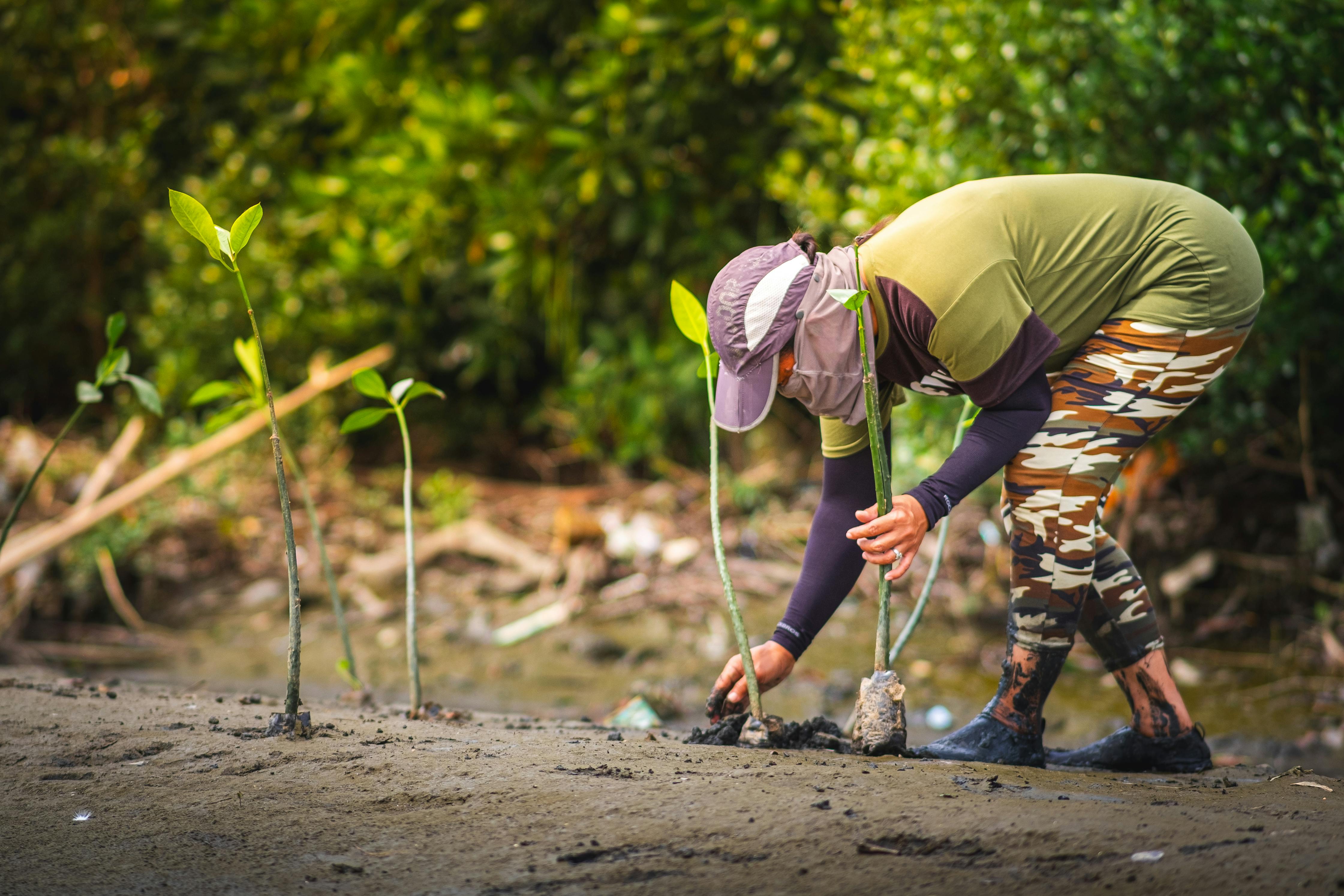
The United States-based conservation organisation Mangrove Action Project (MAP) announced the official winners of its 12th annual Mangrove Photography Awards to commemorate World Mangrove Day on July 26. Through striking visual imagery, the global contest showcases the intricate beauty, biological diversity, and environmental vulnerability of mangrove ecosystems across continents. Creative Director Leo Thom highlighted that photography serves as a powerful medium to elevate mangroves from overlooked coastal thickets into recognized global ecological priorities.
WHO ARE THE KEY PLAYERS
The primary organisation behind this initiative is the Mangrove Action Project (MAP), a United States non-governmental group dedicated to the preservation and community-led restoration of mangrove forests globally. Key leadership includes Leo Thom, MAP’s Creative Director, who leads the contest to build public engagement through art. Participating wildlife and conservation photographers worldwide also serve as key players, capturing rare glimpses of intertidal animals, dense root networks, and coastal human communities reliant on these vital trees.
UNDERSTANDING THE LOCATION
Although the competition is organized from the United States, its focus spans critical coastal locations worldwide. Globally, mangroves cover only about 0.1 percent of the Earth's land surface, concentrating primarily in tropical and subtropical regions. In West Africa, Nigeria holds Africa’s largest mangrove coverage, situated largely in the Niger Delta region across states like Rivers, Bayelsa, and Cross River, where these intertidal forests buffer coastal towns from Atlantic storm surges and support rich marine fisheries.
BACKGROUND AND CONTEXT
Established officially by the United Nations Educational, Scientific and Cultural Organization (UNESCO) in 2015, World Mangrove Day is celebrated annually on July 26 to raise global awareness about mangrove conservation. Historically, mangroves have faced severe destruction from urban coastal development, timber logging, industrial pollution, and commercial fish farming, leading to widespread loss over the past four decades. Visual initiatives like MAP’s annual awards were launched twelve years ago to counter this loss by building public fascination and political support through conservation photography.
EXPLAINING IMPORTANT REFERENCES
To fully grasp the importance of this event, three key concepts require clear explanation: 1. **World Mangrove Day**: An international environmental awareness day marked every July 26 to champion sustainable mangrove management. 2. **Mangrove Action Project (MAP)**: An international non-profit group formed to protect, restore, and conserve global mangrove ecosystems. 3. **Carbon Sequestration**: The natural process by which plants absorb carbon dioxide from the air and lock it away. Mangrove forests store up to four times more carbon per hectare than terrestrial rainforests, making them powerful shields against global warming.
IMPACT ANALYSIS
For coastal communities in developing nations like Nigeria, recognizing mangroves brings vital environmental and financial benefits. Healthy mangroves protect shorelines from devastating wave erosion and sea-level rise while acting as natural hatcheries for fish, crabs, and prawns—sustaining the everyday income of artisanal fishers across coastal towns. Internationally, elevating these photos helps drive eco-tourism, community-led restoration grants, and stricter national regulations against illegal coastal clearing and oil spills.
WHAT HAPPENS NEXT
Following the release of the winning images, the Mangrove Action Project will feature the awarded photography across international educational exhibits, environmental publications, and digital awareness campaigns. Environmental groups in West Africa and beyond are expected to use these visual resources during local community workshops to promote sustainable mangrove management and lobby policymakers for stronger legislative protection of coastal wetlands.
HERO PERSPECTIVE
At Leverage On Heroes Media, our editorial stance—titled *The Coastal Shield Angle*—maintains that visual storytelling is a vital catalyst for environmental accountability. While high-level climate summits produce lengthy policy documents, showcasing the raw, delicate beauty of mangroves connects everyday citizens to nature's most resilient guardians. Protecting our mangroves is not merely an aesthetic choice; it is a matter of economic survival and coastal protection for millions living along Africa's shorelines.
CLOSING
As threats from coastal erosion and extreme climate events grow, the visual stories captured in the 12th Mangrove Photography Awards offer both a warning and a source of hope, reminding policymakers and citizens that protecting these quiet coastal forests protects humanity's collective future.