
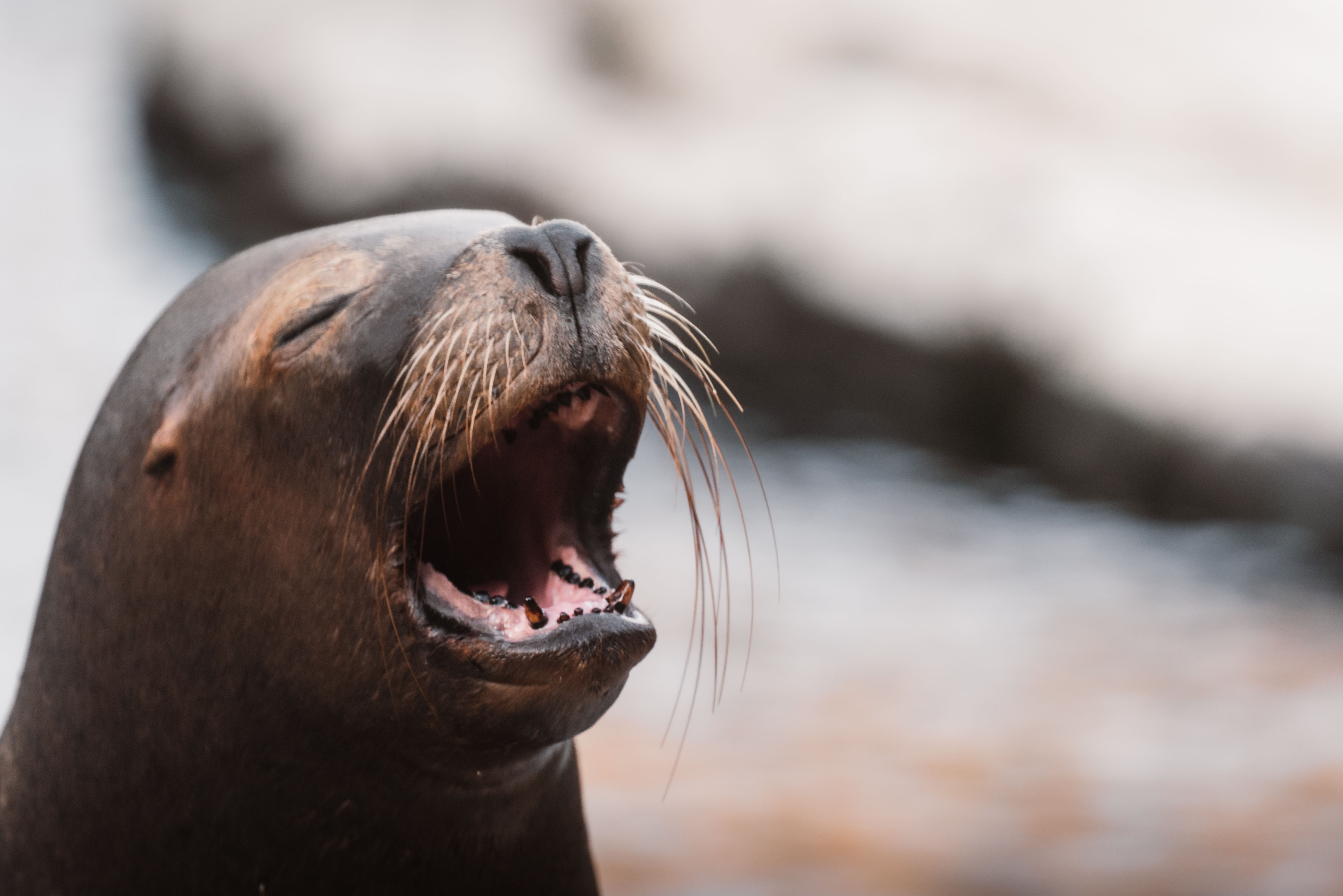
HEADLINE
Neil the Seal's Viral Stint Creates Mayhem in Southern Tasmania
OPENING HOOK
A five-year-old elephant seal, affectionately nicknamed Neil, has become an unlikely international celebrity after his extended and disruptive visit to a popular beach in southern Tasmania.
WHAT HAPPENED
Neil, a young male elephant seal, spent several weeks ashore at a popular beach in southern Tasmania, causing significant disruption to local activities and attracting widespread media attention. His presence led to the closure of the beach to the public and prompted a coordinated response from wildlife authorities to manage both the seal and the crowds of onlookers.
WHO ARE THE KEY PLAYERS
- **Neil:** The five-year-old male elephant seal at the centre of the event. His behaviour, while natural for his species, caused unforeseen disruptions.
- **Tasmanian Parks and Wildlife Service:** The government agency responsible for managing wildlife and public access to natural areas in Tasmania. They were tasked with ensuring Neil's safety and the public's.
- **Local Authorities:** Various local government bodies and law enforcement agencies that assisted in managing the public and potential safety concerns around the beach.
- **The Public and Media:** Global attention surged as Neil's story went viral online, with many people travelling to catch a glimpse of the unusual visitor.
UNDERSTANDING THE LOCATION
The events unfolded in southern Tasmania, an island state of Australia. This region is known for its pristine coastlines, diverse wildlife, and natural beauty. The specific beach where Neil made his appearance is a popular recreational spot, highlighting the conflict between human activity and wildlife presence.
BACKGROUND AND CONTEXT
Elephant seals are large marine mammals that haul out on land for breeding, moulting, and resting. While they are found along the coastlines of Australia and New Zealand, a young male venturing ashore for an extended period in a populated area is noteworthy. This incident underscores the increasing overlap between human environments and wildlife habitats, often exacerbated by climate change and habitat disruption. Viral animal stories, while often heartwarming, can also present challenges for conservation efforts when they lead to increased human interaction with wild animals.
EXPLAINING IMPORTANT REFERENCES
- **Elephant Seal:** A type of seal known for the males' large size and the inflatable proboscis (trunk-like nose) that gives them their name. They are found in polar and subpolar regions.
- **Haul Out:** The behaviour of seals and other marine mammals coming ashore onto land or ice floes to rest, breed, or moult.
- **Moulting:** The natural process where animals shed their outer covering (like fur or feathers) and replace it with new growth.
IMPACT ANALYSIS
Neil's presence had several immediate impacts. The beach closure affected local tourism and recreational activities. The wildlife authorities faced the challenge of protecting an animal that was drawing significant public attention, which could lead to stress for the seal or dangerous interactions. The viral nature of the story also raised awareness about the importance of respecting wildlife and maintaining a safe distance, even from seemingly docile animals.
WHAT HAPPENS NEXT
Following his extended stay, Neil was observed to eventually return to the sea, a natural progression for his species. Wildlife officials will likely continue to monitor seal populations and their movements along the Tasmanian coast. The incident may prompt a review of protocols for managing wildlife encounters in populated areas, particularly those that gain significant media traction. Future efforts may focus on public education campaigns to promote responsible wildlife viewing.
HERO PERSPECTIVE
At Leverage On Heroes Media, we see Neil's story as a powerful, albeit unusual, reminder of the wild world's persistent presence even in our increasingly human-dominated landscapes. It highlights the delicate balance between conservation and public engagement, and the responsibility we all share in ensuring that our fascination with nature does not inadvertently harm the very creatures we admire. This is about coexisting, not just observing.
CLOSING
Neil's brief but impactful reign over a Tasmanian beach serves as a potent symbol of nature's ability to capture our imagination and, at times, disrupt our routines, reminding us of the wild wonders that share our planet.