HEADLINE
New Sensor Technology Captures Critical Warning Signs Ahead of Lake Victoria Fish Deaths
OPENING HOOK
For millions across East Africa, Lake Victoria is a lifeline, providing food, income, and cultural heritage. However, this vital ecosystem faces persistent threats, with sudden, devastating fish deaths being a recurrent nightmare. A recent breakthrough in sensor technology offers a glimmer of hope, demonstrating the potential to predict these ecological catastrophes before they unfold, potentially saving livelihoods and the lake's delicate balance.
WHAT HAPPENED
Scientists from King's College London recently deployed advanced sensor technology in Lake Victoria, successfully capturing the critical warning signs of a major low-oxygen event just hours before local communities began reporting extensive fish deaths. This pivotal observation validates the urgent need for sophisticated early warning systems, which could provide crucial time for intervention or mitigation, thereby protecting the lake's aquatic life and the livelihoods dependent on it.
WHO ARE THE KEY PLAYERS
The primary institution behind this significant research is **King's College London**, a prestigious public research university located in London, United Kingdom. Its researchers are at the forefront of developing innovative solutions to global environmental challenges. The other key players are the **local communities surrounding Lake Victoria**, who are directly impacted by the health of the lake. These communities, predominantly fishing and farming populations, are often the first to witness and report the devastating effects of environmental changes like mass fish deaths.
UNDERSTANDING THE LOCATION
**Lake Victoria**, also known as Victoria Nyanza, is Africa's largest lake by area and the world's second-largest freshwater lake by surface area, after Lake Superior in North America. Shared by Tanzania, Uganda, and Kenya, it is a crucial transboundary natural resource. The lake is the principal reservoir of the River Nile and supports one of the most densely populated rural areas in the world. Its waters are vital for fishing, transport, hydropower, and tourism, making its ecological health paramount for regional stability and economic well-being.
BACKGROUND AND CONTEXT
Lake Victoria has long been under severe environmental stress. Overfishing, pollution from agricultural runoff and industrial waste, and the impact of invasive species like the Nile Perch have profoundly altered its ecosystem. Coupled with the effects of climate change, these pressures have led to frequent **hypoxia** – a technical term for 'low-oxygen events' – particularly in deeper waters. These conditions are often exacerbated by thermal stratification, where layers of water with different temperatures prevent mixing, trapping oxygen-depleted water at the bottom. When these anoxic waters rise, they can suffocate fish populations, leading to mass die-offs.
EXPLAINING IMPORTANT REFERENCES
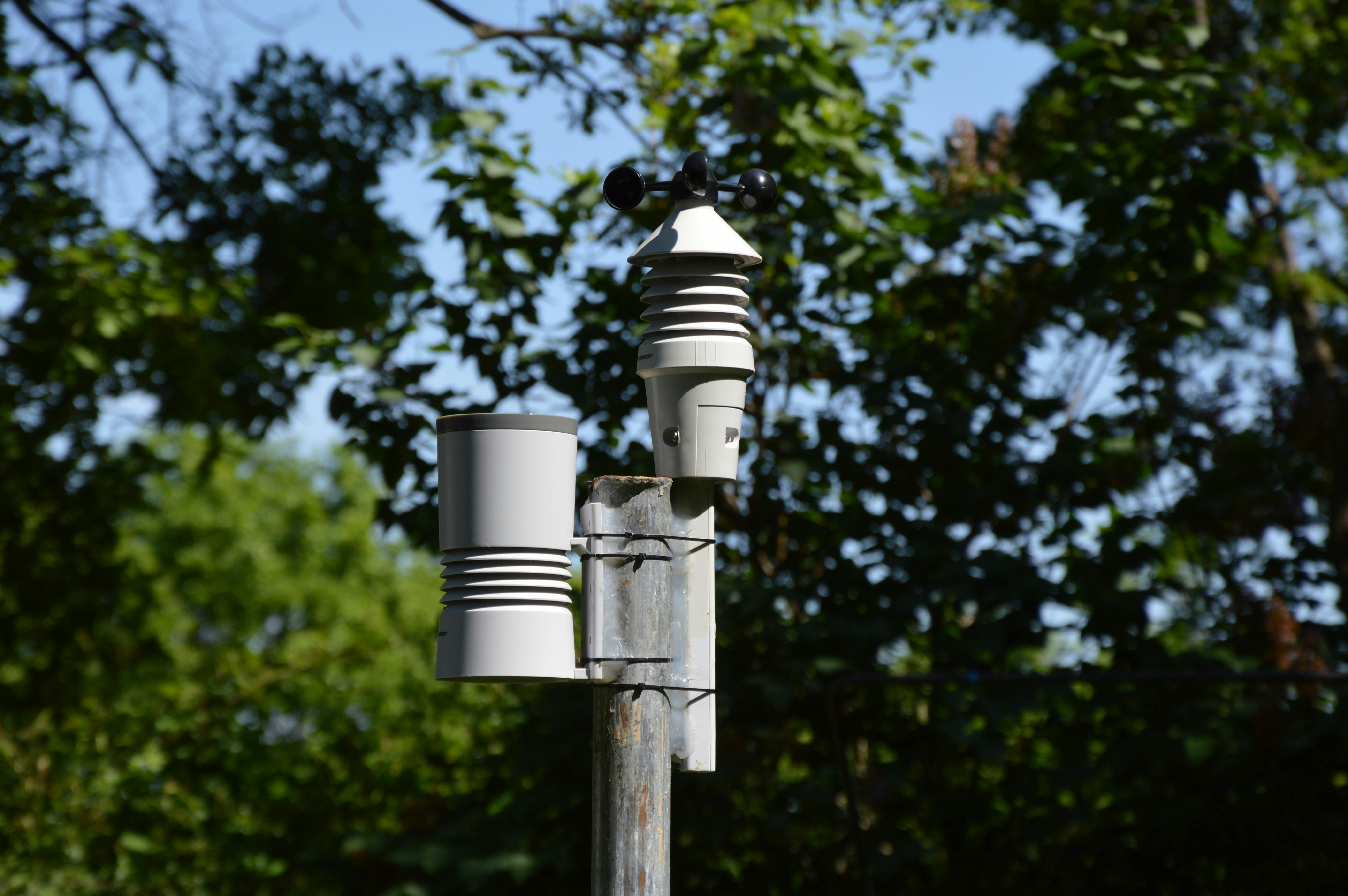
The core of this breakthrough lies in **sensors**, which are electronic devices designed to detect and respond to certain types of input from the physical environment. In this case, the sensors were deployed to continuously monitor crucial water quality parameters such as dissolved oxygen levels, temperature, and pH. A **low-oxygen event**, or hypoxia, occurs when the concentration of dissolved oxygen in the water drops to levels insufficient to sustain most aquatic life. This phenomenon is a major stressor for fish and other organisms, often leading to large-scale mortality, as observed in Lake Victoria.
IMPACT ANALYSIS
The ability to predict mass fish deaths hours in advance has profound implications. Economically, it could allow local fishermen to harvest fish before a major die-off, mitigating financial losses. Ecologically, it offers a chance for scientists and policymakers to understand the triggers for these events better, potentially leading to long-term strategies for lake management and conservation. For the millions reliant on the lake, this technology represents a tangible step towards greater food security and economic resilience, particularly in communities where a single fish death event can wipe out a season's earnings.
WHAT HAPPENS NEXT
The immediate next steps involve scaling up this research. The successful deployment of these sensors demonstrates proof of concept, but wider adoption would require significant investment in infrastructure and training for local personnel to manage and interpret the data. Collaboration between regional governments (Kenya, Uganda, Tanzania), international research institutions, and local communities will be crucial. Furthermore, integrating this sensor data with satellite imagery and weather forecasts could create a comprehensive early warning system, allowing for proactive measures to be taken to protect the lake and its invaluable resources. Policy frameworks would also need to be developed to ensure that early warnings translate into effective, coordinated responses.
HERO PERSPECTIVE
Leverage On Heroes Media believes that scientific innovation, when applied thoughtfully and collaboratively, can be a powerful hero in the face of environmental challenges. This sensor technology is not just a scientific curiosity; it is a beacon of hope for communities whose very existence is tied to the health of Lake Victoria. By providing timely, actionable intelligence, this research empowers local populations and policymakers to become proactive guardians of their natural heritage, turning potential disaster into an opportunity for resilience and sustainable management. It is a testament to how knowledge and technology can serve humanity and the planet.
CLOSING
The pioneering work by King's College London researchers in Lake Victoria marks a critical advancement in environmental monitoring. While the challenges facing this vital African lake remain immense, the proven capability of these sensors to offer advance warning against ecological crises like mass fish deaths provides a powerful new tool in the ongoing efforts to protect one of the continent's most precious natural assets and the millions who depend on it.