
HEADLINE
Nigeria Braces for Catastrophic Floods: 18 Million at Risk by 2026, NiHSA Warns
OPENING HOOK
As communities across Nigeria grapple with recurring flood disasters, a stark prediction from the nation's hydrological services agency casts a long shadow, warning of a looming crisis that could displace millions and cripple essential services within the next three years.
WHAT HAPPENED
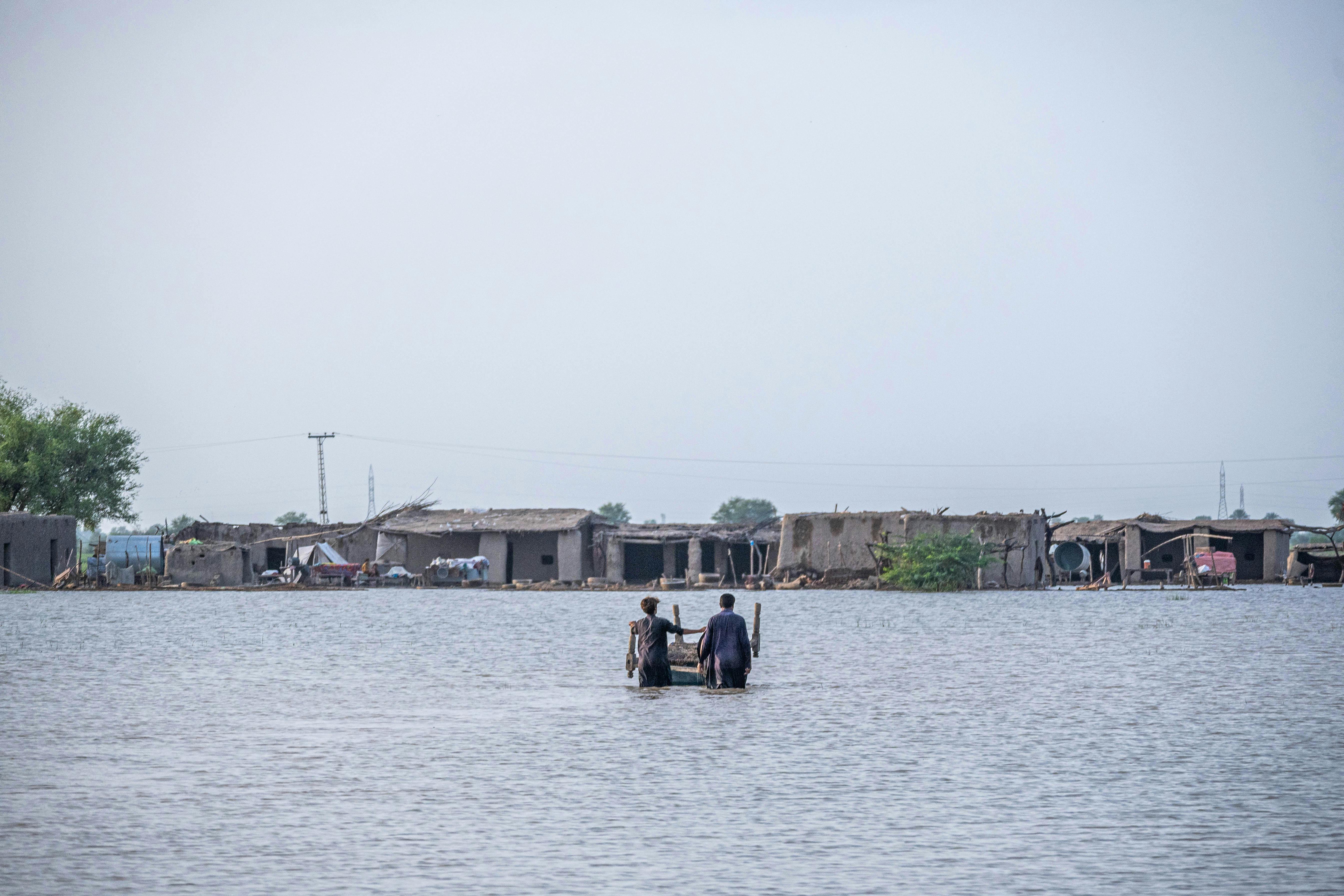
The Nigeria Hydrological Services Agency (NiHSA) has projected that more than 18 million Nigerians are at high risk of severe flooding by 2026. This alarming forecast indicates potential submergence of approximately 2,000 hectares of vital farmland, alongside the disruption of 8,794 educational facilities and 3,808 healthcare facilities nationwide. The warning, delivered by NiHSA's Director-General, Arc Umar Mohammed, underscores the urgent need for state governments to implement proactive measures to mitigate these anticipated impacts.
WHO ARE THE KEY PLAYERS
**Nigeria Hydrological Services Agency (NiHSA)**: This is the primary federal government agency responsible for monitoring and forecasting hydrological events, including floods, droughts, and water resource management in Nigeria. Its mandate includes providing data and warnings to aid national planning and disaster preparedness.
**Arc Umar Mohammed**: The Director-General of NiHSA, who communicated this critical flood forecast, highlighting the agency's role in informing policy and action at both federal and state levels.
**State Governments**: These are crucial actors in flood mitigation and response. They are responsible for implementing early warning systems, constructing drainage infrastructure, relocating vulnerable populations, and providing relief to affected communities within their respective jurisdictions.
**Affected Nigerians**: The over 18 million citizens, primarily in low-lying and riverine areas, who stand to bear the brunt of these predicted floods, facing displacement, loss of livelihoods, and threats to their health and education.
UNDERSTANDING THE LOCATION
Nigeria, a country in West Africa, is highly susceptible to flooding due to a combination of heavy seasonal rainfall, overflowing rivers like the Niger and Benue, coastal surges, and often inadequate urban drainage systems. The impact of floods is typically felt across all six geopolitical zones, though riverine communities in the North-Central, South-South, South-East, and parts of the South-West are particularly vulnerable. The predicted exposure of 18 million people represents a significant portion of the country's population, underscoring the widespread nature of this environmental threat.
BACKGROUND AND CONTEXT
Nigeria has a history of devastating floods, with major incidents recorded in 2012 and 2022, which led to significant loss of life, widespread displacement, and severe economic damage. These past events often resulted from a combination of heavy rains, the release of water from dams (both within Nigeria and upstream countries like Cameroon's Lagdo Dam), and poor urban planning. The lessons from these catastrophes, including the destruction of homes, farmlands, and infrastructure, inform NiHSA's current proactive warnings, aiming to prevent a repeat of such large-scale humanitarian and economic crises.
EXPLAINING IMPORTANT REFERENCES
**Flood Forecast**: This refers to the scientific prediction of future flood events, including their likely timing, severity, and geographical extent. NiHSA uses hydrological models, weather data, and Geographic Information Systems (GIS) to make these predictions, enabling governments and communities to prepare.
**2,000 Hectares of Farmland**: A hectare is a unit of area, equivalent to 10,000 square meters or roughly 2.5 acres. To put 2,000 hectares into perspective, it's about the size of 3,000 standard football pitches or a significant portion of a small town. The submergence of such vast agricultural land directly threatens food security, increases food prices, and impacts the livelihoods of countless farmers, potentially leading to higher market prices for staple foods.
**8,794 Educational Facilities**: This includes primary schools, secondary schools, and possibly tertiary institutions. Flooding these facilities means prolonged disruption of learning for millions of students, setting back educational progress and potentially increasing dropout rates.
**3,808 Healthcare Facilities**: This encompasses hospitals, clinics, and health centers. Their submergence would severely hamper access to essential medical services, especially in times of crisis, and could exacerbate public health emergencies due to waterborne diseases.
IMPACT ANALYSIS
The projected floods carry profound implications across multiple sectors. **Humanitarianly**, the displacement of millions would trigger a severe crisis, requiring massive relief efforts, increasing the risk of disease outbreaks like cholera and malaria, and causing psychological trauma. **Economically**, the destruction of 2,000 hectares of farmland would devastate agricultural output, leading to food scarcity, inflation, and significant financial losses for farmers, impacting the nation's Gross Domestic Product. The damage to infrastructure, including roads, bridges, and homes, would necessitate costly reconstruction. **Socially**, the closure of nearly 9,000 educational facilities would interrupt schooling for countless children, while the incapacitation of almost 4,000 healthcare centers would deny critical medical access, particularly to vulnerable populations. These combined impacts could destabilize communities and strain national resources.
WHAT HAPPENS NEXT
Following NiHSA's warning, the onus is now on state governments to translate these predictions into tangible action. This includes developing and implementing comprehensive flood preparedness plans, investing in robust drainage infrastructure and early warning systems, and identifying safe higher grounds for potential relocation of vulnerable communities. There is an urgent need for public awareness campaigns to sensitize citizens on safety measures and evacuation routes. Collaboration between federal agencies, state governments, local communities, and international partners will be crucial to mobilize resources and expertise for both preventive measures and rapid response when the floods eventually arrive. Furthermore, long-term strategies for climate change adaptation and sustainable urban planning must be prioritized.
HERO PERSPECTIVE
Leverage On Heroes Media believes that NiHSA's forecast is not merely a prediction of doom, but a critical call to action. Our editorial stance is that this warning provides an invaluable opportunity for Nigeria to shift from reactive disaster management to proactive prevention and resilience-building. We assert that the lives and livelihoods of 18 million Nigerians, along with the future of our educational and healthcare systems, depend on immediate, decisive, and coordinated action by all levels of government, supported by informed and prepared citizens. The time to act is now, to turn this looming threat into a testament of our collective resolve.
CLOSING
The shadow of impending floods looms large over Nigeria. The warning from NiHSA provides a stark reminder of the environmental challenges facing the nation. It is a critical moment for leadership, collaboration, and community resilience to safeguard lives, livelihoods, and the future of critical infrastructure against this formidable natural threat.