HEADLINE
One Billion Plastic Pellets Spill Into River Tyne Following Vessel Collision
OPENING HOOK
Imagine pouring a mountain of tiny beads into our vital water sources, where they linger for generations—that is the stark reality unfolding in the United Kingdom as environmental authorities battle a massive chemical-adjacent disaster.
WHAT HAPPENED
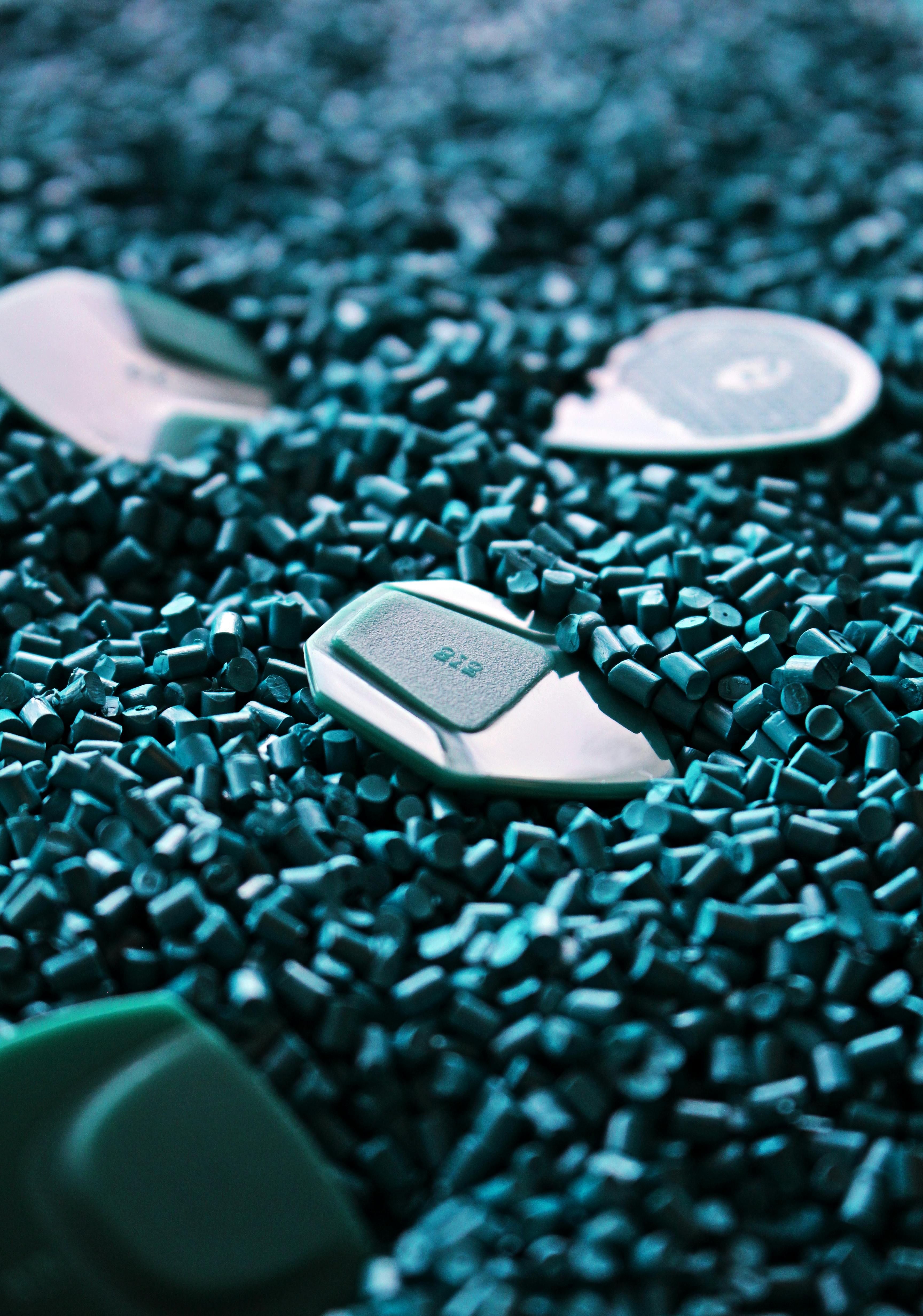
Approximately one billion tiny plastic pellets, known scientifically and industrially as nurdles, have spilled into the River Tyne following a devastating collision between two ships. The incident has released up to 25 tonnes of raw plastic material, which initial assessments show has spread much further across the aquatic environment than authorities first feared.
WHO ARE THE KEY PLAYERS
While specific shipping companies and vessel operators involved in the collision are currently under investigation by maritime authorities, environmental protection agencies in the United Kingdom are leading the containment efforts. These bodies include local port authorities and maritime safety regulators tasked with environmental oversight.
UNDERSTANDING THE LOCATION
This environmental incident occurred on the River Tyne, a major waterway situated in North East England that flows past major urban and industrial settlements before emptying into the North Sea. Much like the River Niger or River Benue in Nigeria, which support local fishing, transportation, and livelihoods, the Tyne is a vital commercial and ecological artery for the surrounding region.
BACKGROUND AND CONTEXT
Nurdles are small plastic granules, typically measuring between one and five millimetres, that serve as the fundamental raw building blocks for manufacturing almost all everyday plastic goods—from water bottles to household containers. When large-scale industrial spills occur during transport, these materials pose severe hazards because they do not dissolve, easily mimic fish food for marine wildlife, and are virtually impossible to clean up completely once dispersed.
EXPLAINING IMPORTANT REFERENCES
In industrial manufacturing terms, raw material transport involves moving massive quantities of bulk chemicals and polymers across global supply chains. When maritime accidents happen, containment protocols mirror those used during oil spill responses managed by agencies like Nigeria's National Oil Spill Detection and Response Agency, though solid micro-plastics present unique physical recovery challenges.
IMPACT ANALYSIS
For local economies relying on fishing and tourism, the widespread distribution of these plastic pellets threatens marine biodiversity. Fish and seabirds often ingest nurdles, mistaking them for nutrients, which can block their digestive tracts and introduce toxic chemicals into the marine food web. Economically, clean-up operations require substantial public and private expenditure.
WHAT HAPPENS NEXT
Environmental regulators are expected to deploy specialized skimming equipment and vacuum systems to recover as many floating pellets as possible from shorelines and riverbanks. Long-term monitoring will track the persistence of the micro-plastics in marine sediment and assess broader ecological damage.
HERO PERSPECTIVE
Leverage On Heroes Media takes an investigative angle focused on global industrial accountability and environmental stewardship. We highlight how weak maritime transit safeguards can instantly devastate shared natural resources, emphasizing that developing and industrialized nations alike must enforce stricter safety protocols for the transit of hazardous industrial inputs.
CLOSING
As recovery efforts continue along the riverbanks, the incident serves as a stark reminder of the fragile balance between global industrial supply chains and the protection of our natural water bodies.