
HEADLINE
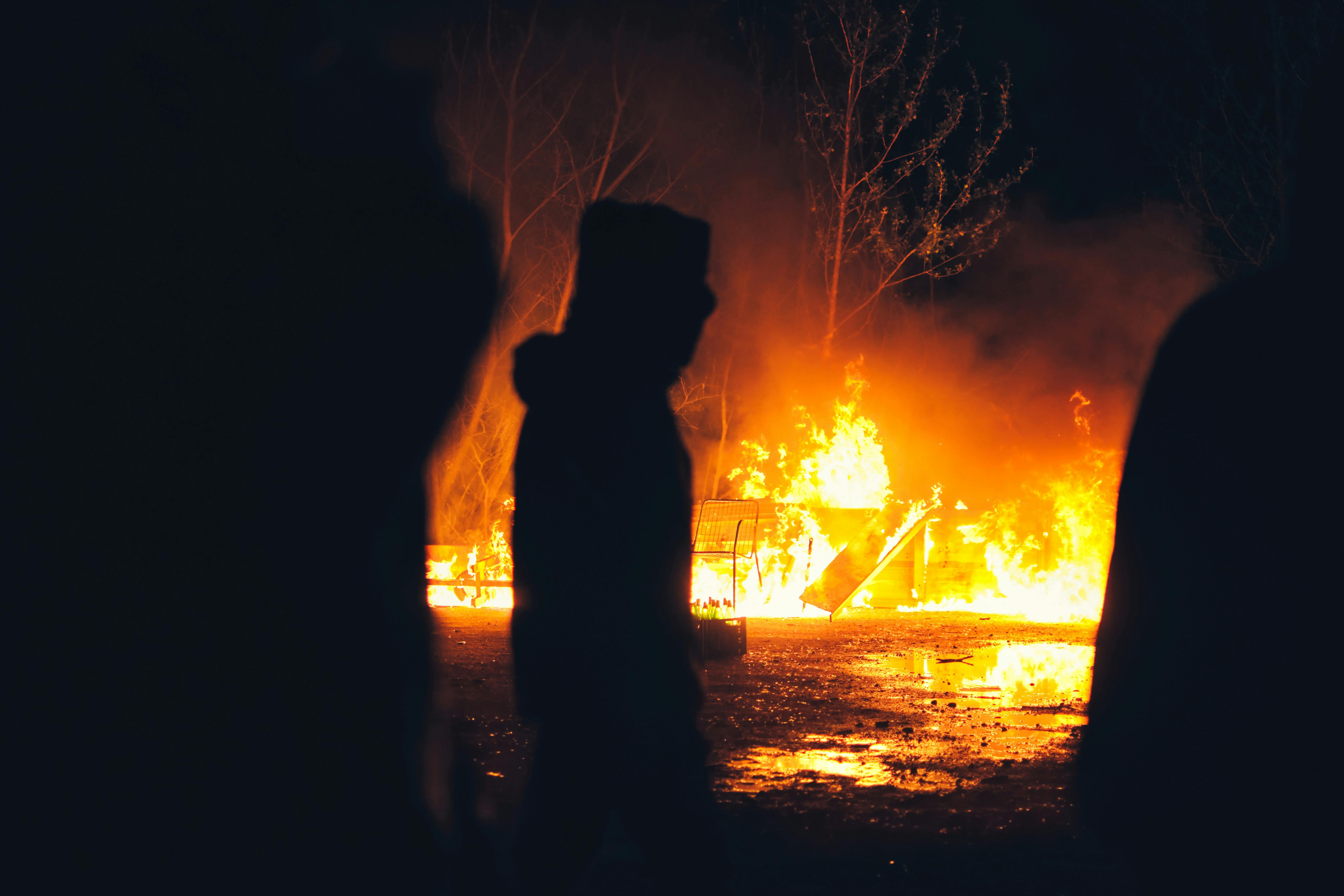
Over 170 Wildfires Rage Across Northern Ontario, Sparking Environmental Concerns
OPENING HOOK
The vast and often serene landscapes of Northern Ontario, Canada, are currently engulfed in a battle against nature's fury, as a staggering 173 active wildfires consume vital forestland, with a worrying twelve new fires igniting within the past day alone. This unfolding crisis underscores the increasing vulnerability of natural ecosystems to environmental shifts and the urgent need for robust disaster management strategies.
WHAT HAPPENED
As of this morning, Ontario's Ministry of Natural Resources has confirmed 173 active wildfires burning across the northern reaches of the province. This includes 12 fresh blazes that were sparked within the preceding 24-hour period, adding to the already extensive firefighting efforts underway in the region.
WHO ARE THE KEY PLAYERS
The primary entity responding to this environmental emergency is the **Ministry of Natural Resources and Forestry (MNRF)**, an agency of the provincial government of Ontario, Canada. This ministry is responsible for the sustainable management of Ontario's natural resources, including forests, land, water, and wildlife. Their mandate includes wildfire detection, prevention, and suppression, as well as managing the province's parks and protected areas. Their teams comprise highly trained firefighters, pilots, and support staff working tirelessly to contain and extinguish the fires.
UNDERSTANDING THE LOCATION
**Ontario** is Canada's most populous province and the second largest in land area. **Northern Ontario** refers to the vast, sparsely populated geographic region north of Lake Huron and French River, characterized by immense boreal forests, numerous lakes, and significant mining and forestry industries. It is a region susceptible to wildfires due to its extensive tree cover and weather patterns that can lead to dry conditions. Its remote nature often makes firefighting logistics challenging, requiring aerial support and specialized ground crews.
BACKGROUND AND CONTEXT
Wildfires are a natural, albeit often destructive, part of many forest ecosystems, especially in regions like Northern Ontario. They can be ignited by natural causes such as lightning strikes or by human activities like unattended campfires or discarded cigarettes. The frequency and intensity of these fires have been increasing globally, a trend often linked to climate change, which brings hotter, drier conditions and prolonged periods of drought. Canada, particularly its western and northern provinces, has experienced several severe wildfire seasons in recent years, leading to widespread evacuations, significant property damage, and extensive smoke plumes affecting air quality across vast distances, sometimes even reaching other continents. This current outbreak follows a pattern observed in previous years, highlighting a systemic challenge in managing the impacts of a changing climate on vulnerable natural landscapes.
EXPLAINING IMPORTANT REFERENCES
**Wildfires**, often locally called bush fires or forest fires, are uncontrolled fires that burn in wildland vegetation, which includes forests, grasslands, and prairies. They can spread rapidly, especially in dry, windy conditions, posing significant threats to ecosystems, wildlife, property, and human life. The **Ministry of Natural Resources and Forestry (MNRF)**, as mentioned earlier, acts as Ontario's primary government body for environmental stewardship, much like how various state and federal environmental protection agencies operate in Nigeria to manage natural resources and respond to ecological disasters. Their role is critical in coordinating efforts, deploying resources, and implementing strategies to mitigate the impact of such widespread natural disasters.
IMPACT ANALYSIS
The immediate impacts of 173 active wildfires are profound. Environmentally, they devastate vast tracts of forest, destroying wildlife habitats and releasing massive amounts of carbon dioxide and other pollutants into the atmosphere, contributing to air quality degradation locally and regionally. For human populations, particularly Indigenous communities and remote settlements in Northern Ontario, these fires pose direct threats, often necessitating evacuations and disrupting daily life. Economically, the forestry sector faces losses, and tourism, a significant industry in parts of Ontario, can be severely affected. The cost of firefighting operations alone runs into millions of Canadian dollars, representing a substantial drain on public resources that could otherwise be allocated to other essential services.
WHAT HAPPENS NEXT
Firefighting crews, including those from the Ministry of Natural Resources and Forestry, will continue their arduous work to contain and suppress the fires. This involves a combination of ground crews, water bombers, and specialized equipment. The immediate focus will be on protecting communities and critical infrastructure. As the season progresses, weather patterns, particularly rainfall and wind, will play a crucial role in determining the trajectory of the fires. Long-term, there will be a need for ecosystem recovery plans, reforestation efforts, and a reassessment of wildfire prevention and response strategies to adapt to the changing climate conditions that are making such events more frequent and intense.
HERO PERSPECTIVE
Leverage On Heroes Media views the escalating wildfire crisis in Northern Ontario not just as a regional environmental challenge, but as a stark reminder of the global interconnectedness of climate change. While geographically distant from Nigeria, the scale of these fires underscores a universal truth: environmental degradation in one part of the world has ripple effects across the globe. Our editorial stance emphasizes the critical importance of proactive environmental policies, international cooperation in disaster management, and sustained investment in climate resilience. We champion the heroes on the front lines – the firefighters and emergency responders – and call for global solidarity in addressing the climate crisis that fuels such devastating events, urging a collective commitment to protecting our planet for future generations.
CLOSING
The battle against the wildfires in Northern Ontario is far from over, representing a significant challenge for Canadian authorities and a poignant illustration of environmental vulnerabilities worldwide. As efforts continue to bring these blazes under control, the events serve as a powerful call to action for stronger climate resilience and environmental stewardship, echoing concerns that resonate from the Canadian boreal forests to the African savannahs.