
HEADLINE
Silent Threat: Bumblebees Accumulate Dramatically More Toxic Metals Than Honeybees, Warn Researchers
OPENING HOOK
The buzz of a bee is often a comforting sound, a symbol of nature's industriousness and the promise of sustenance. However, a new scientific revelation is casting a dark shadow over this familiar scene, suggesting that one of our most vital pollinators, the bumblebee, is silently accumulating dangerous levels of environmental toxins, far exceeding what its honey-producing cousins collect.
WHAT HAPPENED
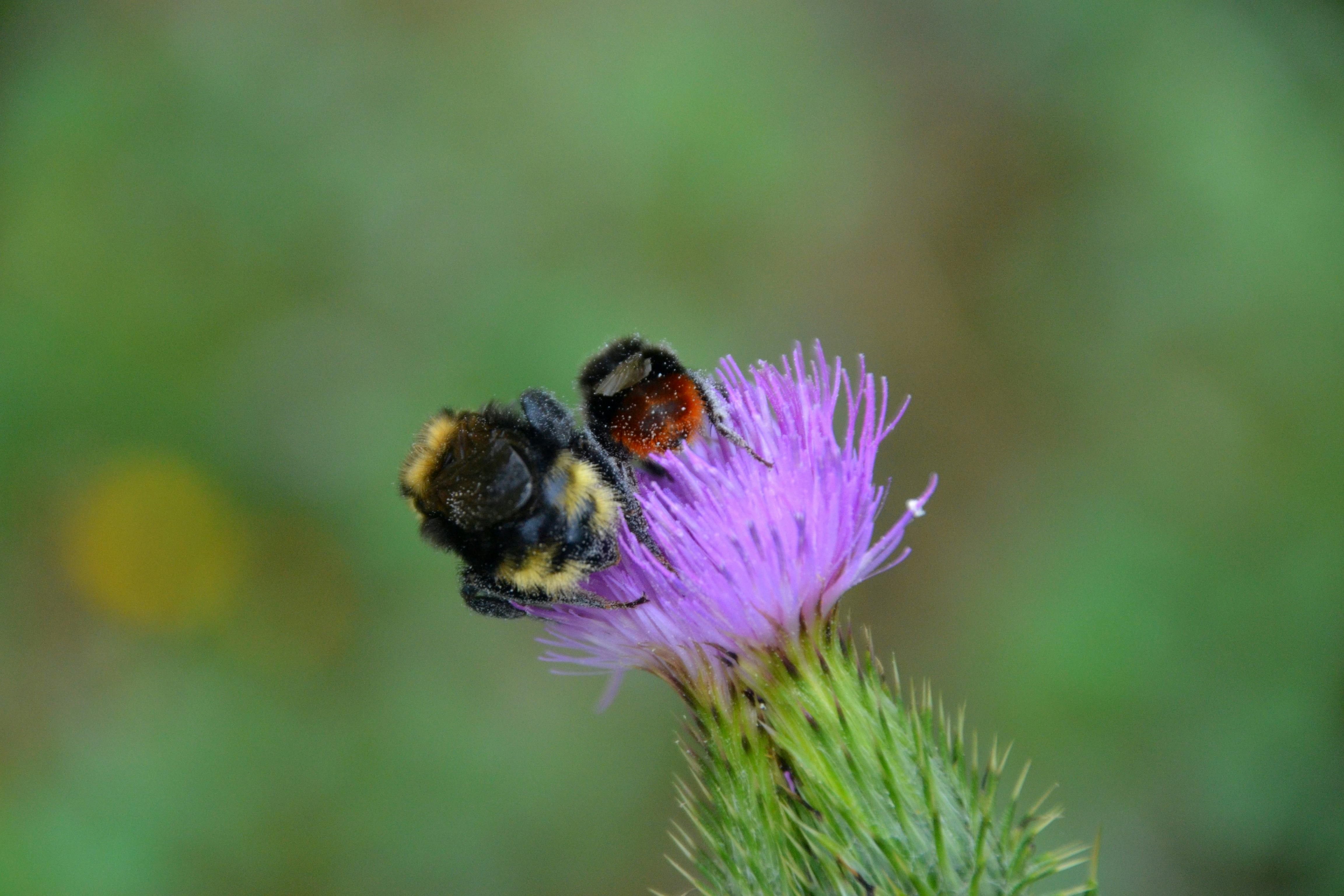
Environmental scientists have uncovered a concerning disparity in how different bee species interact with pollution: bumblebees are collecting significantly higher concentrations of toxic heavy metals – up to seven times more – compared to honeybees, even when both species forage for nectar and pollen in identical locations. This hidden burden of pollution, say researchers, could severely impair the bumblebees' ability to locate food, reproduce effectively, and maintain healthy colonies, adding a critical new dimension to the challenges facing global bee populations.
WHO ARE THE KEY PLAYERS
At the heart of this issue are **Bumblebees**, larger, hairy insects known for their distinctive buzzing sound and their crucial role as pollinators, especially in cooler climates and for certain crops. They are highly efficient at transferring pollen, aiding in the reproduction of many plants. **Honeybees**, on the other hand, are highly social insects famous for producing honey and beeswax, and are extensively managed globally for agricultural pollination. Both are vital to ecosystems and food security. The **researchers** involved in this study are environmental scientists or ecologists, typically affiliated with academic institutions or research bodies, whose work focuses on understanding environmental health and its impact on biodiversity. Finally, **Leverage On Heroes Media** is reporting on these findings, aiming to inform the public about critical environmental issues.
UNDERSTANDING THE LOCATION
The study suggests that the accumulation of these toxic metals occurs in diverse **foraging grounds** – essentially, any area where bees collect nectar and pollen from flowers. This includes vast agricultural lands, urban parks, gardens, and natural wildernesses. The critical finding is that even in the *same* specific locations, be it a community garden in Lagos or a farmland in Kano, bumblebees consistently pick up more contaminants. This implies that the source of these metals is widespread, emanating from industrial activities, vehicle emissions, agricultural practices, and waste disposal, making virtually any environment a potential risk zone for these pollinators.
BACKGROUND AND CONTEXT
Pollinators, including bees, are fundamental to the reproduction of over 75% of the world's food crops and nearly 90% of wild flowering plants. In Nigeria, like globally, their decline poses a significant threat to food security and biodiversity. Historically, concerns about bee health have focused on habitat loss, the widespread use of pesticides (like neonicotinoids), and the impacts of climate change. This new discovery about heavy metal accumulation introduces another, perhaps more insidious, layer to these existing threats. Heavy metal pollution has been a known environmental problem, often linked to human industrialization and urbanization, but its differential impact on specific pollinator species, even within shared environments, represents a critical new area of study for environmental conservation efforts.
EXPLAINING IMPORTANT REFERENCES
**Toxic heavy metals** refer to naturally occurring metallic elements like lead, cadmium, arsenic, and mercury, which become poisonous in high concentrations. They are often by-products of industrial processes, mining, burning fossil fuels, and vehicle exhaust. When released into the environment, they can contaminate soil, water, and plants. **Pollination** is the process by which pollen is transferred from the male reproductive part of a plant to the female part, enabling fertilization and the production of seeds and fruits. Bees are primary agents of this process. **Foraging** is the act of searching for and gathering food; for bees, this primarily involves collecting nectar (for energy) and pollen (for protein and nutrients) from flowers. Finally, **colony health** refers to the overall well-being of a bee colony, encompassing its population size, reproductive success, ability to fight off diseases, and capacity to store adequate food reserves for survival, especially during lean seasons.
IMPACT ANALYSIS
This finding has profound implications for environmental health and food systems. Ecologically, if bumblebee populations decline due to metal toxicity, it could lead to reduced pollination services for numerous wild plants and crops, potentially altering entire ecosystems. Agriculturally, specific crops heavily reliant on bumblebee pollination, such as tomatoes, peppers, and various berries, could see reduced yields, impacting farmers' livelihoods and potentially raising market prices for consumers. For instance, a farmer in Benue State relying on natural pollination for their tomato harvest might see a noticeable drop. Economically, the cost of replacing natural pollination through artificial means or managing declining yields could be substantial. The silent nature of this pollution makes it particularly dangerous, as the damage might be widespread before it becomes overtly visible, challenging our current environmental monitoring strategies.
WHAT HAPPENS NEXT
Moving forward, urgent action and further investigation are needed. Researchers will likely broaden their studies to understand the specific sources of these heavy metals in different regions and how various bee species interact with them. Policymakers, particularly environmental protection agencies, may need to reassess industrial emission standards and waste management protocols, especially in areas vital for agriculture. Public awareness campaigns will be crucial to inform communities about the interconnectedness of pollution and pollinator health. Furthermore, conservationists will need to integrate heavy metal monitoring into their strategies for protecting bee habitats, ensuring that efforts to create bee-friendly environments are not undermined by unseen chemical threats.
HERO PERSPECTIVE
Leverage On Heroes Media believes that true heroism lies not only in grand gestures but also in the vigilant protection of the unseen forces that sustain our world. The silent accumulation of toxic metals in bumblebees is a stark reminder that environmental threats are often insidious, operating beneath the radar of public consciousness. Our editorial stance is clear: we must champion proactive environmental stewardship, demand greater accountability from industries, and empower communities with the knowledge to safeguard our vital natural assets. Protecting our pollinators is not merely an ecological choice; it is an investment in our collective future and a testament to our commitment to a healthier planet.
CLOSING
The revelation that bumblebees are disproportionately exposed to toxic heavy metals serves as a powerful call to action. It underscores the intricate web of life and the far-reaching consequences of human activity. As we strive for development, we must never lose sight of our responsibility to protect the very foundations of our ecosystems. The health of a tiny bumblebee, it turns out, is inextricably linked to the well-being of us all.