
HEADLINE
Spain and France Deploy Emergency Crews to Battle Raging Wildfires Driven by Extreme Heat
OPENING HOOK
As searing temperatures and dry winds fan the flames across Western Europe, emergency responders find themselves stretched to the limit trying to protect vulnerable communities from fast-moving forest fires.
WHAT HAPPENED
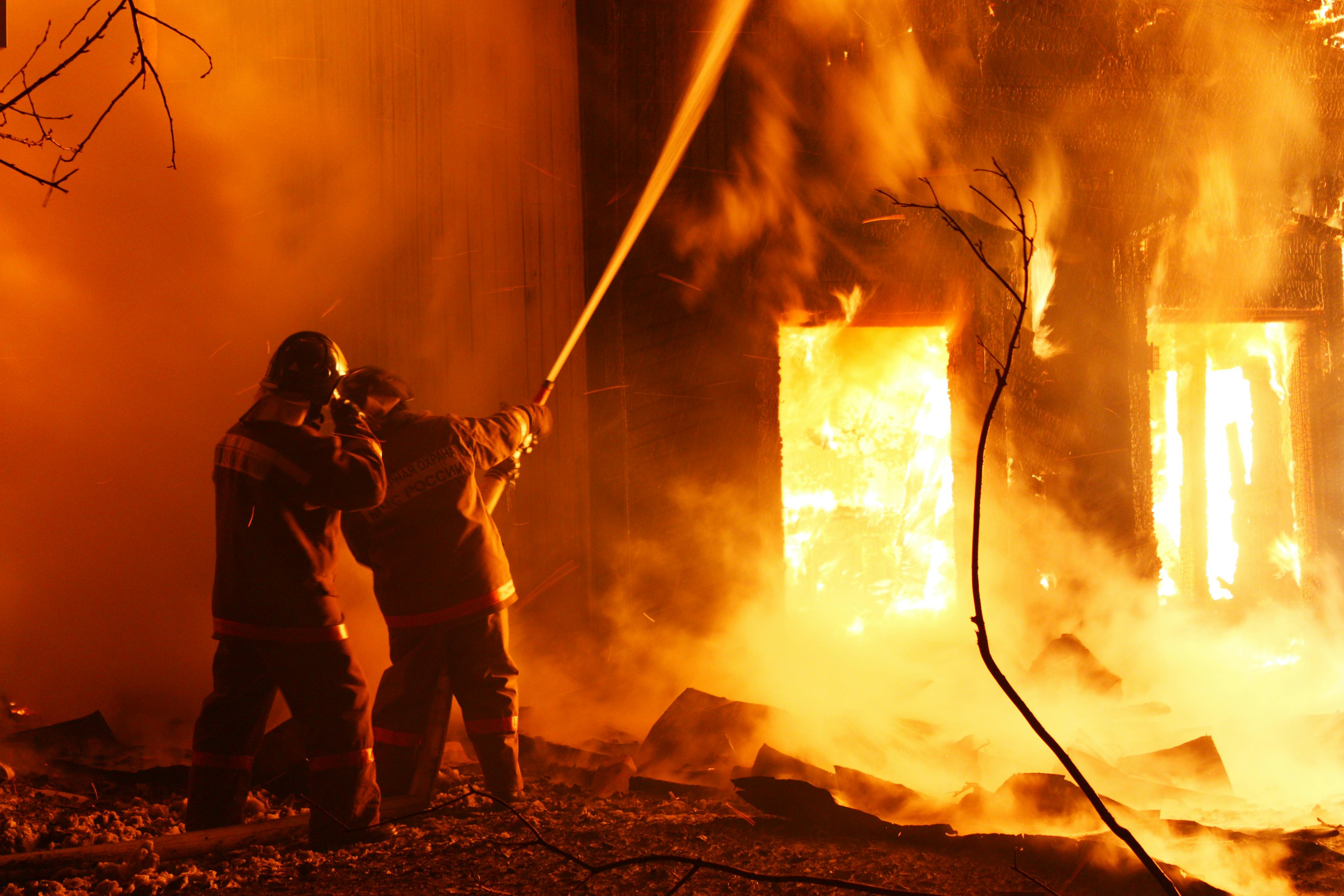
Firefighters and specialized military units in Spain and France are currently locked in intense battles against severe wildfires sweeping through wooded areas and threatening residential settlements. In Spain, footage captured the immense devastation in Cenicientos, located within the Madrid region, while military emergency personnel also deployed to Cuevas de Cañart in the country's north-east. Meanwhile, in south-west France, dozens of firefighters worked tirelessly to prevent flames from reaching homes near the towns of Saumos and Sainte-Hélène.
WHO ARE THE KEY PLAYERS
The primary actors in this unfolding crisis include Spain’s military emergency unit, known as the *Unidad Militar de Emergencia*, which provides rapid-response civil protection during national disasters. In France, local and regional professional and volunteer fire services are leading the containment efforts on the ground, backed by civil protection authorities coordinating evacuations and resource allocation.
UNDERSTANDING THE LOCATION
The affected locations span critical rural and semi-rural belts in southwestern Europe. Cenicientos is a municipality in the southwestern part of the Community of Madrid, Spain, characterized by dry terrain and dense woodland. Cuevas de Cañart sits in the rugged terrain of Spain's north-east. In France, Saumos and Sainte-Hélène are situated in the Gironde department within the Nouvelle-Aquitaine region of south-west France, an area historically vulnerable to forest fires due to its vast pine plantations and sandy soil.
BACKGROUND AND CONTEXT
Wildfires in Southern Europe have become an increasingly recurrent and dangerous phenomenon during the summer months, exacerbated by long-term shifts in global climate patterns. Extended periods of drought, combined with record-breaking heatwaves that regularly push temperatures past 40 degrees Celsius, create tinderbox conditions across the Mediterranean and Atlantic coasts. Governments across the region have had to upgrade their disaster response frameworks to cope with fires that burn faster and hotter than historical averages.
EXPLAINING IMPORTANT REFERENCES
In emergency management terminology, wildfire virulence refers to the extreme intensity, speed, and destructive capacity of a fire, often driven by low humidity, dry vegetation, and strong winds. Military emergency units are specialized branches of armed forces trained specifically to assist civilian populations during natural disasters such as floods, earthquakes, and major fires, bringing heavy machinery and logistical support that local fire departments lack.
IMPACT ANALYSIS
These raging fires pose an immediate danger to human life, local infrastructure, and rural livelihoods, forcing emergency evacuations and disrupting daily activities. For agricultural and forestry economies in these regions, the destruction of timber and grazing land translates to long-term financial losses. Furthermore, thick smoke plumes drift across borders and populated zones, posing serious public health risks, particularly for individuals with respiratory conditions.
WHAT HAPPENS NEXT
Fire crews will maintain high alert statuses as meteorological agencies predict the continuation of high temperatures and dry winds in the affected zones. Authorities will likely review their early-warning systems and reinforce preventative measures, such as controlled burns and clearing firebreaks, to mitigate future risks as the dry season persists.
HERO PERSPECTIVE
The deployment of Spain's military emergency unit to Cenicientos and Cuevas de Cañart underscores the severe strain placed on civil defense networks by escalating climate pressures. With local fire crews facing unprecedented virulence near Saumos and Sainte-Hélène, the crisis highlights the critical necessity of heavily resourced, rapid-response infrastructure to safeguard vulnerable European communities.
CLOSING
As climate-induced extreme weather events continue to test the limits of modern emergency response, the coordinated efforts of firefighters and military personnel remain Europe's primary line of defense against catastrophic environmental loss.