
HEADLINE
U.S. Electric Vehicle Market Undergoes Major Shift as Honda Prologue Joins List of Discontinued Models
OPENING HOOK
The landscape of the American electric vehicle market is undergoing a notable transformation, as several models struggle to find sustained traction amidst evolving consumer demands and intense competition. This period of adjustment is prompting automakers to rethink their strategies in the race for electric mobility.
WHAT HAPPENED
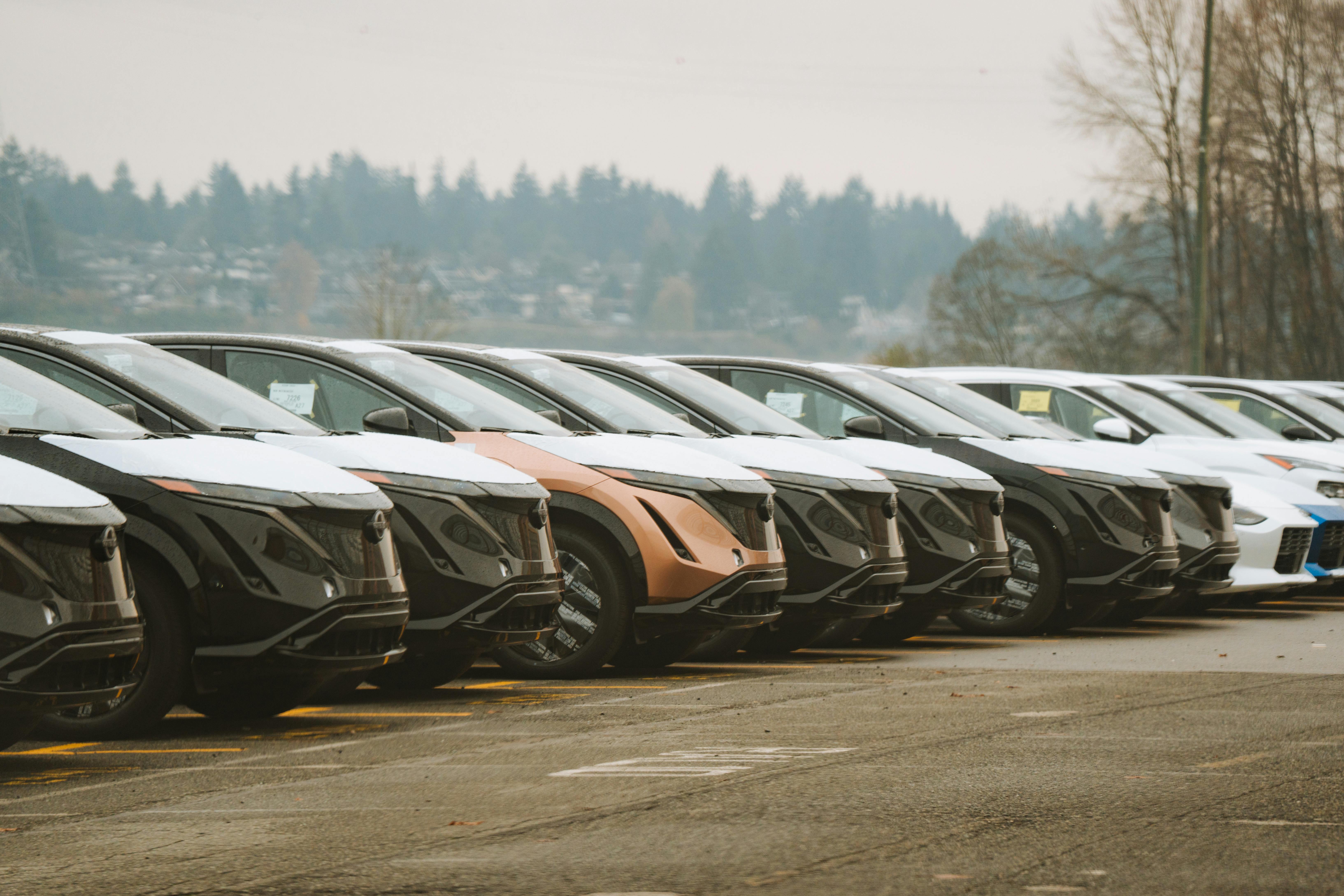
The Honda Prologue, a relatively recent entrant into the electric vehicle segment, will no longer be available for sale in the United States. This decision places the Prologue among a growing number of electric vehicle models that have been phased out of the U.S. market this year, signaling a period of recalibration for automakers in the burgeoning EV sector.
WHO ARE THE KEY PLAYERS
- **Honda:** A Japanese multinational conglomerate corporation primarily known as a manufacturer of automobiles, motorcycles, and power equipment. Globally recognized for its engineering and reliability, Honda has been working to expand its presence in the electric vehicle market, with the Prologue being a key part of that initial strategy for North America.
- **The U.S. Automotive Market:** One of the world's largest and most competitive automotive markets, characterized by diverse consumer preferences, stringent emissions regulations, and a strong push towards electrification. Decisions made by manufacturers regarding vehicle sales in the U.S. often reflect global market trends and strategic shifts.
UNDERSTANDING THE LOCATION
The **United States of America** is a vast country with a highly developed economy and a significant automotive culture. Its diverse geography and varying consumer needs, from urban dwellers to rural populations, present unique challenges and opportunities for electric vehicle adoption, particularly concerning charging infrastructure and vehicle range capabilities.
BACKGROUND AND CONTEXT
The push for electric vehicles (EVs) gained significant momentum globally over the past decade, driven by environmental concerns, government incentives, and technological advancements. Automakers invested billions in developing new EV models, anticipating a rapid transition away from traditional petrol-powered cars. However, the market has proven to be more complex than initially projected. While overall EV sales continue to grow, the pace of adoption has slowed in some segments, and consumers have shown a preference for specific types of EVs, often favoring larger SUVs and trucks. This has led to a crowded market where not all models can sustain profitability or meet sales targets, prompting manufacturers to make tough decisions about their product lineups.
EXPLAINING IMPORTANT REFERENCES
- **Electric Vehicles (EVs):** These are automobiles that are powered entirely or in part by electricity, using one or more electric motors for propulsion. Unlike conventional vehicles that run on petrol or diesel, EVs rely on rechargeable battery packs, contributing to reduced tailpipe emissions. Their adoption is a key component of global efforts to combat climate change.
- **Honda Prologue:** This was Honda's first mass-market battery-electric SUV designed specifically for the North American market. It was developed in collaboration with General Motors, leveraging GM's Ultium battery platform and technology. Its discontinuation highlights the challenges even established automakers face in penetrating the competitive EV space.
- **Discontinued or Killed Off:** In the automotive industry, this term refers to a vehicle model being removed from production and sales. Reasons can vary, including poor sales performance, strategic shifts by the manufacturer, or the introduction of a successor model that renders the older one redundant. It means the model will no longer be available for purchase new.
IMPACT ANALYSIS
The discontinuation of the Honda Prologue and other electric vehicle models carries several implications. For consumers, it could lead to reduced choice in certain segments, though it also signals a market correction towards more successful or strategically aligned models. Owners of discontinued vehicles might face concerns regarding resale value and long-term parts availability, though manufacturers typically ensure support for a reasonable period. For automakers like Honda, it represents a learning curve in the highly competitive EV market. It underscores the difficulty of predicting consumer preferences and the necessity of robust product differentiation. This trend suggests that the EV market is maturing, moving from an initial phase of rapid expansion to one where viability and profitability are paramount, pushing manufacturers to be more strategic with their investments and product launches.
WHAT HAPPENS NEXT
Looking ahead, the U.S. electric vehicle market is likely to see continued consolidation and strategic adjustments. Other manufacturers might follow suit, reviewing their less successful EV offerings. We can anticipate a greater focus on models that resonate strongly with consumer demand, particularly in popular segments like SUVs and pick-up trucks. Innovation in battery technology, charging infrastructure, and vehicle range will remain critical. Automakers will also continue to lobby for government incentives and policies that support EV adoption, such as those promoting charging station development. Honda, for its part, will undoubtedly re-evaluate its EV strategy for the U.S. market, potentially focusing on new models or different approaches to electrification.
HERO PERSPECTIVE
Leverage On Heroes Media believes that the evolving electric vehicle market, while presenting challenges for individual models, ultimately reflects a necessary phase of refinement. It underscores the importance for manufacturers to not just innovate, but to truly understand and meet consumer needs and economic realities. For consumers, it highlights the need for informed decisions, knowing that the journey towards sustainable mobility is one of continuous adaptation and progress, not just immediate adoption. This market correction is a sign of a maturing industry finding its footing, pushing for better, more viable solutions.
CLOSING
As the global push for sustainable transportation continues, the lessons learned from these market shifts will undoubtedly shape the next generation of electric vehicles and the strategies of the companies bringing them to the road. The journey towards a fully electrified automotive future remains on course, albeit with more strategic navigation.