
HEADLINE
Why Ponds Deserve Their Own Special Laws to Protect Biodiversity
OPENING HOOK
While massive rivers and deep oceans grab all the headlines for pollution and conservation, tiny backyard ponds quietly hold some of the richest pockets of natural life on earth.
WHAT HAPPENED
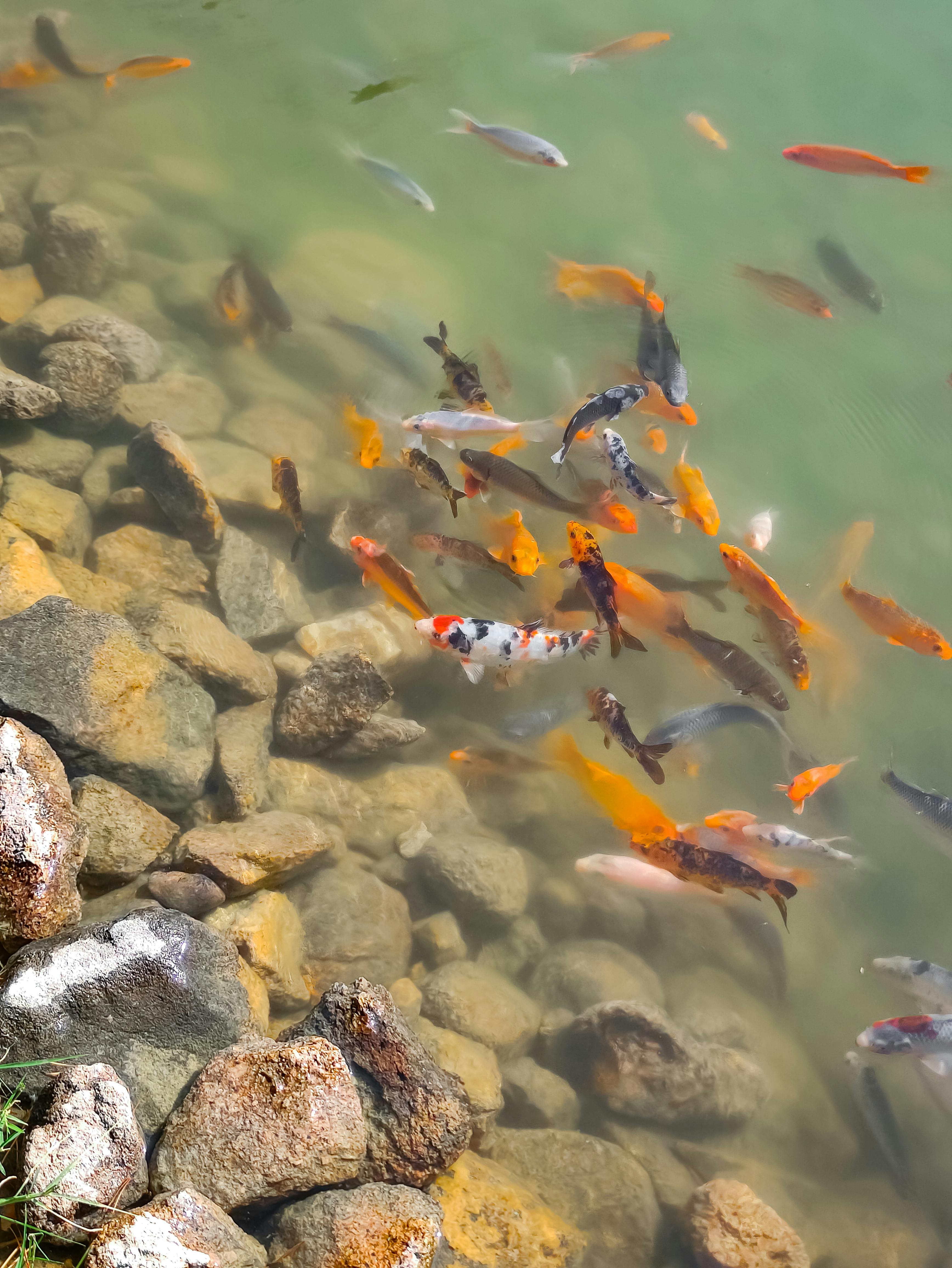
Environmental commentators are pushing for a dedicated legal framework to safeguard small freshwater ponds, arguing that current conservation laws largely ignore them in favor of larger water bodies. Despite serving as crucial homes for frogs, newts, small fish, and rare wetland plants, these small pools remain largely unprotected against environmental degradation.
WHO ARE THE KEY PLAYERS
This conservation discourse involves environmental scientists, freshwater ecologists, nature hobbyists, and policy makers. Scientists study how these small habitats act as stepping stones for wildlife, while hobbyists and local community groups often maintain them in gardens and public parks.
UNDERSTANDING THE LOCATION
While the push for pond protection originates primarily from British environmental debates, the issue resonates globally. In places like Nigeria, small natural and artificial water bodies play critical roles in local ecosystems, supporting agriculture, livestock watering, and localized biodiversity despite competing human pressures.
BACKGROUND AND CONTEXT
Historically, environmental laws focus heavily on high-profile water resources like major rivers, lakes, and coastal shorelines. Smaller aquatic habitats have traditionally been viewed as minor features or private property, leaving them vulnerable to urban development, agricultural runoff, and neglect without regulatory oversight.
EXPLAINING IMPORTANT REFERENCES
Biodiversity refers to the variety of plant and animal life in a particular habitat. Freshwater havens are isolated or semi-isolated aquatic environments that provide safe breeding grounds for species that cannot survive in fast-flowing rivers or heavily polluted seas.
IMPACT ANALYSIS
Without legal protection, ponds face continuous threats from land clearing, pollution, and climate change. Protecting these small water bodies helps maintain regional ecological balance, supports pollinators, and preserves endangered plant species that depend on calm, shallow waters.
WHAT HAPPENS NEXT
Advocates hope that raising awareness will prompt lawmakers to draft specific environmental statutes recognizing ponds as vital ecological assets, potentially introducing planning restrictions and conservation grants for landowners.
HERO PERSPECTIVE
At Leverage On Heroes Media, our editorial angle champions grassroots environmental stewardship. We believe that protecting the smallest natural habitats is just as heroic and essential for our collective planetary future as managing large-scale national resources.
CLOSING
As environmental policies continue to evolve globally, recognizing the hidden value of small ponds may well prove to be a turning point in modern conservation strategy.