
HEADLINE
Alberta Experiences Surge in 'Skeeter Syndrome' as Mosquito Populations Explode
OPENING HOOK
The serene landscapes of Alberta, a prominent province in Canada, are currently grappling with an unexpected and unsettling public health concern: an alarming increase in severe allergic reactions to mosquito bites, locally termed 'Skeeter syndrome,' which is now straining emergency medical services, particularly for children.
WHAT HAPPENED
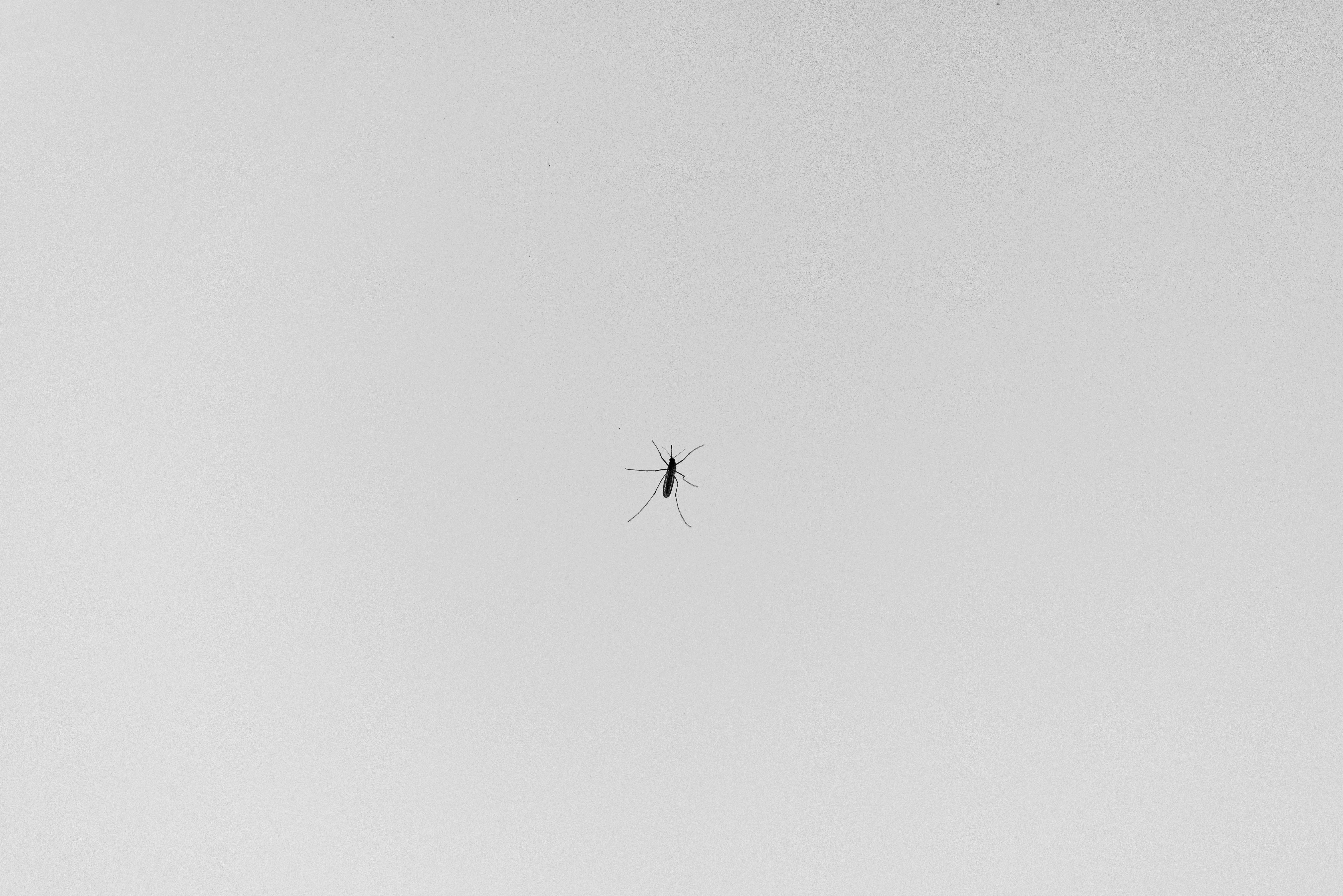
Alberta is witnessing a significant boom in its mosquito populations, far beyond typical seasonal increases. This surge is directly linked to a noticeable rise in 'Skeeter syndrome' cases, a condition characterized by intense, localized allergic reactions to mosquito bites. Health officials report a marked uptick in emergency room visits, with young children being disproportionately affected by these severe reactions, often requiring medical intervention.
WHO ARE THE KEY PLAYERS
The primary entities involved in this unfolding situation include the **public health authorities of Alberta**, responsible for monitoring and responding to health crises. **Healthcare providers** across the province, especially those in emergency departments, are on the front lines managing the influx of patients. The **residents of Alberta**, particularly parents and guardians of young children, are directly impacted. Environmental factors, such as **local weather patterns and ecological conditions**, play a crucial role in the proliferation of mosquito populations.
UNDERSTANDING THE LOCATION
Alberta is one of Canada's thirteen provinces and territories, located in the western part of the country. Known for its vast prairies, majestic Rocky Mountains, and significant oil and gas industry, it is a region that experiences distinct seasons. Its diverse geography includes numerous wetlands and bodies of water, which are natural breeding grounds for mosquitoes. The province's climate, with its warm summers and varying precipitation levels, often dictates the intensity of insect activity.
BACKGROUND AND CONTEXT
Mosquitoes are a common nuisance globally, but their populations can fluctuate significantly based on environmental conditions. Factors like warmer temperatures, increased rainfall, and standing water create ideal breeding environments. 'Skeeter syndrome' is not a new phenomenon; it is a severe, localized allergic reaction to proteins in mosquito saliva, distinct from a typical itchy bite. While most people experience mild irritation, those with Skeeter syndrome develop large areas of swelling, redness, pain, and sometimes blistering, which can be alarming and debilitating, especially for children whose immune systems may react more strongly or who may scratch bites more aggressively, leading to secondary infections.
EXPLAINING IMPORTANT REFERENCES
**'Skeeter syndrome'** is the informal term for a severe local allergic reaction to mosquito bites. Unlike a regular mosquito bite that causes a small, itchy bump, Skeeter syndrome manifests as large, swollen, red areas that can be painful, warm to the touch, and sometimes accompanied by blisters or bruising. It is caused by an individual's heightened immune response to proteins in mosquito saliva. A **'mosquito population boom'** refers to an unusually high and rapid increase in the number of mosquitoes in a given area, often driven by favorable environmental conditions like prolonged periods of warmth and increased standing water for breeding. This boom amplifies the risk of bites and, consequently, severe reactions.
IMPACT ANALYSIS
The escalating cases of Skeeter syndrome are placing considerable pressure on Alberta's healthcare system, particularly on emergency rooms which are already managing various health concerns. Beyond the immediate strain on medical resources, there are broader implications for public health and quality of life. Children, being more susceptible and often spending more time outdoors, face increased discomfort, potential for secondary infections from scratching, and disruption to daily activities. For the wider population, the pervasive presence of mosquitoes can diminish enjoyment of outdoor spaces, impact local tourism, and potentially raise concerns about the transmission of other mosquito-borne illnesses, although the current focus is on allergic reactions. The economic impact could include increased healthcare costs and reduced participation in outdoor economic activities.
WHAT HAPPENS NEXT
Alberta's public health authorities are expected to continue monitoring mosquito populations and Skeeter syndrome incidence closely. Public advisories are likely to intensify, emphasizing preventive measures such as using insect repellents, wearing protective clothing, and eliminating standing water around homes. Healthcare providers will need to remain vigilant in diagnosing and treating severe reactions. There might be increased calls for more extensive mosquito control programs, which could include larvicides or adulticides, though such measures require careful environmental consideration. Research into the specific environmental factors driving this boom will be crucial for developing long-term strategies.
HERO PERSPECTIVE
Leverage On Heroes Media believes this situation in Alberta underscores a critical need for proactive public health engagement and environmental stewardship. It highlights how seemingly minor ecological shifts can have significant consequences for human well-being, particularly for our most vulnerable – our children. Our editorial stance champions the power of community vigilance, informed decision-making by health authorities, and sustainable environmental practices to mitigate such challenges. We advocate for robust public education campaigns, accessible healthcare, and continued scientific research to understand and adapt to changing environmental dynamics, ensuring communities can thrive even in the face of evolving natural threats.
CLOSING
As Alberta navigates this surge in mosquito-related health issues, the focus remains on protecting its citizens, especially children, through a combination of personal vigilance, responsive healthcare, and strategic public health interventions. The situation serves as a potent reminder of the intricate balance between human activity and the natural world, and the continuous need for adaptive public health strategies.