
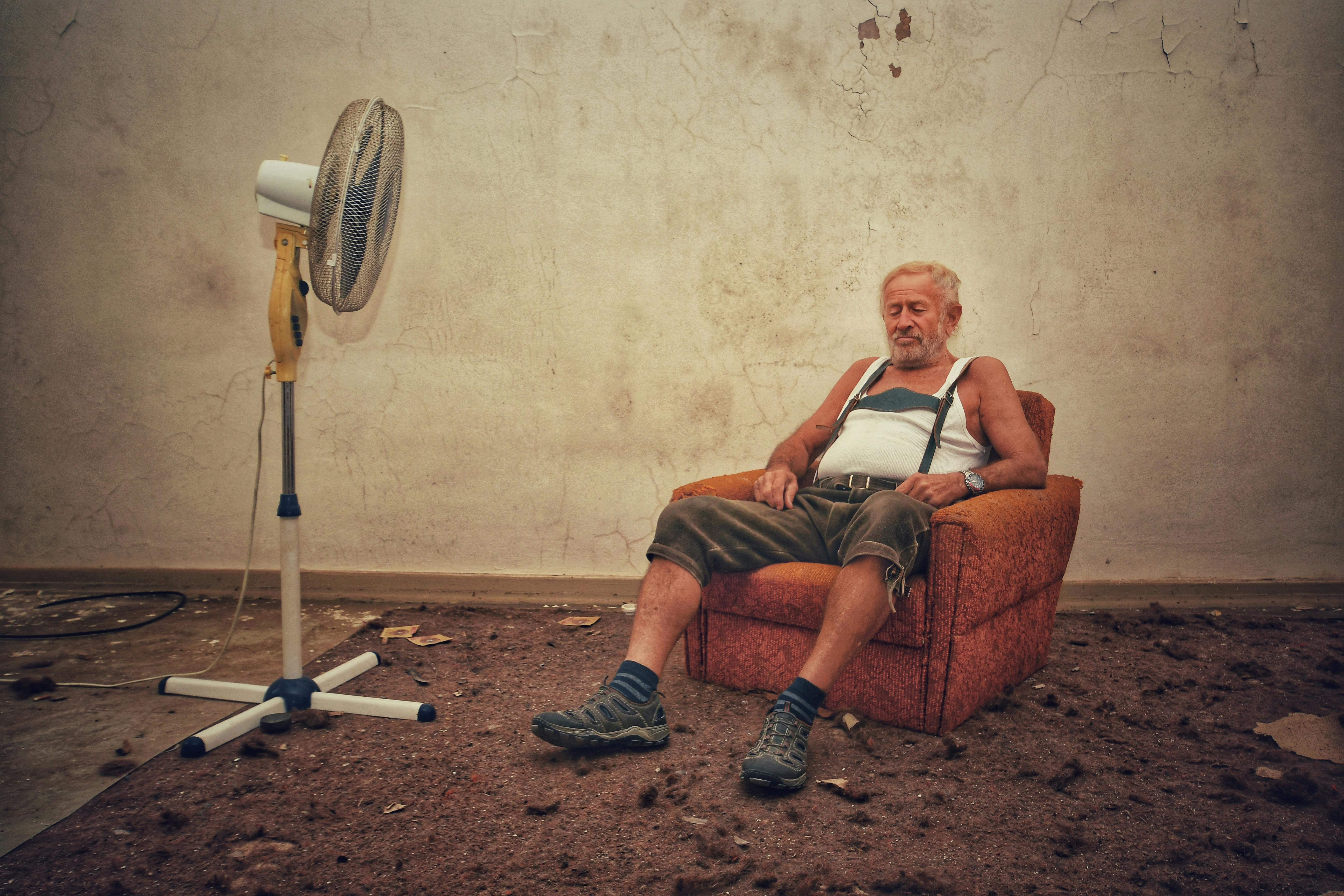
HEADLINE
Beating the Heat: How Everyday Citizens Stay Cool Without Air Conditioning
OPENING HOOK
When soaring temperatures make indoor spaces feel like a furnace, the traditional electric cooling machine becomes a luxury many cannot afford to run constantly, forcing communities to look for alternative ways to survive the swelter.
WHAT HAPPENED
In response to intense heatwaves, everyday readers shared practical, low-cost home remedies and lifestyle adjustments they use to lower their body temperatures and cool their living spaces without turning on a refrigerant-based cooling system. These crowd-sourced strategies focus on natural airflow, hydration management, and clever use of household items to achieve relief from oppressive weather.
WHO ARE THE KEY PLAYERS
Everyday readers and households participating in public lifestyle forums serve as the primary contributors to this compilation of survival tactics. Their collective experiences provide a real-world look at how communities adapt to extreme environmental conditions.
UNDERSTANDING THE LOCATION
This lifestyle challenge is a universal experience, affecting urban and rural neighborhoods alike where soaring ambient temperatures strain public power grids and inflate household electricity bills.
BACKGROUND AND CONTEXT
Rising global temperatures and frequent power grid strain have made energy-efficient cooling a major public health concern. Historically, communities relied on architectural design, cross-ventilation, and portable fans rather than mechanical cooling units to manage seasonal heat.
EXPLAINING IMPORTANT REFERENCES
A refrigerant-based cooling system, commonly known as an air conditioner, draws warm indoor air, passes it over cold liquid chemicals to absorb the heat, and blows the chilled air back into the room. This process consumes a significant amount of electricity, making it costly during peak tariff periods.
IMPACT ANALYSIS
Adopting low-tech cooling methods significantly reduces household electricity expenses, easing the financial burden on families struggling with high energy tariffs. However, these methods may offer limited relief during severe, prolonged heatwaves where ambient temperatures remain dangerously high day and night.
WHAT HAPPENS NEXT
As climate patterns shift toward warmer averages, urban planners and architects are expected to emphasize natural ventilation and heat-resistant building materials in future housing developments to help residents maintain comfortable indoor temperatures passively.
HERO PERSPECTIVE
When public forums gather practical adaptation strategies from everyday readers, it highlights the ingenuity communities employ during severe weather challenges. These shared domestic tactics offer immediate, accessible relief while wider discussions on sustainable urban energy continue.
CLOSING
Finding relief from extreme heat does not always require expensive technology; often, simple adjustments rooted in traditional cooling wisdom can protect comfort and health during the hottest months of the year.