
HEADLINE
Beyond the Canine Nose: How Artificial Intelligence is Revolutionizing Scent Detection
OPENING HOOK
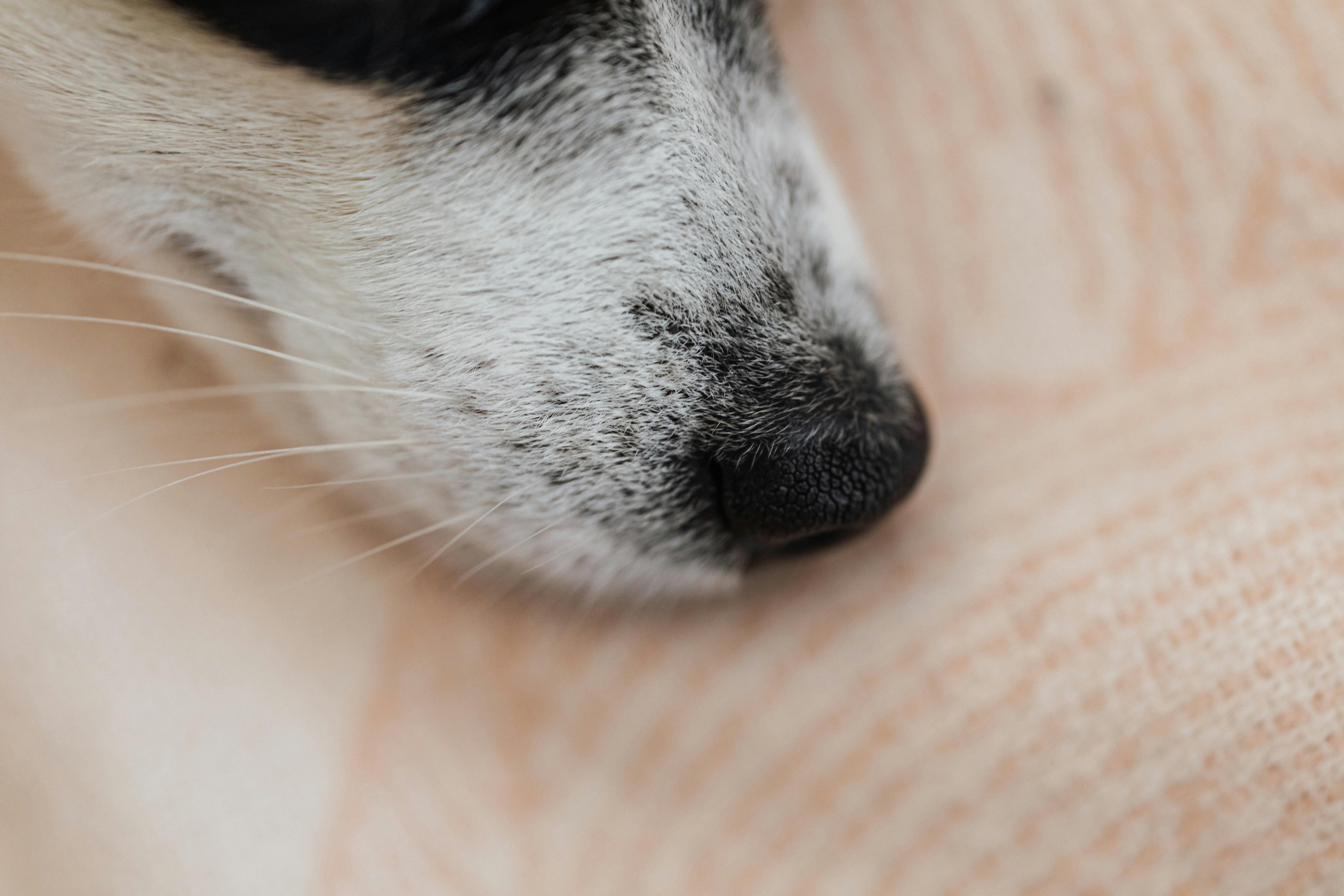
For centuries, dogs have been humanity's most reliable partners in scent detection, from sniffing out contraband to locating missing persons. Now, cutting-edge technological advancements are paving the way for machines to replicate, and potentially surpass, this incredible biological feat, promising a new era of 'e-noses' that could redefine various aspects of life and security in Nigeria.
WHAT HAPPENED
Across various research institutions and technology firms globally, significant progress is being made in the field of machine olfaction – essentially, teaching computer systems to 'smell' and identify complex odours. This involves developing sophisticated sensors and applying advanced artificial intelligence (AI) and machine learning algorithms to interpret chemical signatures, much like a dog's nose processes scents. The goal is to create devices capable of detecting a wide array of substances with high accuracy and speed, without the limitations inherent in biological detection methods.
WHO ARE THE KEY PLAYERS
The development of this technology is driven by a diverse group of players. Leading academic institutions worldwide, particularly in fields like material science, chemistry, and computer science, are at the forefront of fundamental research. Tech giants and specialised startups are investing heavily in commercialising these innovations, developing prototypes for specific applications. In Nigeria, while local research is nascent, government agencies like the National Drug Law Enforcement Agency (NDLEA), the National Agency for Food and Drug Administration and Control (NAFDAC), and even the Nigerian Customs Service could become key adopters and potentially collaborators in tailoring these technologies to local challenges. Furthermore, health ministries and research institutes would be crucial in deploying such systems for medical diagnostics.
UNDERSTANDING THE LOCATION
While the primary research and development hubs for machine olfaction are predominantly in North America, Europe, and parts of Asia, the implications and potential applications are truly global. For a country like Nigeria, with its vast borders, bustling ports, and diverse industrial landscape, the deployment of such technologies could have transformative effects. Imagine advanced scent detectors at Lagos' Apapa port, screening cargo for illicit goods, or at Nnamdi Azikiwe International Airport in Abuja, identifying narcotics with unprecedented efficiency. This technology could also find utility in agricultural zones across the geopolitical zones, from detecting crop diseases in the North-West to identifying spoiled produce in markets in the South-South.
BACKGROUND AND CONTEXT
The concept of using scent for detection is ancient, with dogs being trained for tasks ranging from hunting to warfare for thousands of years. In modern times, their unparalleled olfactory abilities have been harnessed for security, search and rescue, and even medical detection. However, biological detectors like dogs have limitations: they require extensive training, can suffer fatigue, are susceptible to environmental factors, and cannot provide quantitative data. The pursuit of artificial olfaction began decades ago, but it is the recent explosion in AI capabilities, coupled with advancements in sensor technology, that has brought the vision of reliable electronic noses closer to reality. This technological leap represents an evolution from rudimentary gas sensors to complex systems capable of distinguishing subtle scent profiles.
EXPLAINING IMPORTANT REFERENCES
At the heart of this innovation are several key concepts. **Machine learning** refers to computer algorithms that improve automatically through experience. In this context, machines are 'trained' by being exposed to vast datasets of chemical signatures associated with specific odours, learning to recognise patterns without explicit programming. **Artificial Intelligence (AI)** is the broader field encompassing machine learning, aiming to create machines capable of intelligent behaviour. **Sensors** are devices that detect and respond to chemical or physical inputs from the environment. In machine olfaction, these are often highly sensitive chemical sensors designed to react to specific volatile organic compounds (the tiny particles that make up a scent). When these sensors detect a chemical, they convert it into an electrical signal, which the AI then interprets. **Olfaction** simply refers to the sense of smell.
IMPACT ANALYSIS
The potential impact of advanced machine olfaction in Nigeria is immense. In **security**, it could revolutionise efforts against drug trafficking by the NDLEA, detect explosives, and identify counterfeit products, reducing the burden on human and canine units. For **healthcare**, 'e-noses' could provide early, non-invasive diagnosis of diseases like certain cancers or diabetes by detecting specific biomarkers in breath or bodily fluids, potentially transforming rural healthcare access where sophisticated diagnostic equipment is scarce. In **agriculture**, these systems could detect plant diseases, pest infestations, or food spoilage early, significantly reducing post-harvest losses which are a major challenge for farmers across the country. Industrially, they could monitor air quality, detect gas leaks, and ensure product quality. The economic implications are substantial, potentially saving billions of naira currently lost to crime, disease, and waste.
WHAT HAPPENS NEXT
The path forward for machine olfaction involves continued research to enhance sensor sensitivity and selectivity, making them robust enough for real-world conditions. Investment in local research and development, potentially through collaborations between Nigerian universities and international tech firms, will be crucial for tailoring these solutions to specific Nigerian needs. Regulatory frameworks will need to be developed to govern the use of these technologies, particularly in sensitive areas like security and healthcare. Pilot programmes in key sectors, perhaps starting with port security or food safety, could demonstrate the technology's effectiveness and pave the way for wider adoption. As the technology matures, we can expect to see more compact, affordable, and versatile 'e-nose' devices entering the market.
HERO PERSPECTIVE
Leverage On Heroes Media believes that the advent of sophisticated machine olfaction presents a critical opportunity for Nigeria to leapfrog traditional challenges in security, public health, and economic development. By actively engaging with this emerging technology, investing in local capacity building, and fostering an environment for innovation, Nigeria can position itself not just as a consumer, but as a key player in adapting these advancements to solve its unique problems. The heroism lies in the foresight to embrace scientific progress for the betterment of the nation and its citizens, turning technological prowess into tangible improvements in safety, health, and prosperity.
CLOSING
From guarding our borders to protecting our health, the artificial nose is poised to become an indispensable tool. As this technology evolves, its integration into Nigeria's operational frameworks promises a future where the unseen world of scents can be precisely understood and leveraged for national progress.