
HEADLINE
Nigerian Healthcare Poised for Revolution as Self-Propelled Microparticles Offer Breakthrough in Wound and Instrument Cleaning
OPENING HOOK
In a significant leap forward for medical science, researchers at the University of Illinois Urbana-Champaign have unveiled a novel approach to tackling stubborn bacterial infections, a development that could dramatically improve patient outcomes and healthcare hygiene across Nigeria and beyond.
WHAT HAPPENED
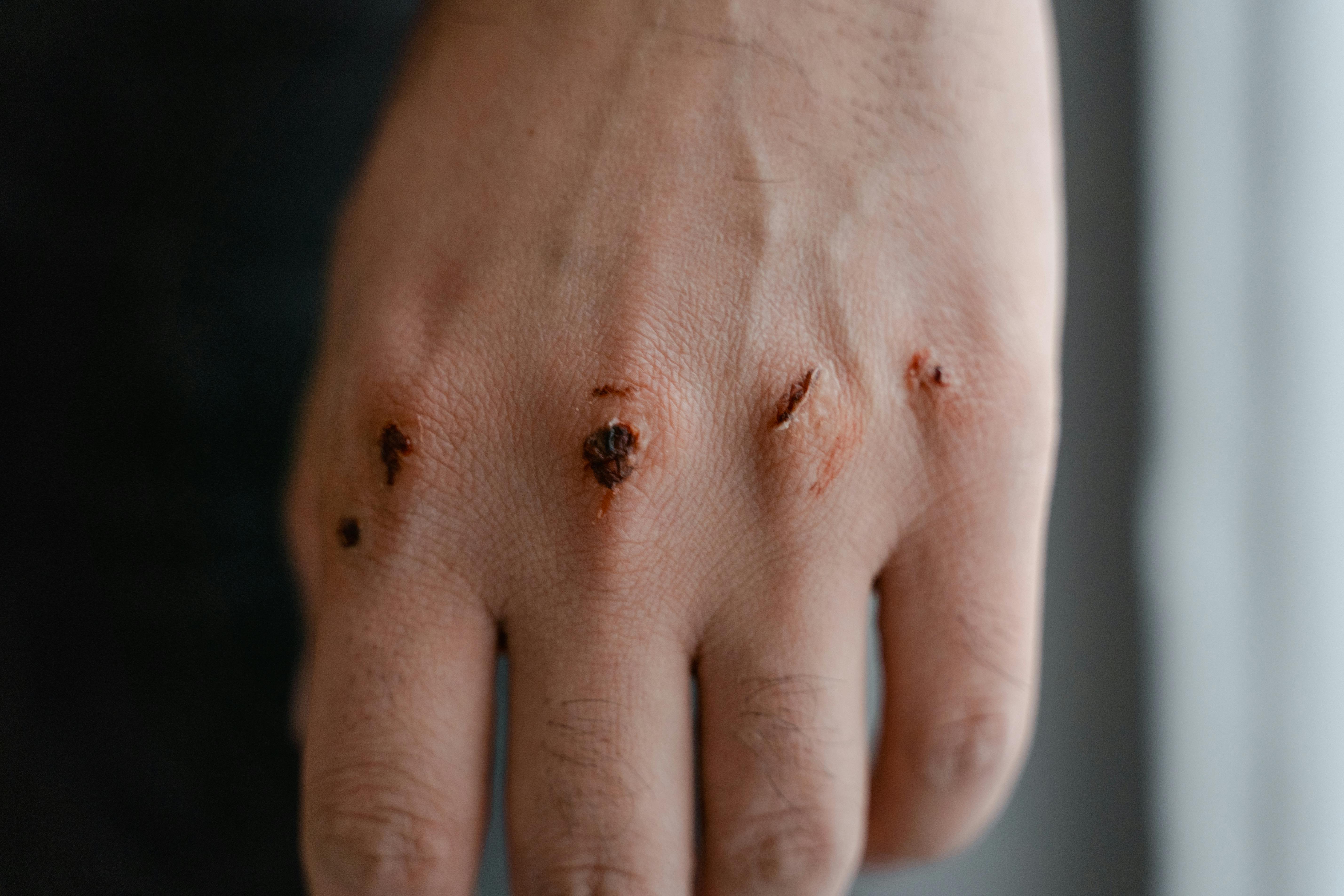
A new class of self-propelled microparticles has been developed, demonstrating remarkable efficacy in infiltrating and breaking down tenacious bacterial matrices, known as biofilms. These microscopic cleaners achieve their effect by releasing tiny oxygen bubbles, which effectively scrub surfaces and wounds. The researchers have published findings showcasing the particles' ability to clean surgical instruments more efficiently than conventional methods and, when integrated into bandages, to clean infected wounds and significantly accelerate the healing process. This innovation promises to surpass the effectiveness of traditional cleaning agents like hydrogen peroxide used alone.
WHO ARE THE KEY PLAYERS
The primary entity behind this groundbreaking research is the **University of Illinois Urbana-Champaign**, a prestigious public research university in the United States, globally recognized for its cutting-edge contributions in science, engineering, and medicine. The direct beneficiaries and future implementers of this technology include **medical professionals**—doctors, nurses, and surgeons—who stand to gain more effective tools for infection control. Ultimately, **patients** are the main beneficiaries, as the technology aims to reduce infection rates, speed recovery, and improve overall health outcomes.
UNDERSTANDING THE LOCATION
The **University of Illinois Urbana-Champaign** is located in Urbana and Champaign, Illinois, USA. It is the flagship institution of the University of Illinois System, known for its extensive research activities and academic excellence across numerous disciplines. Its robust scientific infrastructure and commitment to innovation provide the fertile ground for such significant medical breakthroughs.
BACKGROUND AND CONTEXT
Bacterial biofilms pose a persistent and dangerous challenge in healthcare settings worldwide, including Nigeria. These complex communities of bacteria form protective slimy layers on surfaces, making them highly resistant to antibiotics and traditional disinfectants. They are a major cause of hospital-acquired infections (HAIs), which can lead to prolonged hospital stays, increased treatment costs, and even mortality. Current methods for cleaning surgical instruments and treating infected wounds, while essential, often struggle against these stubborn biofilms. This new microparticle technology offers a novel mechanical and chemical approach to directly disrupt and eliminate these resilient bacterial structures, addressing a long-standing unmet need in infection control.
EXPLAINING IMPORTANT REFERENCES
- **Microparticles:** These are extremely small, microscopic particles, often designed to deliver substances or perform specific functions at a cellular or molecular level. In this context, they are engineered to be self-propelled and release oxygen bubbles.
- **Biofilms:** Imagine a stubborn layer of gunk or slime that forms when bacteria stick to a surface and multiply. This protective layer makes the bacteria very difficult to kill with regular antibiotics or cleaning agents. Biofilms are a common problem on medical implants, catheters, and in chronic wounds.
- **Hydrogen Peroxide:** A common household antiseptic and disinfectant. It works by releasing oxygen, which can kill bacteria. While effective, it often struggles to penetrate the dense structure of biofilms on its own.
- **Surgical Instruments:** These are the specialized tools used by surgeons during operations. They must be meticulously sterilized to prevent the transmission of infections from one patient to another.
- **Wound Care:** This refers to the range of medical treatments and practices involved in cleaning, dressing, and promoting the healing of injuries to the skin or deeper tissues.
IMPACT ANALYSIS
The implications of this discovery for healthcare, particularly in Nigeria, are profound. By providing a more effective means of eliminating biofilms, the technology could drastically reduce the incidence of hospital-acquired infections, which remain a significant burden on Nigeria's healthcare system. For patients, this means faster healing of chronic wounds, fewer complications, and potentially shorter hospital stays, freeing up beds and resources. For hospitals, it could translate into lower costs associated with treating infections and improved patient safety records. The ability to thoroughly clean surgical instruments ensures a higher standard of sterilization, crucial for preventing infection transmission in operating theatres across all geopolitical zones. While the technology is still in its developmental phase, its potential to enhance public health is immense, offering a new frontier in the fight against antimicrobial resistance.
WHAT HAPPENS NEXT
The immediate next steps involve further rigorous testing and optimization of the microparticle technology. This will likely include extensive preclinical trials to confirm safety and efficacy across a wider range of bacterial strains and wound types. Following successful preclinical validation, the technology would need to undergo comprehensive clinical trials in humans. In Nigeria, regulatory bodies like the National Agency for Food and Drug Administration and Control (NAFDAC) would play a crucial role in evaluating and approving such innovations for clinical use. Successful commercialization would then follow, potentially leading to the development of new medical devices, sterilization solutions, and advanced wound dressings that incorporate these microparticles, making them available in pharmacies and hospitals.
HERO PERSPECTIVE
Leverage On Heroes Media views this scientific breakthrough as a testament to humanity's relentless pursuit of solutions to complex health challenges. Our editorial angle emphasizes the critical importance of investing in scientific research and innovation that directly contributes to public health and patient well-being. We believe that such advancements, even if originating abroad, hold immense promise for improving the quality of life and healthcare outcomes for everyday Nigerians, underscoring the interconnectedness of global scientific progress and local societal benefit.
CLOSING
This development from the University of Illinois Urbana-Champaign represents a significant stride in the ongoing battle against persistent bacterial infections. As the world continues to grapple with the challenges of healthcare-associated infections and antimicrobial resistance, these self-propelled microparticles offer a beacon of hope, promising a future with cleaner instruments, faster-healing wounds, and ultimately, healthier lives for all.