
HEADLINE
Federal Government Sounds Alarm: Drug Abuse Poses Grave Threat to Nigeria's Future Development
OPENING HOOK
The alarming rise in drug abuse and illicit trafficking across Nigeria is no longer a silent crisis. It is a loud and clear threat, one that the Federal Government has now officially acknowledged as a direct impediment to the nation's progress and stability.
WHAT HAPPENED
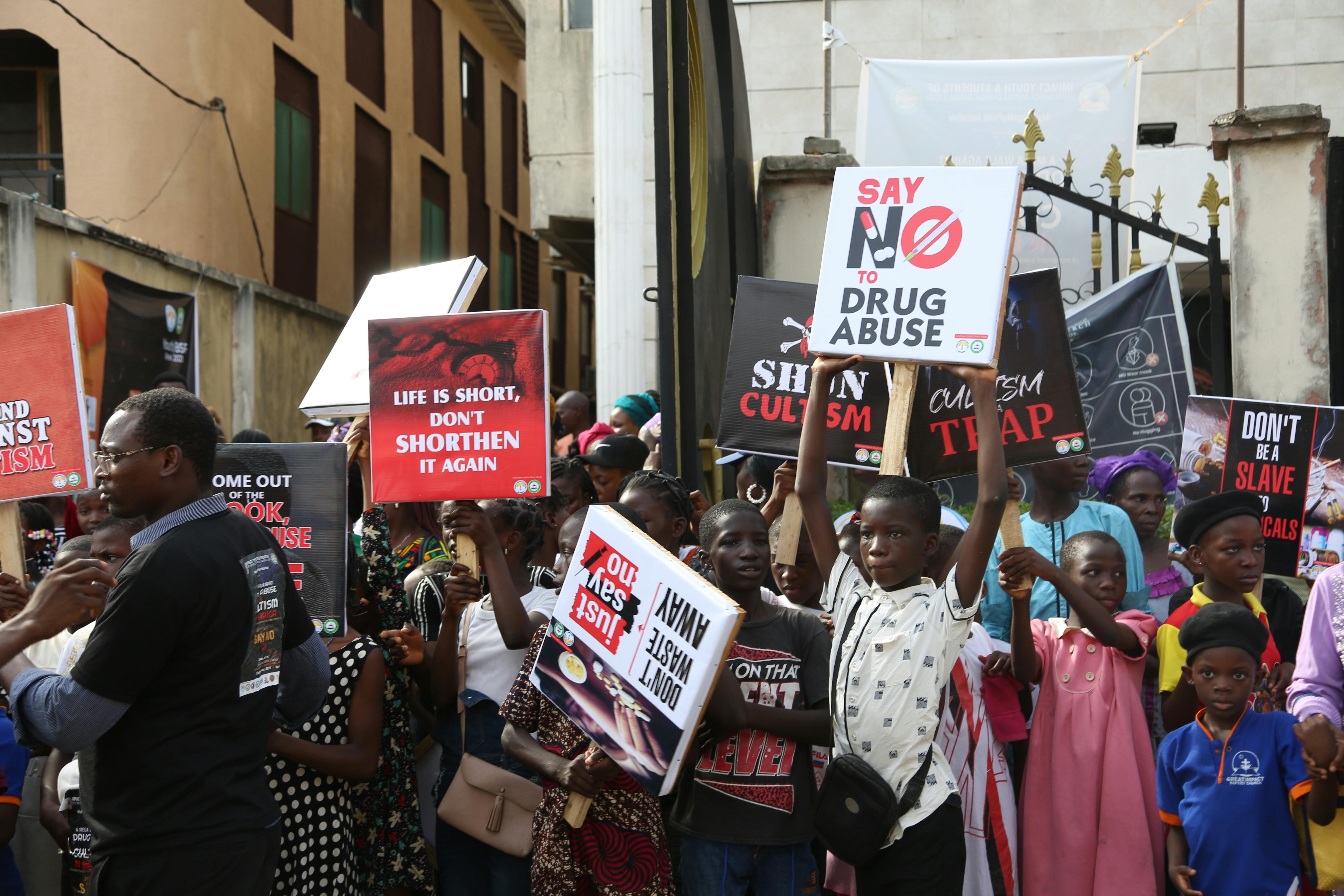
The Federal Government of Nigeria has issued a strong warning, stating unequivocally that the escalating problem of drug abuse and the illegal movement of drugs, known as illicit trafficking, directly threatens the country's national development. This pronouncement underscores the urgency for a collective national response to tackle a menace eroding the fabric of society.
WHO ARE THE KEY PLAYERS
The primary entity involved in this warning is the **Federal Government of Nigeria**, led by President Bola Ahmed Tinubu. This refers to the central administration based in Abuja, responsible for national policies and security. Their concern highlights the cross-cutting nature of the drug problem, affecting various ministries and agencies. A key institution in the fight against this menace is the **National Drug Law Enforcement Agency (NDLEA)**, the principal body tasked with combating drug trafficking and abuse in Nigeria. Ultimately, the **Nigerian populace**, especially its youth, stands as both the most vulnerable group and a crucial partner in any successful national intervention.
UNDERSTANDING THE LOCATION
This warning concerns **Nigeria**, Africa's most populous nation, with its diverse geopolitical zones: North-West, North-East, North-Central, South-West, South-East, and South-South. While drug abuse is a national challenge, its manifestations and preferred substances can vary across these regions, influenced by cultural practices, economic conditions, and proximity to international trafficking routes. The threat to national development implies an impact that spans all states and communities, affecting urban centers and rural areas alike.
BACKGROUND AND CONTEXT
The issue of drug abuse in Nigeria is not new but has seen a significant escalation in recent decades. Factors contributing to this rise include high rates of unemployment, particularly among young people, easy access to various substances, and the country's position as a transit point for international drug syndicates. Past administrations have made efforts to combat this, but the scale of the problem continues to grow, necessitating more robust and coordinated strategies. Historically, Nigeria has grappled with the cultivation of cannabis and, more recently, a surge in the abuse of synthetic drugs like tramadol, methamphetamine, and codeine, often consumed by youth and contributing to significant public health and security challenges.
EXPLAINING IMPORTANT REFERENCES
When the **Federal Government** issues a warning, it signifies a declaration from the highest level of national authority, representing the collective will and concern of the executive branch. **National development** in this context refers to the holistic progress of Nigeria across various sectors: economic growth (e.g., increased Gross Domestic Product), social welfare (e.g., improved health and education), infrastructure advancement, and human capital development. Drug abuse undermines all these pillars by reducing productivity, increasing healthcare burdens, fostering crime, and destroying the potential of the youth. **Illicit trafficking** simply means the illegal trade or smuggling of drugs, often across national borders, forming a complex network that fuels the availability of harmful substances within the country.
IMPACT ANALYSIS
Drug abuse and illicit trafficking inflict severe damage on Nigeria's development trajectory. Economically, it leads to lost productivity, increased healthcare costs, and a drain on national resources for law enforcement and rehabilitation. Socially, it contributes to rising crime rates, insecurity, mental health crises, and the breakdown of family structures and community cohesion. For the youth, who represent the future workforce and leadership, drug abuse cripples their potential, leading to school dropouts, unemployment, and a cycle of poverty and despair. This widespread problem can destabilize communities, hinder foreign investment, and tarnish Nigeria's international image, making the path to sustainable national development much harder to navigate.
WHAT HAPPENS NEXT
Following this stern warning, it is anticipated that the Federal Government, through relevant agencies like the NDLEA, will intensify efforts to combat drug abuse and trafficking. This could involve enhanced enforcement operations, stricter border controls, and increased intelligence sharing with international partners. Furthermore, there is likely to be a renewed focus on preventive measures, including large-scale public awareness campaigns across all geopolitical zones, particularly targeting schools and youth groups. Rehabilitation and reintegration programs for affected individuals may also see a boost in funding and support, alongside a review of existing drug policies to ensure they are robust and effective in addressing current realities. The call for a collective national response suggests a strategy that involves all levels of government, civil society organizations, religious bodies, and families.
HERO PERSPECTIVE
Leverage On Heroes Media believes that the Federal Government's warning is a critical call to action, reminding us that the fight against drug abuse is not just a government responsibility but a collective national imperative. Our editorial angle emphasizes the urgent need for every Nigerian — from parents and teachers to community leaders and policymakers — to rise as heroes in protecting our youth and preserving the nation's future. Investing in our young people's well-being and empowering them with knowledge and opportunities is the surest path to overcoming this pervasive threat and securing Nigeria's development.
CLOSING
The Federal Government's unequivocal warning serves as a stark reminder of the profound dangers posed by drug abuse and illicit trafficking to Nigeria's very foundation. As the nation grapples with this multifaceted crisis, a unified, sustained, and holistic approach, involving every segment of society, remains the only viable path to safeguard our collective future and ensure the promise of national development is not lost to the shadow of addiction.