HEADLINE
Global Health Frontline: The Intensified Race for an Ebola Therapy
OPENING HOOK
In a world grappling with persistent health threats, the urgent quest for effective treatments against deadly diseases like Ebola remains paramount. Scientists and medical professionals worldwide are now intensifying their collective efforts, marking a critical new phase in the race to develop therapies that could save countless lives.
WHAT HAPPENED
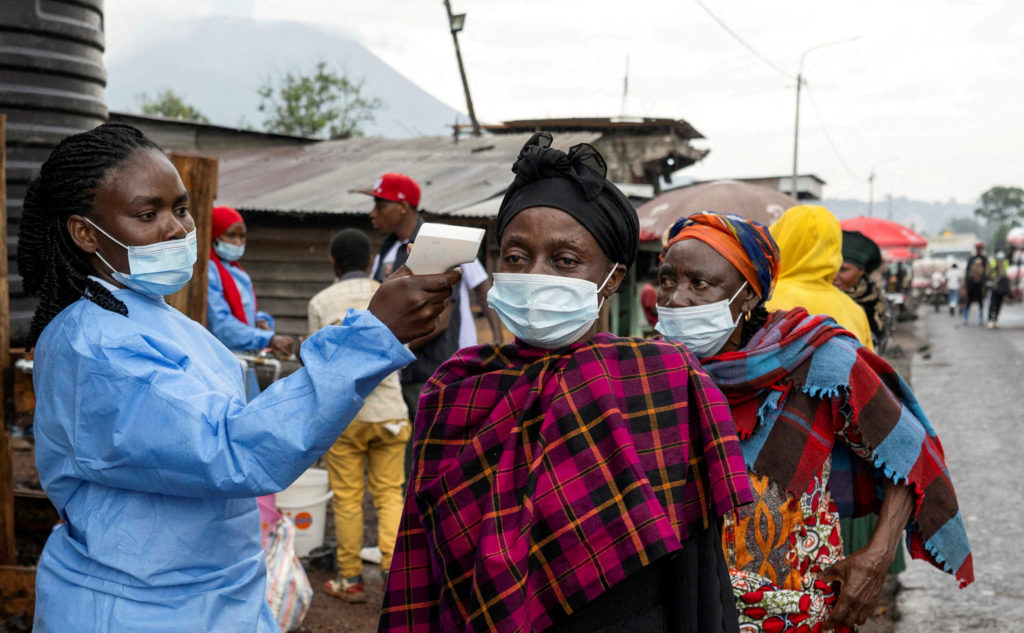
The global scientific and medical community is currently engaged in an intensified pursuit to develop and deploy effective therapeutic interventions for Ebola Virus Disease (EVD). This renewed focus follows decades of outbreaks, primarily across West and Central Africa, highlighting the critical need for not just preventative vaccines, but also reliable treatments for those already infected. Research institutions, pharmaceutical companies, and international health organizations are pooling resources, driven by the devastating impact of previous epidemics and the potential for future outbreaks.
WHO ARE THE KEY PLAYERS
Several crucial entities are at the forefront of this global effort. The **World Health Organization (WHO)**, a specialized agency of the United Nations responsible for international public health, plays a vital role in coordinating research, setting guidelines, and facilitating global responses to outbreaks. **Médecins Sans Frontières (MSF)**, also known as Doctors Without Borders, is an international humanitarian medical organization that provides emergency aid in conflict zones and countries affected by endemic diseases, often on the front lines of Ebola outbreaks. Various **biotechnology and pharmaceutical companies** are investing heavily in drug discovery and development, bringing novel compounds from laboratories to clinical trials. Additionally, national health bodies, research institutes, and university labs across affected regions and developed nations contribute significant scientific expertise and infrastructure.
UNDERSTANDING THE LOCATION
Ebola outbreaks have historically been concentrated in several countries in **West and Central Africa**. Nations like the Democratic Republic of Congo (DRC), Guinea, Liberia, and Sierra Leone have borne the brunt of the disease’s devastating impact. These regions often face challenges such as fragile health systems, limited infrastructure, and sometimes political instability, which can complicate rapid response and treatment efforts. The porous borders and high mobility of people in these areas also make containment a significant challenge, underscoring why local context is crucial for global health initiatives.
BACKGROUND AND CONTEXT
Ebola Virus Disease (EVD) first emerged in 1976, named after the Ebola River in the Democratic Republic of Congo. It is a severe, often fatal illness in humans, with fatality rates that can exceed 50%. The virus is transmitted to people from wild animals and spreads in the human population through direct contact with the blood, secretions, organs or other bodily fluids of infected people, and with surfaces and materials contaminated with these fluids. Major outbreaks, particularly the devastating West African epidemic of 2014-2016, spurred an unprecedented global push for vaccines and treatments. While significant progress has been made with vaccines, the focus has now sharpened on developing effective therapies to treat active infections, a critical missing piece in fully conquering the disease.
EXPLAINING IMPORTANT REFERENCES
**Ebola Virus Disease (EVD)**: This is the official name for the severe illness caused by the Ebola virus. It's a type of viral hemorrhagic fever, meaning it causes damage to blood vessels and can lead to internal bleeding. A **therapy**, in this context, refers to a medical treatment aimed at curing or alleviating the symptoms of a disease once a person is already infected. This differs from a vaccine, which is used for prevention. Common approaches for Ebola therapies include **antiviral drugs**, which directly target the virus to stop its replication, and **monoclonal antibodies**, which are laboratory-produced molecules engineered to mimic the body's natural antibodies to fight off the virus. These treatments are complex and often require significant investment, equivalent to several years' rent for a typical Nigerian family or the cost of setting up a small business.
IMPACT ANALYSIS
The intensified race for an Ebola therapy carries profound implications. Success would not only save lives during outbreaks but also reduce the immense psychological burden on communities living under the constant threat of the disease. Economically, effective treatments could prevent the widespread disruptions to trade, travel, and agriculture that have crippled local economies in affected regions during past epidemics. For Nigeria and the wider African continent, having readily available therapies means stronger public health security and reduced strain on already stretched healthcare systems. It also reinforces the importance of international collaboration in tackling diseases that know no borders, demonstrating that a health crisis anywhere can quickly become a global concern.
WHAT HAPPENS NEXT
The immediate future will see continued rigorous clinical trials to test the safety and efficacy of promising therapeutic candidates. Regulatory bodies, such as the US Food and Drug Administration (FDA) and the European Medicines Agency (EMA), will play a crucial role in evaluating trial data and granting approvals for widespread use. Once approved, the challenge shifts to manufacturing these therapies at scale and ensuring equitable distribution, especially to remote areas in affected countries. This will require robust supply chains and significant funding, often relying on international partnerships and donor support. Furthermore, ongoing surveillance and rapid diagnostic capabilities will remain essential to detect and respond to new outbreaks swiftly.
HERO PERSPECTIVE
Leverage On Heroes Media believes that the ongoing, intensified race for an Ebola therapy embodies the very best of human ingenuity and global solidarity. It underscores our collective responsibility to protect the most vulnerable and to invest in scientific solutions that transcend national borders. This pursuit is not merely about finding a cure for a single disease; it is a testament to the power of collaboration, compassion, and sustained effort in the face of adversity, reinforcing the principle that health is a universal right and a shared global challenge.
CLOSING
As the scientific community pushes forward in this vital endeavor, the hope for a future where Ebola no longer poses an existential threat grows stronger. The lessons learned and the innovations developed in this race will undoubtedly bolster our preparedness for other emerging infectious diseases, shaping a more resilient global health landscape for generations to come.