
HEADLINE
Hidden Danger: Tick Bites on Australia's East Coast Trigger Life-Threatening Meat Allergies
OPENING HOOK
Imagine a world where your favourite meal, a succulent plate of beef or a delicious lamb stew, could send you into a life-threatening allergic reaction hours after consumption. For many residents along Australia's picturesque east coast, this is not a hypothetical nightmare but a stark reality, all thanks to the bite of a tiny, often overlooked creature: the tick.
WHAT HAPPENED
Medical experts and public health officials are sounding the alarm over a significant increase in cases of Mammalian Meat Allergy (MMA), also widely known as Alpha-gal Syndrome, particularly concentrated along Australia's eastern seaboard. This severe allergic reaction is directly linked to bites from certain types of ticks, transforming what was once a rare condition into a growing public health challenge for the region.
WHO ARE THE KEY PLAYERS
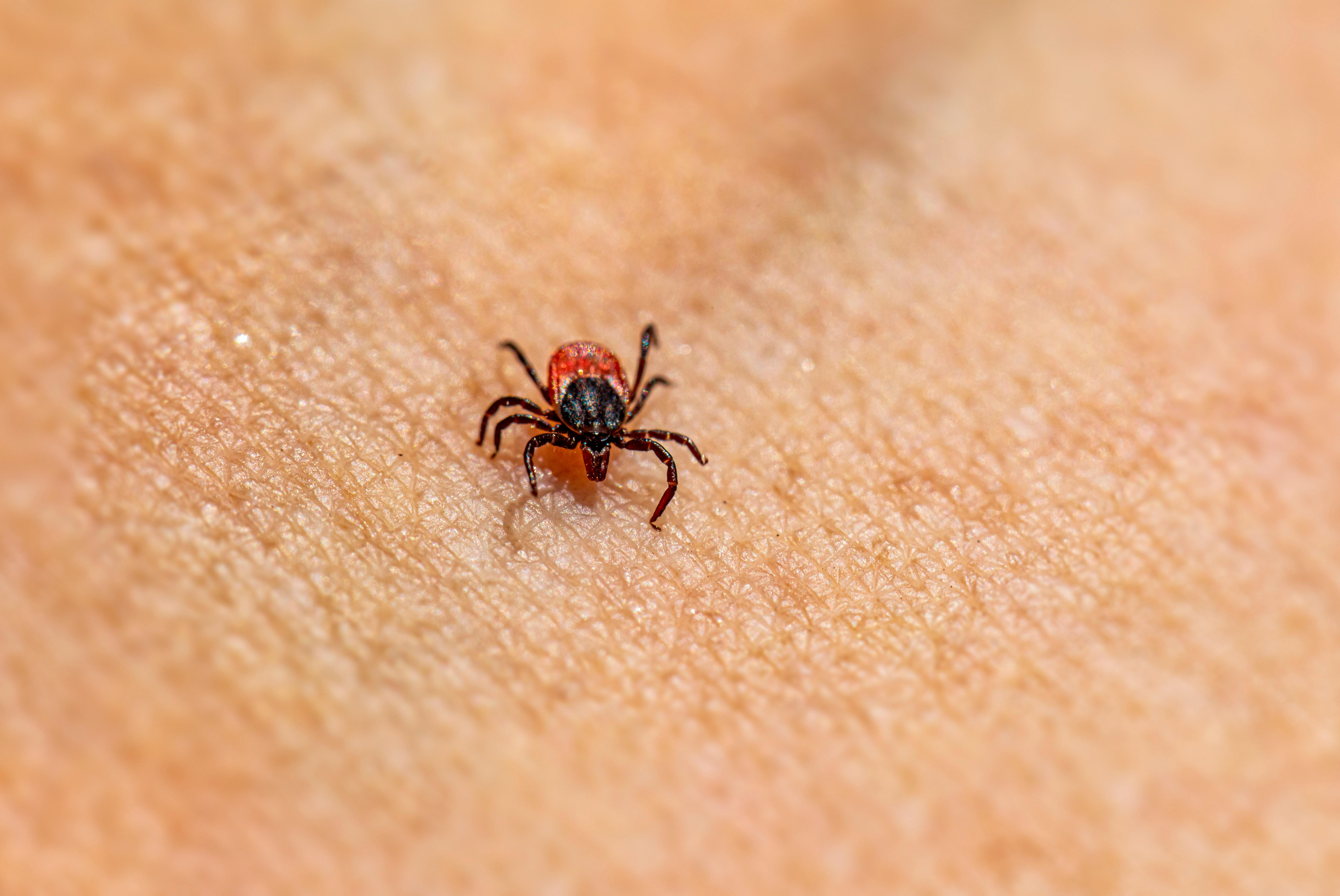
The primary 'culprit' in this unfolding health crisis is the **tick**, specifically the paralysis tick (*Ixodes holocyclus*), prevalent in the eastern parts of Australia. These arachnids, relatives of spiders, transmit a sugar molecule called alpha-gal into the bloodstream of their human hosts. The **individuals affected** are those who, after being bitten, develop an immune response to this alpha-gal molecule, leading to allergic reactions when they later consume mammalian meat. **Medical researchers and allergists** are at the forefront of understanding this complex condition, developing diagnostic tools, and exploring potential treatments. Public health bodies in Australia are crucial for disseminating information and raising awareness among the population.
UNDERSTANDING THE LOCATION
Australia's east coast stretches thousands of kilometres, encompassing major cities like Sydney, Brisbane, and Melbourne, alongside vast areas of bushland, national parks, and coastal communities. This region is characterised by a diverse climate, from tropical in the north to temperate in the south, providing ideal habitats for various tick species, including the paralysis tick. The close proximity of human habitation to natural bush environments means interactions with ticks are common, increasing the risk of exposure to the alpha-gal allergen.
BACKGROUND AND CONTEXT
Mammalian Meat Allergy was first identified as a distinct condition in the early 2000s, initially linked to certain cancer treatments before its connection to tick bites became clear. The 'alpha-gal' molecule, or galactose-alpha-1,3-galactose, is a sugar found in the cells of most mammals, but not in humans, apes, or Old World monkeys. When a tick carrying alpha-gal bites a human, it can introduce this sugar into the person's system. For some, this triggers an immune response where the body produces IgE antibodies against alpha-gal. Subsequently, when this person eats red meat (from mammals like beef, pork, lamb, or venison), their immune system overreacts to the alpha-gal in the meat, leading to allergic symptoms. Unlike typical immediate food allergies, Alpha-gal Syndrome reactions often have a delayed onset, occurring three to six hours after consuming mammalian meat, making diagnosis challenging.
EXPLAINING IMPORTANT REFERENCES
**Mammalian Meat Allergy (MMA)**, also known as **Alpha-gal Syndrome**, is an allergic reaction to a carbohydrate molecule called alpha-gal. This molecule is found in most mammalian meat, but not in poultry or fish. The allergy is typically acquired after a bite from certain ticks, which transfer alpha-gal from their gut into the human bloodstream. When the affected person later eats mammalian meat, their immune system, having been sensitised by the tick bite, launches an allergic attack. **Ticks** are small arachnids that feed on the blood of mammals, birds, and sometimes reptiles and amphibians. They are known vectors for various diseases, and in this context, they act as carriers of the alpha-gal molecule. The **paralysis tick** (*Ixodes holocyclus*) is particularly common along the eastern coast of Australia and is a key species implicated in transmitting alpha-gal.
IMPACT ANALYSIS
The rise of Alpha-gal Syndrome presents significant challenges for affected individuals and public health. For those diagnosed, it necessitates a complete overhaul of their diet, avoiding all mammalian meats, which can be a major lifestyle adjustment. Symptoms can range from hives, swelling, and gastrointestinal distress to severe anaphylaxis, a life-threatening reaction requiring immediate medical attention. This creates a constant state of vigilance around food choices. Economically, there could be subtle impacts on the food service industry and local meat producers if the prevalence continues to grow, though this is currently localized. The delayed nature of reactions also places a burden on healthcare systems, as diagnosis can be elusive and often requires specialized allergy testing. Furthermore, the lack of widespread awareness means many affected individuals might suffer for extended periods without understanding the root cause of their symptoms.
WHAT HAPPENS NEXT
Moving forward, increased public awareness campaigns are paramount, especially for residents and visitors to Australia's east coast, focusing on tick bite prevention. This includes advising on protective clothing, using repellents, and thorough tick checks after spending time outdoors. Medical research will continue to delve deeper into the mechanisms of alpha-gal sensitisation, aiming for better diagnostic methods, and potentially, desensitization treatments. Collaboration between environmental scientists, entomologists, and medical professionals will be crucial to understand tick populations, their distribution, and how environmental changes might influence their prevalence. The goal is to equip both the public and healthcare providers with the knowledge and tools to manage and mitigate this emerging health threat effectively.
HERO PERSPECTIVE
Leverage On Heroes Media believes that understanding and addressing public health threats, no matter how obscure, is a cornerstone of societal well-being. The rise of Mammalian Meat Allergy driven by tick bites highlights the delicate balance between human activity and the natural world. Our editorial angle champions vigilance, scientific inquiry, and robust public health education to empower individuals with the knowledge to protect themselves and their communities from insidious dangers. We stand for proactive measures and informed decision-making in the face of evolving health challenges.
CLOSING
The silent threat of the tick, leading to a potentially life-altering meat allergy, underscores the importance of environmental awareness and personal vigilance. As medical science continues to unravel the complexities of Alpha-gal Syndrome, the collective effort of public education, preventative action, and ongoing research will be vital in safeguarding the health and well-being of communities along Australia's eastern seaboard and beyond.