
HEADLINE
Hope Rises in DRC: Clinical Trials Launched for Bundibugyo Ebola Strain
OPENING HOOK
The shadow of Ebola has long loomed over communities in the Democratic Republic of Congo, a nation grappling with persistent outbreaks of the deadly virus. Now, a significant stride in the fight against this formidable foe has been made, as clinical trials for a specific, rarer strain of Ebola commence, bringing a glimmer of hope to affected regions.
WHAT HAPPENED
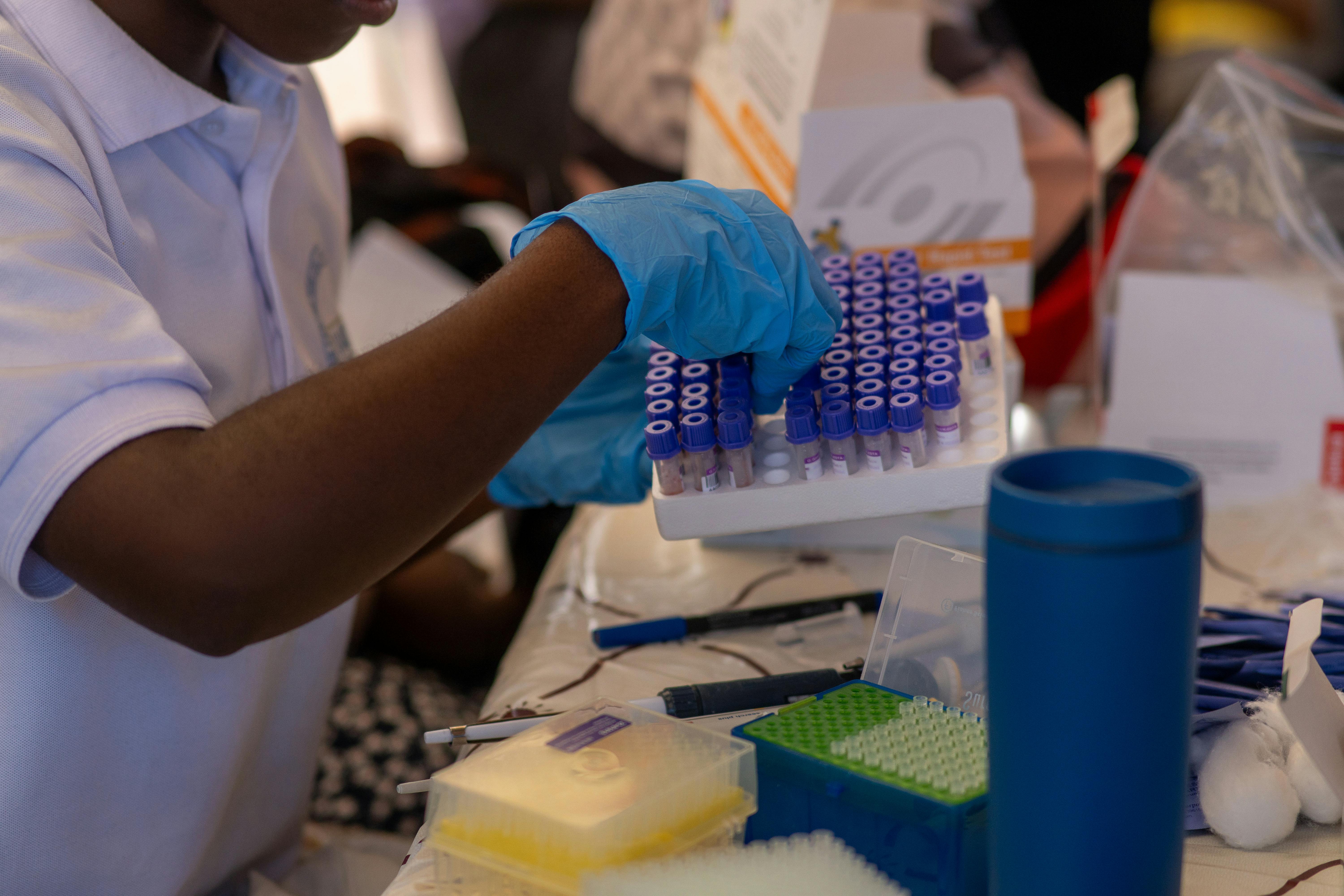
On July 2, a crucial phase in the global health battle against the Ebola virus disease began in the Democratic Republic of Congo (DRC). Clinical trials for treatments specifically targeting the Bundibugyo strain of Ebola were officially launched at the Evangelical Medical Center in Bunia, the capital of Ituri province. The primary objective of these trials is to identify and develop a standard, effective treatment for this particular strain, which has been responsible for nearly 1,500 confirmed cases and over 450 deaths in the current outbreak affecting the eastern part of the DRC.
WHO ARE THE KEY PLAYERS
The primary actors in this critical development are the **Democratic Republic of Congo (DRC) health authorities**, who have spearheaded the initiative and provided the necessary framework for the trials to proceed. The **Evangelical Medical Center in Bunia** serves as the central hub for these trials, demonstrating its commitment to public health in a challenging environment. International partners, including organizations like the **World Health Organization (WHO)** and various non-governmental organizations, often provide crucial technical, logistical, and financial support for such complex medical endeavors in the region, working collaboratively with local medical teams and researchers.
UNDERSTANDING THE LOCATION
The **Democratic Republic of Congo (DRC)** is the second-largest country in Africa by area, located in Central Africa. It is rich in natural resources but has a complex history marked by political instability, conflict, and humanitarian crises, particularly in its eastern provinces. **Ituri province**, where Bunia is located, is one such region that has experienced prolonged periods of inter-communal violence and armed conflict, complicating public health responses. **Bunia** is the capital of Ituri, a city that, despite its challenges, serves as a vital administrative and medical center for the surrounding areas, making it a strategic location for conducting these critical clinical trials.
BACKGROUND AND CONTEXT
Ebola Virus Disease (EVD) has been a recurring nightmare for the DRC since its discovery near the Ebola River in 1976. The country has endured more outbreaks than any other nation. While the Zaire strain is the most common and widely recognized, responsible for the devastating West African epidemic of 2014-2016, the **Bundibugyo strain** is one of the rarer, yet equally dangerous, variants. It was first identified in Bundibugyo, Uganda, in 2007. This particular outbreak in eastern DRC has highlighted the urgent need for specific treatments, as current therapies primarily target the Zaire strain. The initiation of these trials signifies a major step towards personalized medicine in the fight against a disease that has historically ravaged communities, disrupted economies, and instilled widespread fear.
EXPLAINING IMPORTANT REFERENCES
**Ebola Virus Disease (EVD)**: Often simply called Ebola, it is a severe and often fatal illness in humans and other primates, caused by Ebola viruses. It spreads through direct contact with blood, bodily fluids, or tissues of infected animals or people.
**Bundibugyo strain**: This refers to one of the six known species of the Ebola virus. While all are highly virulent, their genetic makeup differs, meaning treatments effective against one strain may not be against another. The Bundibugyo strain is less common than the Zaire strain but can still cause severe hemorrhagic fever.
**Clinical trials**: These are research studies conducted in people to evaluate a medical, surgical, or behavioral intervention. They are the primary way that researchers find out if a new treatment, like a drug or vaccine, is safe and effective for people. They typically involve several phases, starting with small groups to assess safety and moving to larger groups to confirm efficacy.
**Epidemic**: In public health, an epidemic refers to a rapid spread of an infectious disease to a large number of people in a given population within a short period, exceeding what is normally expected for that population and area.
IMPACT ANALYSIS
The launch of these clinical trials carries profound implications. For the communities in eastern DRC, it offers a tangible beacon of hope, suggesting that dedicated, specific treatments might soon be available, potentially reducing mortality rates and alleviating the immense burden on healthcare systems. Globally, it represents a crucial advancement in infectious disease research, contributing to a more comprehensive arsenal against emerging and re-emerging pathogens. Success in these trials could not only save lives in the current outbreak but also establish a precedent for rapid, strain-specific therapeutic development in future epidemics. However, challenges persist, including ensuring community trust, maintaining security in conflict-affected areas, and navigating logistical complexities inherent in conducting advanced medical research in remote regions.
WHAT HAPPENS NEXT
The clinical trials will proceed through several phases, meticulously collecting data on the safety and efficacy of the experimental treatments. This process can take months or even years, involving rigorous scientific scrutiny and ethical oversight. Should a treatment prove successful, it would then undergo regulatory approval processes by national and international health bodies before becoming widely available. Concurrently, public health efforts will continue, focusing on contact tracing, safe burials, community engagement, and vaccination campaigns (where applicable for existing vaccines). The outcome of these trials will shape future strategies for managing Bundibugyo Ebola outbreaks and could inform the development of broader-spectrum antiviral therapies.
HERO PERSPECTIVE
Leverage On Heroes Media views the commencement of these clinical trials as a testament to the enduring human spirit and the unwavering dedication of medical professionals and researchers. In the face of a relentless adversary like Ebola, the pursuit of scientific knowledge and the development of targeted interventions embody true heroism. This initiative underscores the global responsibility to invest in health infrastructure and research in vulnerable regions, ensuring that no community is left behind in the fight against devastating diseases. It's a clear call to action for sustained international cooperation and local empowerment to turn the tide against such existential threats.
CLOSING
The journey towards a definitive treatment for the Bundibugyo Ebola strain has officially begun in the DRC. While the path ahead is challenging, the launch of these clinical trials marks a pivotal moment, symbolizing hope, progress, and the relentless pursuit of health security for all.