
HEADLINE
India Moves to Protect Lives, Bans Highly Toxic Herbicide Paraquat Dichloride
OPENING HOOK
The alarming global trend of governments taking decisive action against hazardous agricultural chemicals has seen a major development, with India, a nation pivotal in global agriculture, enacting a ban on a notorious herbicide. This move sends a strong signal about prioritizing public health over the widespread use of potent farm chemicals.
WHAT HAPPENED
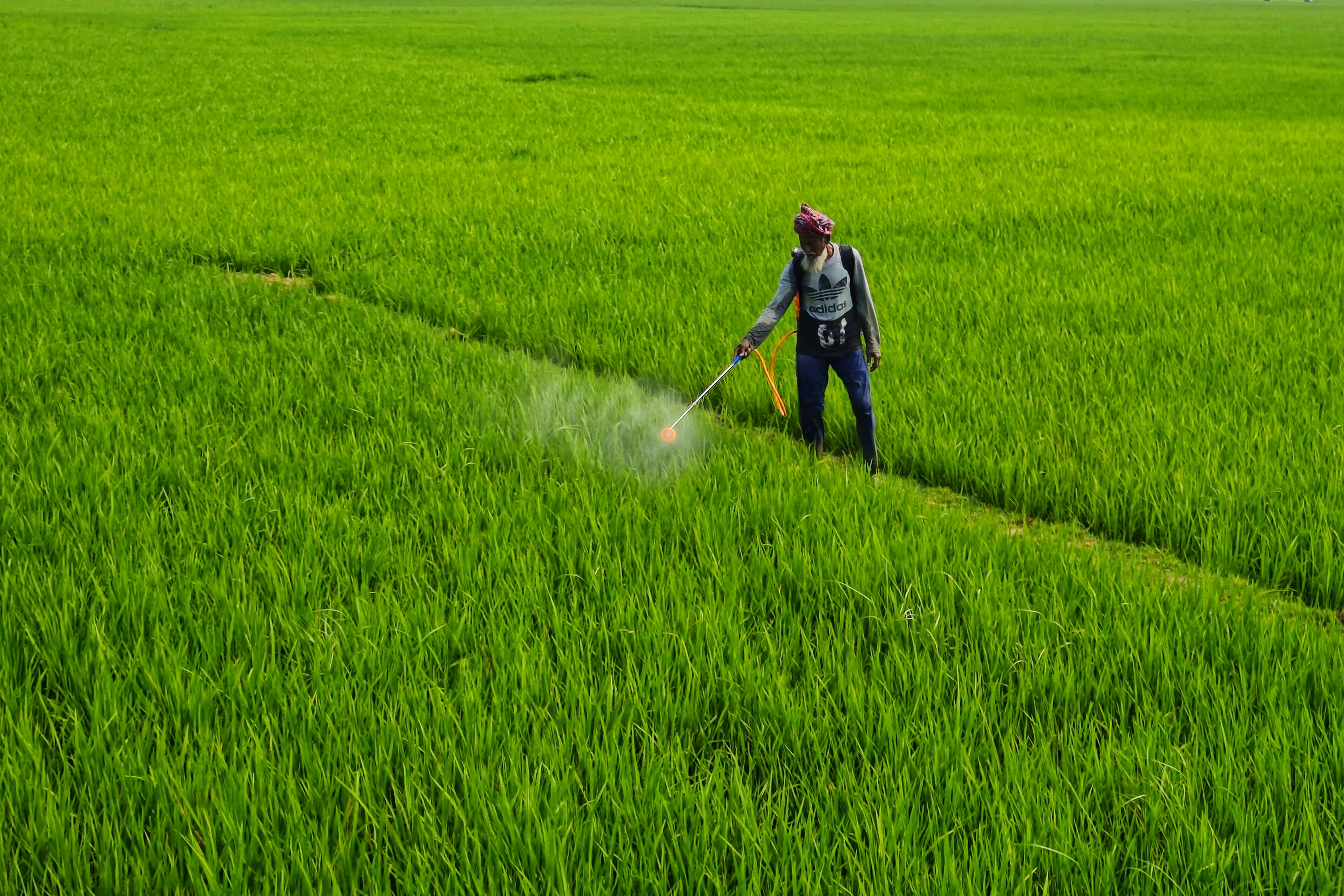
In a landmark decision, the Indian government has officially prohibited the manufacture, sale, and use of paraquat dichloride, a highly toxic herbicide. This ban comes after extensive evidence linked the chemical to thousands of deaths, primarily through self-harm, but also from accidental ingestions and even homicides. India's action places it among more than 70 countries that have already restricted or banned this dangerous substance.
WHO ARE THE KEY PLAYERS
The primary actor in this development is the **Government of India**, specifically its regulatory bodies responsible for agriculture and public health, which enacted the ban. **Indian farmers** are a crucial stakeholder, as they are the primary users of such herbicides and will now need to adapt to the new regulation, seeking safer alternatives. **Chemical manufacturers**, both domestic and international, who produce or distribute paraquat dichloride, will be significantly impacted. Lastly, **public health advocates, environmental groups, and medical professionals** have played a critical role in raising awareness about the dangers of paraquat dichloride and lobbying for its prohibition.
UNDERSTANDING THE LOCATION
India is the world's second-most populous country, with a vast and diverse agricultural sector that employs a significant portion of its workforce. Its economy is heavily reliant on farming, making the widespread use of herbicides common for crop protection. Geographically, India spans various climatic zones, necessitating different farming practices. For Nigeria, India's experience often serves as a valuable case study due to similar developmental challenges and large agricultural populations.
BACKGROUND AND CONTEXT
Paraquat dichloride has been in use globally for decades as a fast-acting, non-selective herbicide, meaning it kills most green plant tissue on contact. Its effectiveness made it popular among farmers for weed control. However, its extreme toxicity to humans became increasingly evident. Unlike many other poisons, paraquat has no known antidote, making ingestion almost invariably fatal, often after a painful and prolonged period. This grim reality led to a global outcry from medical and human rights organizations, highlighting its use in thousands of suicides annually, particularly in agricultural communities where it is readily accessible.
EXPLAINING IMPORTANT REFERENCES
**Paraquat dichloride** is a chemical compound widely used as a weed killer in agriculture. It's known for its rapid action and broad-spectrum effectiveness, but it is also one of the most poisonous herbicides available, often referred to as a 'quick killer' due to its high toxicity. The term **'antidote'** refers to a medicine or treatment that counteracts the effects of a poison. In the case of paraquat, the absence of an effective antidote means that once ingested, survival rates are extremely low, even with intensive medical care. The linkage to **self-harm, homicide, and accidental deaths** underscores its danger: individuals often use it to commit suicide due to its lethality and accessibility, while accidental ingestions can occur from mislabeling or improper storage, and in some tragic cases, it has been used as a poison in homicides.
IMPACT ANALYSIS
India's ban will have significant implications. For public health, it is expected to drastically reduce the number of deaths associated with paraquat poisoning, particularly suicides in rural areas. Farmers will face the challenge of finding cost-effective and equally efficient alternative herbicides, which might initially increase their operational costs or require adjustments in weed management practices. Environmentally, the ban could lead to a shift towards less persistent or less toxic chemicals, potentially benefiting soil health and biodiversity. For Nigeria, this development offers a crucial case study. With a large agricultural sector and similar challenges concerning the responsible use of agrochemicals, Nigeria's regulatory bodies, such as the National Agency for Food and Drug Administration and Control (NAFDAC), could examine India's rationale and experience to assess the risks and benefits of such chemicals currently in use across our own geopolitical zones.
WHAT HAPPENS NEXT
The immediate next steps in India involve the robust enforcement of the ban to prevent illegal trade and use of paraquat dichloride. This will require strong monitoring mechanisms and public awareness campaigns to educate farmers about the prohibition and available alternatives. Manufacturers will need to cease production and sales, potentially retooling to produce safer herbicides. Globally, India's decision adds weight to the growing international consensus against paraquat, potentially influencing other developing nations, including those in Africa, to review their own regulations on highly toxic agrochemicals. Research into safer, sustainable, and affordable weed control solutions will likely accelerate.
HERO PERSPECTIVE
Leverage On Heroes Media believes that the protection of human life and public health must always take precedence over commercial interests. India's ban on paraquat dichloride is a commendable act of responsible governance, demonstrating a clear commitment to safeguarding its citizens from preventable harm. This action serves as a vital lesson for Nigeria and other nations, urging a critical re-evaluation of all agricultural chemicals with documented severe health risks. We advocate for stronger regulatory frameworks, robust public health education, and investment in sustainable, safer agricultural practices that prioritize the well-being of our farmers and communities.
CLOSING
The global movement towards safer agricultural practices continues, with India's ban on paraquat dichloride marking a significant victory for public health. This decision highlights the ongoing responsibility of governments to protect their populations from hazardous substances, setting a precedent that will undoubtedly resonate across the developing world, including right here in Nigeria.