
HEADLINE
Iron Unveiled as Key Trigger in Asthma-Related Airway Inflammation, Paving Way for New Therapeutic Approaches
OPENING HOOK
For millions of Nigerians and countless others globally living with asthma, the constant search for better understanding and more effective treatments is a daily reality. A significant scientific breakthrough from China now offers a fresh perspective, pinpointing a surprising culprit – iron – in the complex chain of events that leads to debilitating airway inflammation.
WHAT HAPPENED
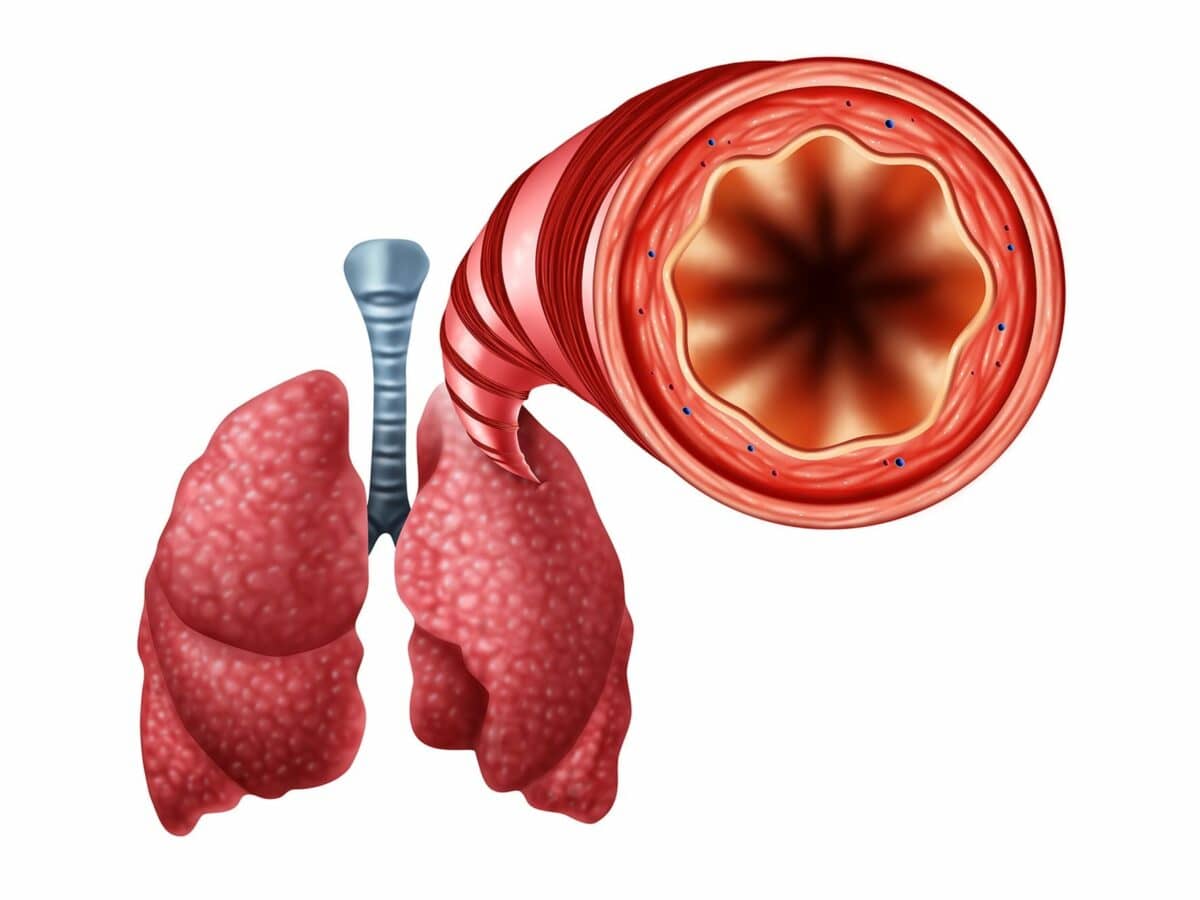
In a development poised to reshape our understanding of respiratory diseases, Chinese researchers have precisely identified the pivotal role of iron in initiating allergic airway inflammation, a hallmark of asthma. Their comprehensive study, recently published in the prestigious scientific journal *Cell*, details how iron activates a specific biological pathway, directly contributing to the inflammatory response in the airways.
WHO ARE THE KEY PLAYERS
The groundbreaking research was a collaborative effort led by two prominent scientific figures. **Professor Sun Bing**, from the Center for Excellence in Molecular Cell Science (Shanghai Institute of Biochemistry and Cell Biology) which is part of the Chinese Academy of Sciences (CAS), spearheaded the primary investigation. He worked in conjunction with **Professor Liu Xing's** team, based at the Shanghai Institute of Materia Medica, also under the umbrella of the Chinese Academy of Sciences. The **Chinese Academy of Sciences (CAS)** is the national academy for natural sciences of China, a leading institution for scientific research and education globally, known for its extensive network of research institutes and commitment to cutting-edge discovery.
UNDERSTANDING THE LOCATION
The research originates from **Shanghai, China**, a vibrant metropolis renowned not only as a global financial hub but also as a burgeoning centre for scientific innovation and medical research. Its numerous universities, research institutes, and hospitals attract top scientific talent, making it a significant contributor to global scientific advancements, particularly in biochemistry, cell biology, and pharmacology.
BACKGROUND AND CONTEXT
Asthma is a chronic respiratory condition characterised by inflammation and narrowing of the airways, leading to symptoms like wheezing, shortness of breath, chest tightness, and coughing. It affects an estimated 300 million people worldwide, including a significant population in Nigeria, where environmental factors and access to healthcare can exacerbate its impact. Allergic asthma, specifically, is triggered by allergens like pollen, dust mites, or pet dander. While inflammation is known to be central to asthma, the exact molecular 'switches' that initiate and perpetuate this inflammation are still being unravelled. Understanding these triggers is crucial for developing targeted therapies that go beyond merely managing symptoms.
EXPLAINING IMPORTANT REFERENCES
At the heart of this discovery is **iron**, an essential mineral vital for many bodily functions, including oxygen transport and energy production. However, like many crucial substances, too much or improperly regulated iron can be harmful. In this context, its role in 'triggering' inflammation means it acts like a key turning on a destructive process. **Airway inflammation** refers to the swelling and irritation of the air passages in the lungs, making it difficult to breathe. **Allergic airway inflammation** is a specific type where this irritation is caused by the body's overreaction to harmless substances (allergens). When the researchers speak of 'activating a pathway,' they mean iron initiates a series of biochemical reactions within cells – imagine a domino effect – that ultimately leads to the inflammatory response. The journal **Cell** is one of the most prestigious peer-reviewed scientific journals, publishing significant research across various life sciences, indicating the high impact and rigorous validation of this study.
IMPACT ANALYSIS
This discovery holds profound implications for asthma patients and the medical community. By identifying iron as a critical initiator of allergic airway inflammation, the research opens new avenues for therapeutic intervention. Instead of solely focusing on suppressing the inflammatory response once it has started, future treatments could potentially target the regulation of iron levels in the airways or block the specific iron-activated pathway. This could lead to more precise and effective medications, potentially reducing the frequency and severity of asthma attacks, and improving the quality of life for millions, including those struggling with the condition across Nigeria's diverse geopolitical zones.
WHAT HAPPENS NEXT
The immediate next steps in this research will likely involve further mechanistic studies to fully map out the iron-activated pathway and identify specific molecular targets. Following this, pharmaceutical companies and researchers may begin exploring the development of novel drugs that modulate iron metabolism or inhibit the newly identified pathway. This could involve preclinical testing in animal models, followed by human clinical trials if promising results emerge. The long-term goal is to translate this fundamental scientific insight into tangible clinical benefits, offering new hope for asthma management and potentially even prevention.
HERO PERSPECTIVE
Leverage On Heroes Media views this scientific breakthrough as a beacon of hope, underscoring the vital importance of fundamental research in tackling widespread health challenges like asthma. Our editorial angle emphasizes the potential for this discovery to inspire novel, targeted treatments, ultimately empowering individuals to better manage their health and live fuller lives, while also highlighting the global collaborative spirit of scientific inquiry.
CLOSING
The revelation of iron's role in asthma-linked inflammation is a testament to the relentless pursuit of knowledge by the global scientific community. As researchers continue to peel back the layers of complex diseases, each discovery, no matter how intricate, brings us closer to a future where chronic conditions like asthma are not just managed, but potentially overcome.