
HEADLINE
California's Gray Wolves: New Research Confirms High Cattle Predation and Livestock Stress
OPENING HOOK
The delicate balance between wildlife conservation and agricultural livelihoods is once again at the forefront in California, as fresh scientific data reveals a significant overlap in the territories and diets of the state's re-emerging gray wolf population and its vital ranching industry.
WHAT HAPPENED
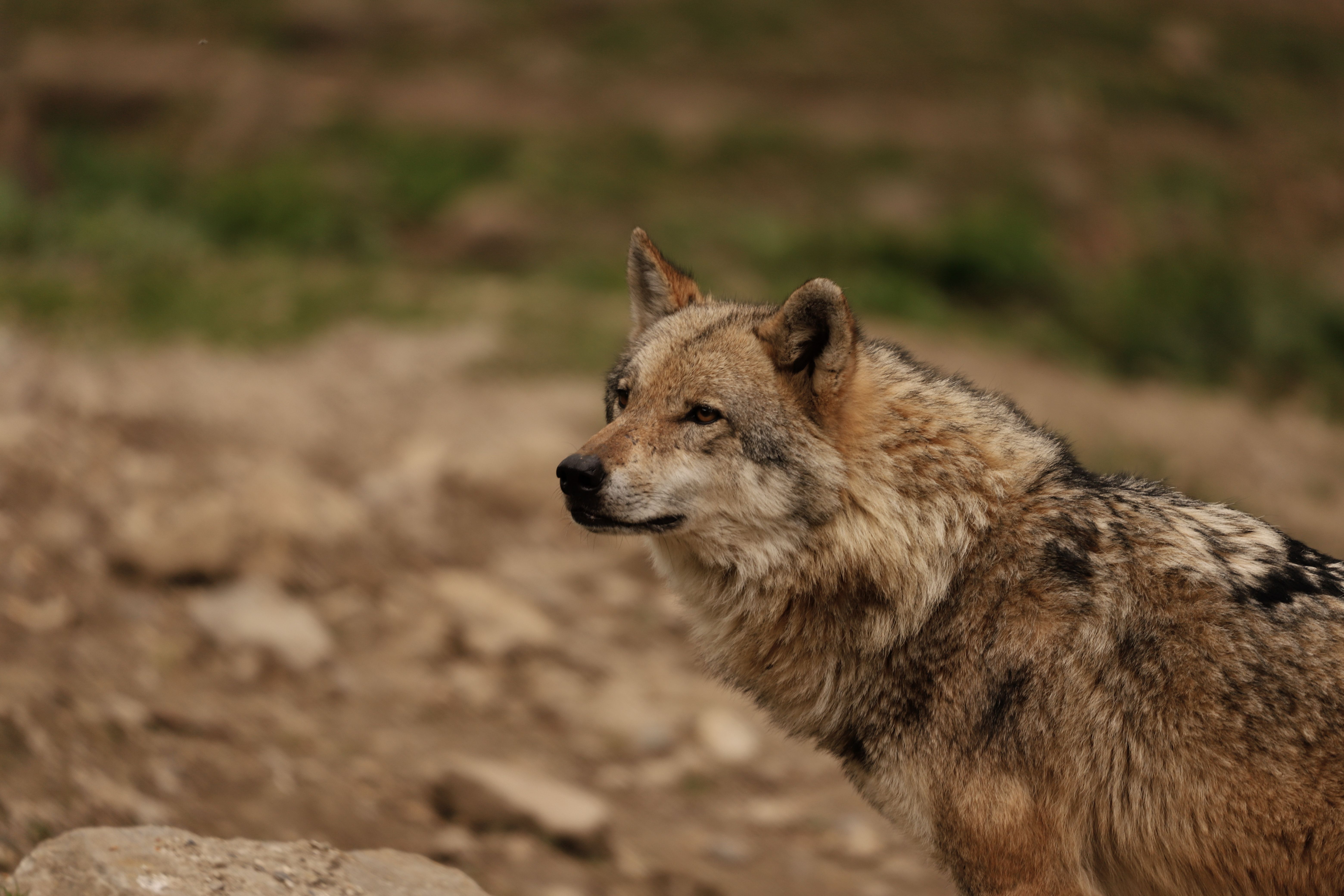
Two recently published studies examining gray wolves in California have shed critical light on their ecological impact, particularly concerning livestock. The research indicates that cattle constitute the primary food source for these predators, and their mere presence in grazing areas causes considerable stress among the cattle. This stress, similar to how constant worry affects humans, can lead to reduced weight gain, lower milk production, and increased susceptibility to diseases in the animals, ultimately impacting the economic viability of ranching operations.
WHO ARE THE KEY PLAYERS
The key players in this unfolding narrative are multifaceted. First, the **gray wolves** themselves, a protected species whose return to California after decades of absence is a significant conservation success. Second, the **ranchers**, whose livelihoods depend on the health and productivity of their cattle, and who bear the direct consequences of wolf presence. Third, **conservation organizations** and wildlife advocates who champion the protection and recovery of apex predators like wolves for ecosystem health. Finally, **state wildlife agencies**, such as the California Department of Fish and Wildlife, are tasked with managing both wildlife populations and human-wildlife interactions, often navigating conflicting interests.
UNDERSTANDING THE LOCATION
California, a state in the western United States, is renowned for its vast and varied landscapes, from rugged mountains and dense forests to sprawling agricultural lands. It is a major agricultural producer, with cattle ranching being a significant industry, particularly in its northern and eastern regions where wolf populations are re-establishing. These areas provide extensive grazing lands that often overlap with natural wolf habitats, setting the stage for potential conflicts.
BACKGROUND AND CONTEXT
Gray wolves were largely eradicated from California by the 1920s due to aggressive hunting and trapping campaigns, driven by concerns over livestock predation. Their return to the state began in 2011, with the first confirmed wolf in nearly a century. Since then, several packs have established territories. This reintroduction is part of a broader effort across the Western U.S. to restore native predator populations, which play a crucial role in maintaining ecosystem health. However, the re-establishment inevitably brings back the historical conflict with livestock producers, necessitating careful management strategies to foster coexistence.
EXPLAINING IMPORTANT REFERENCES
- **Gray Wolves:** These are large canids, apex predators crucial for maintaining ecological balance by regulating prey populations. Their return signifies a restoration of natural processes. They are protected under both federal and state endangered species acts.
- **Livestock Stress:** This refers to the physiological and behavioral responses of animals, such as cattle, to perceived threats or disturbances. When wolves are consistently in their vicinity, cattle experience chronic fear and anxiety. This stress can manifest as changes in feeding patterns, increased vigilance, altered social structures, and ultimately, a decline in physical health and reproductive success. It's not just about direct attacks but the constant psychological pressure.
- **Ranching Landscapes:** These are the expansive areas, often grasslands or open rangelands, where cattle graze. They are vital economic zones for many rural communities and often border or overlap with wild habitats.
IMPACT ANALYSIS
The findings have significant implications. Economically, ranchers face tangible losses from direct predation and the less obvious, but equally damaging, effects of livestock stress, which can reduce herd productivity and profitability. This adds financial strain, especially for smaller, family-owned operations. Environmentally, while wolves are vital for ecosystem health, their presence creates a management challenge: how to support a recovering species without unduly burdening agricultural communities. Socially, the issue often polarizes communities, pitting conservationists against ranchers, highlighting the need for common ground and effective mitigation strategies.
WHAT HAPPENS NEXT
In response to these findings, the focus will likely intensify on developing and implementing non-lethal deterrents to protect livestock, such as range riders, guard dogs, and improved fencing. Further research will be crucial to understand the long-term impacts of wolf presence on various ranching practices and to refine coexistence strategies. Policymakers will face pressure to balance conservation mandates with agricultural sustainability, potentially leading to new compensation programs for ranchers or enhanced funding for conflict resolution efforts. The debate over wolf management is expected to continue, underscoring the complex nature of human-wildlife interactions in modern landscapes.
HERO PERSPECTIVE
Leverage On Heroes Media believes that understanding the intricate dynamics between wildlife and human livelihoods is paramount. The return of gray wolves to California, while a triumph for conservation, highlights the urgent need for innovative and collaborative solutions that protect both endangered species and the economic backbone of rural communities. A truly heroic approach demands empathy, scientific rigor, and a commitment to fostering coexistence, ensuring that both nature and human enterprise can thrive.
CLOSING
The latest studies from California serve as a stark reminder that conservation successes often come with new challenges. Addressing the complex interplay between gray wolves and the state's ranching industry will require ongoing dialogue, adaptive management, and a shared commitment to finding pathways for harmonious coexistence.