
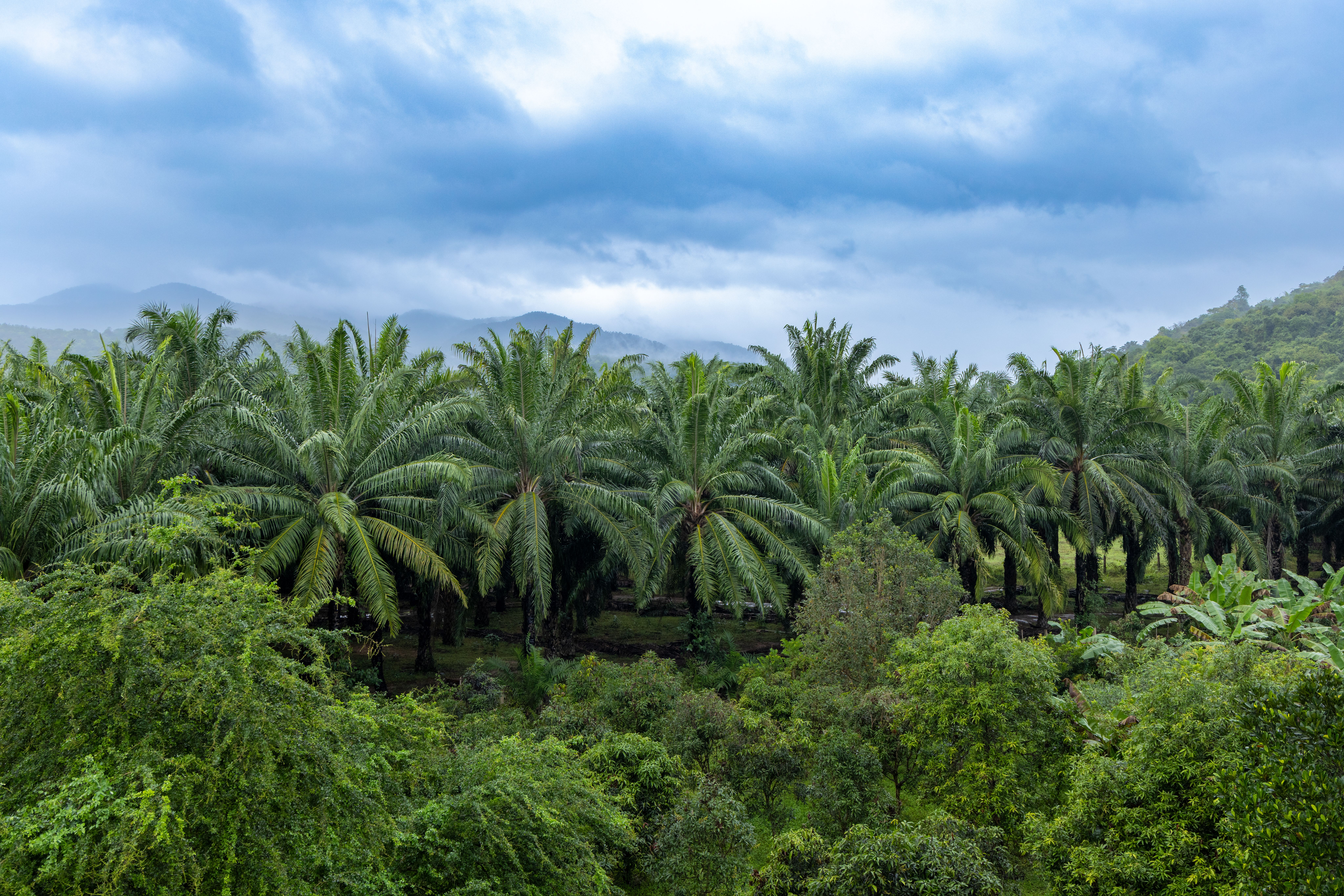
HEADLINE
Nigerian Palm Oil Emerges as Sustainable Game-Changer for Global Rubber Industry
OPENING HOOK
In a world increasingly seeking sustainable solutions, a recent development points to a familiar Nigerian agricultural product, palm oil, as a promising green alternative in the global natural rubber industry. This innovation could not only reduce the environmental footprint of essential products but also open new economic avenues for Nigeria.
WHAT HAPPENED
Recent scientific exploration indicates that palm oil holds significant promise as a more environmentally sound processing aid for natural rubber composites. These composites are fundamental components in a vast array of products, from the tyres on our vehicles to medical equipment and construction materials, valued for their elasticity, resilience, and durability. Traditionally, rubber manufacturers rely on conventional processing oils to enhance performance, reduce the material's thickness (viscosity), improve its workability during manufacturing, and ensure that strengthening additives like silica are evenly distributed throughout the rubber mixture.
WHO ARE THE KEY PLAYERS
The primary stakeholders in this evolving narrative include **research scientists and academic institutions** driving the innovation; **natural rubber manufacturers** globally, who stand to benefit from greener and potentially more efficient production methods; **palm oil producers and the agricultural sector**, particularly in Nigeria, which could see increased demand and market value for their produce; and ultimately, **consumers** who increasingly demand sustainable products. Environmental advocacy groups will also be keen observers, ensuring that the shift to palm oil does not inadvertently create new ecological challenges, especially concerning sustainable sourcing practices.
UNDERSTANDING THE LOCATION
While this research has global implications, its relevance to Nigeria is particularly profound. Nigeria is a significant producer of both natural rubber and palm oil. The southern geopolitical zones, particularly the South-South and parts of the South-East, are major hubs for palm oil cultivation. States like Edo, Delta, Cross River, and Rivers also have a history of natural rubber plantations. The adoption of palm oil as a processing aid could enhance the value chain for these crucial agricultural commodities, creating jobs and fostering economic growth in these regions. It could also reduce Nigeria's reliance on imported processing chemicals, saving valuable foreign exchange that could otherwise be used for other essential imports or development projects.
BACKGROUND AND CONTEXT
Natural rubber has been a cornerstone of industrial manufacturing for over a century, derived from the latex of the rubber tree. Its unique properties make it indispensable for countless applications. However, the manufacturing process often involves petroleum-based processing oils, which contribute to a product's carbon footprint. In recent years, there has been a global push towards more sustainable industrial practices, driven by environmental concerns and consumer demand for 'green' products. This has spurred research into bio-based alternatives, positioning palm oil, a renewable resource, as a strong contender. Nigeria's history with palm oil dates back centuries, with the crop being integral to its culture and economy long before the oil boom.
EXPLAINING IMPORTANT REFERENCES
- **Natural Rubber Composites:** These are materials formed by combining natural rubber with other substances, typically fillers like silica, to enhance its strength, durability, and other mechanical properties for specific uses like tyres or conveyor belts.
- **Silica Fillers:** These are fine particles added to rubber to improve its strength, abrasion resistance, and other performance characteristics. They make the rubber tougher and last longer.
- **Processing Oils:** These are liquids added during rubber manufacturing to make the raw rubber easier to mix and mould. They reduce the rubber's stiffness (viscosity) and help distribute fillers evenly, ensuring the final product has consistent quality.
- **Viscosity:** Simply put, this describes how thick or runny a liquid is. A low viscosity means it flows easily, while high viscosity means it's thick and flows slowly, like honey.
- **Filler Dispersion:** This refers to how uniformly the added fillers (like silica) are spread throughout the rubber mixture. Good dispersion is crucial for the final product to have optimal and consistent properties.
- **Palm Oil:** A versatile vegetable oil extracted from the fruit of the oil palm tree. It is a major agricultural commodity in Nigeria, used for cooking, in various food products, and increasingly in industrial applications. Its abundance and specific chemical properties make it attractive as a bio-based alternative.
IMPACT ANALYSIS
The potential impact of this innovation is multi-faceted. Economically, it could provide a significant boost to Nigeria's palm oil industry, stimulating local production and potentially reducing the need for imported processing aids. Environmentally, replacing petroleum-based oils with palm oil could lead to a reduction in carbon emissions and a move towards more renewable resources in manufacturing. However, this positive environmental impact hinges on the adoption of sustainable palm oil cultivation practices, mitigating concerns about deforestation and habitat loss. Industrially, manufacturers could benefit from a stable, potentially cost-effective, and environmentally compliant source of processing aid, enhancing their brand image and meeting regulatory requirements. For the everyday Nigerian, this could translate into a stronger agricultural sector, more jobs, and a subtle shift towards greener products in the market.
WHAT HAPPENS NEXT
The path forward involves continued research and development to optimize palm oil's application in various rubber formulations. Pilot projects and industrial trials will be crucial to scale up production and assess long-term performance and cost-effectiveness. Furthermore, industry standards and certifications for sustainably sourced palm oil will become increasingly important to ensure the environmental benefits are realized without creating new problems. Policy support for local palm oil production and processing in Nigeria, potentially through incentives and agricultural reforms, could accelerate domestic adoption and leverage this opportunity for national economic growth.
HERO PERSPECTIVE
Leverage On Heroes Media views this development as a significant step towards **Nigeria's economic diversification and leadership in sustainable industrial innovation**. By harnessing a local agricultural powerhouse like palm oil for a global industrial application, Nigeria has the opportunity to not only bolster its non-oil sectors but also contribute meaningfully to global environmental sustainability efforts. This is a story of local ingenuity meeting global demand for greener solutions, underscoring the potential for home-grown resources to drive national progress and international impact.
CLOSING
The exploration of palm oil as a greener processing aid for natural rubber composites represents a compelling convergence of scientific innovation, economic opportunity, and environmental responsibility. For Nigeria, it offers a tangible pathway to enhance the value of its agricultural produce and solidify its position in the global drive towards a more sustainable industrial future.