HEADLINE
Norfolk Island's Undiscovered Corals Face Triple Threat: Disease, El Niño, and Government-Approved Dredging
OPENING HOOK
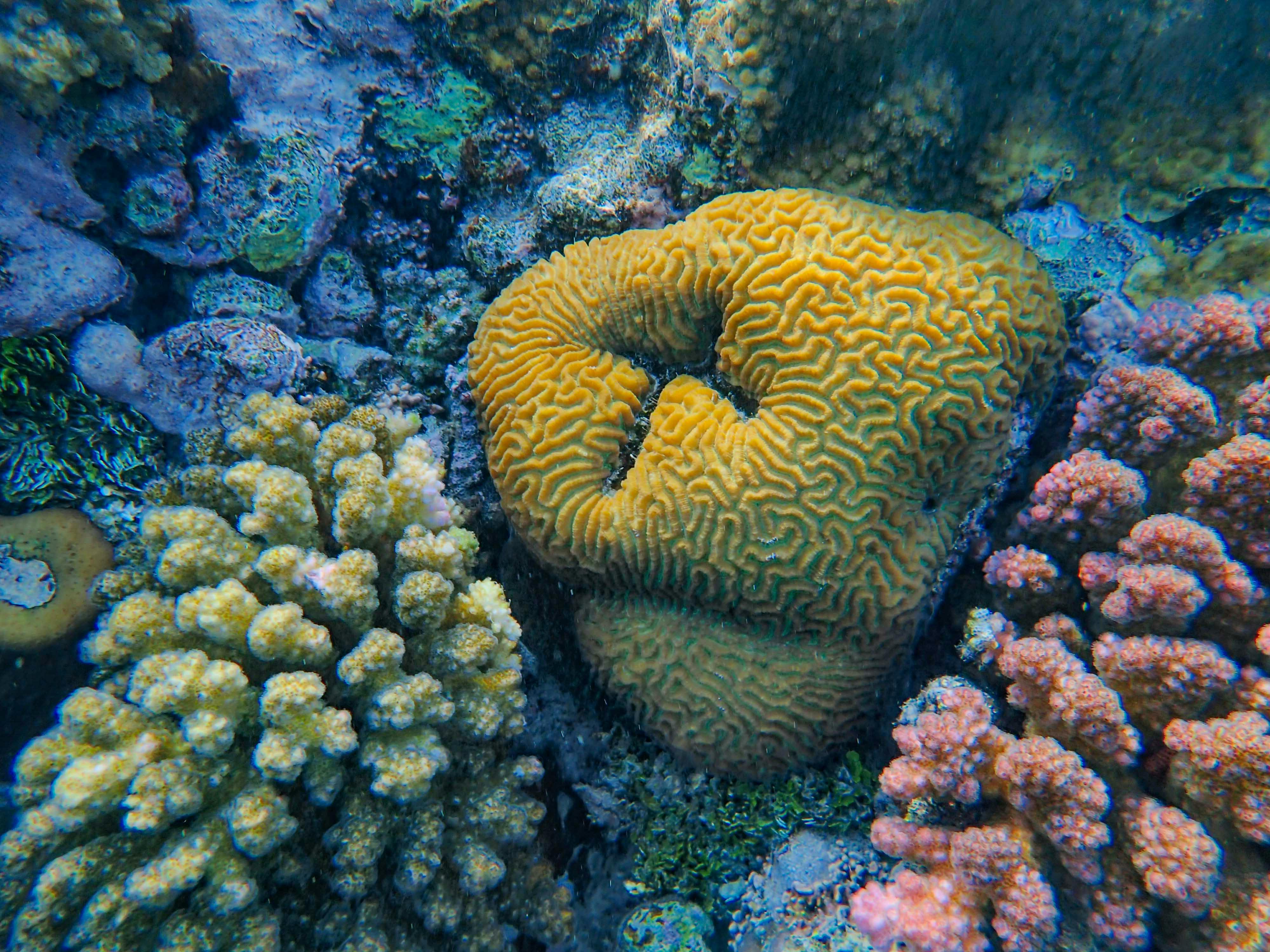
Imagine a hidden treasure, a vibrant underwater city teeming with life, much of it never before seen or formally documented by humanity. This is the reality beneath the azure waters surrounding Norfolk Island, a small, remote Australian territory. However, this ecological marvel is now staring down a catastrophic future, threatened by a confluence of environmental stressors and human development decisions.
WHAT HAPPENED
Unique coral reefs fringing Australia's remote Norfolk Island are currently facing an unprecedented triple threat: pervasive coral disease, the warming effects of the El Niño climate pattern, and, most critically, a recently approved federal government plan to dredge a neighbouring shipping channel. These new pressures compound existing environmental challenges, including significant sediment and pollution runoff from cattle farming, cleared land, and inadequate wastewater management, which have already weakened the delicate marine ecosystem.
WHO ARE THE KEY PLAYERS
The primary stakeholders in this unfolding environmental drama include the **Australian Federal Government**, specifically the department or agency responsible for approving the dredging project, whose decision is now under scrutiny. **Scientists and marine researchers** form another crucial group, acting as the primary voice of concern, highlighting the ecological significance of the corals and the potential irreparable damage. The local **community of Norfolk Island** also plays a vital role, as their livelihoods and heritage are intrinsically linked to the health of their surrounding marine environment. Finally, the **corals themselves**, though voiceless, are the central 'players' whose survival hangs in the balance.
UNDERSTANDING THE LOCATION
**Norfolk Island** is a small, external territory of Australia located in the Pacific Ocean, roughly 1,400 kilometres east of mainland Australia. Known for its rugged coastline, pine trees, and rich convict history, it is also home to a unique marine ecosystem. Its remote location has allowed for the evolution of distinct biodiversity, including coral species that scientists believe are largely *undescribed*, meaning they have not yet been formally identified or studied by science. The island’s economy relies heavily on tourism and agriculture, making the health of its natural environment paramount.
BACKGROUND AND CONTEXT
The vulnerability of Norfolk Island's marine environment is not a new concern. For years, the reefs have been silently battling the impacts of human activity on the island. Sediment from land clearing for agriculture, particularly **cattle farming**, washes into the bays, smothering corals and reducing light penetration. **Wastewater management** issues further introduce pollutants, degrading water quality and stressing the coral colonies. These chronic stressors have weakened the corals' resilience, making them more susceptible to natural phenomena like **coral disease** and the rising ocean temperatures associated with **El Niño**. El Niño is a natural climate pattern that causes warmer-than-average sea surface temperatures in the Pacific, leading to coral bleaching events globally. The approval of dredging activities now adds a direct and immediate physical threat to an already compromised ecosystem.
EXPLAINING IMPORTANT REFERENCES
**Coral disease** refers to various ailments affecting corals, often caused by pathogens like bacteria or fungi, which can lead to tissue loss, skeletal damage, and ultimately, colony death. These diseases are often exacerbated by environmental stress, such as pollution or elevated water temperatures.
**El Niño** is a significant climate phenomenon that occurs every few years, marked by a warming of the ocean surface temperatures in the central and eastern tropical Pacific Ocean. For marine ecosystems, this often translates to increased sea temperatures, which can trigger widespread **coral bleaching** – a process where corals expel the algae living in their tissues, causing them to turn white and often leading to death if temperatures remain high.
**Dredging** is the process of excavating material from the bottom of a body of water, typically to maintain or deepen navigation channels or to extract resources. While necessary for port maintenance or expansion, dredging can release vast plumes of sediment that smother corals, reduce light, and increase turbidity, severely impacting marine life. The noise and physical disturbance from the operation also contribute to habitat destruction.
IMPACT ANALYSIS
The potential loss of these unique, potentially undescribed coral species represents not just a local tragedy but a global scientific setback. Each undescribed species holds untold genetic information and potential for scientific discovery, from new pharmaceuticals to insights into climate resilience. Ecologically, the reefs act as critical habitats, coastal protection, and a foundation for local fisheries and tourism. Their degradation could lead to a collapse in marine biodiversity, increased coastal erosion, and significant economic hardship for Norfolk Island residents. The dredging project, while perhaps intended to improve shipping access, risks undermining the very natural assets that contribute to the island's long-term sustainability and appeal.
WHAT HAPPENS NEXT
Attention will now turn to the implementation of the dredging project and the efficacy of any mitigation measures put in place to protect the corals. Scientists will likely intensify monitoring efforts to assess the immediate and long-term impacts of the dredging, El Niño, and disease outbreaks. There may be calls for a re-evaluation of the dredging approval, stricter environmental regulations for land use and wastewater management on the island, and increased investment in marine conservation research. Public awareness campaigns and local advocacy efforts are also anticipated, aiming to pressure authorities into safeguarding this irreplaceable natural heritage.
HERO PERSPECTIVE
Leverage On Heroes Media believes that the plight of Norfolk Island's corals underscores a fundamental challenge facing humanity: balancing immediate developmental needs with the imperative of environmental stewardship. Our editorial stance is that the potential for irreversible ecological loss, especially concerning unique and undescribed species, demands a precautionary approach. Governments must prioritize robust scientific assessment and long-term environmental sustainability over short-term economic gains, ensuring that our natural heritage, particularly the irreplaceable biodiversity of places like Norfolk Island, is preserved for future generations. This is not just an environmental issue; it is a question of responsible governance and our collective legacy.
CLOSING
The fate of Norfolk Island's unique corals hangs precariously in the balance. The confluence of natural and human-induced threats demands immediate, concerted action and a re-evaluation of priorities. The world watches to see if this remote Australian territory will become a testament to proactive conservation or a cautionary tale of biodiversity lost.