HEADLINE
REA Launches 42 Renewable Energy Projects to Boost Rural Electrification
OPENING HOOK
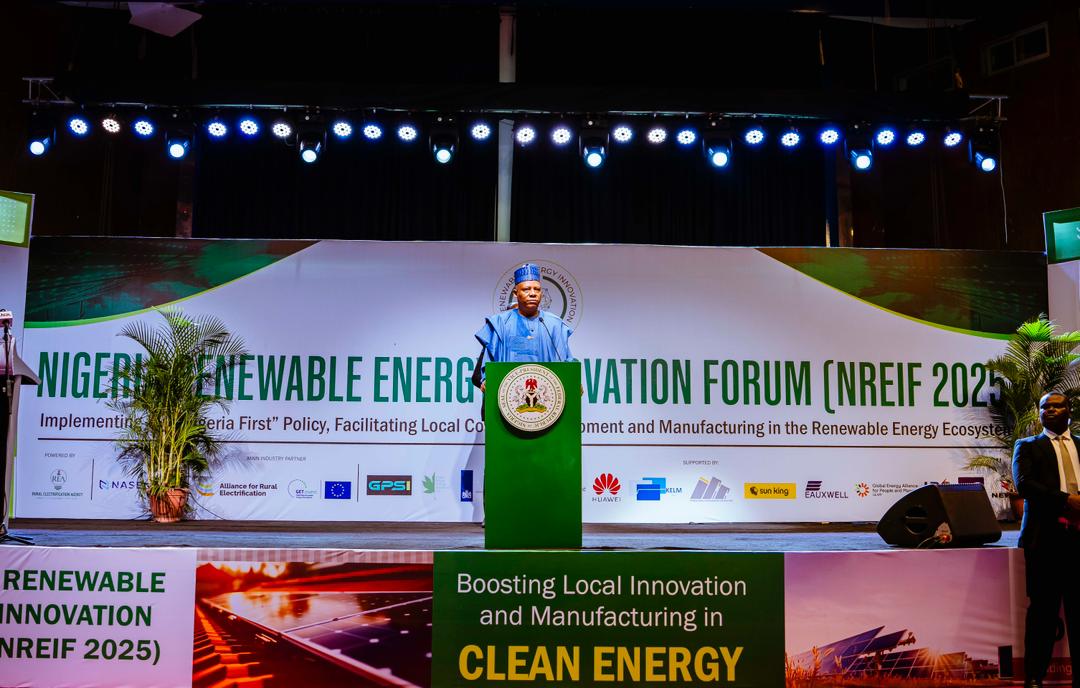
In a significant stride towards bridging the electricity deficit in Nigeria, the Rural Electrification Agency (REA) has officially commissioned 42 new renewable energy projects, primarily solar power initiatives, spread across communities in Adamawa and Kebbi states.
WHAT HAPPENED
The Rural Electrification Agency (REA) has commenced 42 renewable energy projects in Adamawa and Kebbi states. These projects are designed to significantly expand access to electricity for rural populations, thereby fostering economic development and improving the quality of life in these areas.
WHO ARE THE KEY PLAYERS
- **Rural Electrification Agency (REA):** This is a federal government agency under the Ministry of Power. Its core mandate is to provide electricity to unserved and underserved rural communities across Nigeria using various technologies, including renewable energy sources.
- **Adamawa State Government:** The state government provides the local administrative framework and support for the projects within its territory.
- **Kebbi State Government:** Similar to Adamawa, the Kebbi State Government is a key partner in facilitating the successful implementation of these electrification projects.
- **Beneficiary Communities:** These are the rural villages and towns in Adamawa and Kebbi states that will directly gain access to electricity through these projects.
UNDERSTANDING THE LOCATION
- **Adamawa State:** Located in the North-East Geopolitical Zone of Nigeria, Adamawa State is predominantly agrarian, with many communities facing challenges due to limited access to reliable electricity. The state capital is Yola.
- **Kebbi State:** Situated in the North-West Geopolitical Zone, Kebbi State is also known for its agricultural base. Like many rural areas in Nigeria, access to stable power has historically been a major hurdle for development. The state capital is Birnin Kebbi.
BACKGROUND AND CONTEXT
Nigeria faces a significant electricity access gap, with millions of citizens, particularly in rural areas, lacking reliable power. This deficit hinders economic activities, education, healthcare, and overall living standards. The Federal Government, through agencies like the REA, has been investing in both grid extension and off-grid solutions, with a growing emphasis on renewable energy due to its sustainability and suitability for remote locations. These 42 projects represent a continuation of this national strategy.
EXPLAINING IMPORTANT REFERENCES
- **Renewable Energy Projects:** These are initiatives that harness natural resources that replenish themselves, such as solar, wind, or hydro power. In this context, the projects are likely focused on solar photovoltaic systems, which convert sunlight directly into electricity. This is a sustainable alternative to fossil fuels.
- **Rural Electrification:** This refers to the process of bringing electricity supply to rural areas that are not connected to the national electricity grid or have unreliable power from it. It's crucial for reducing the urban-rural divide.
IMPACT ANALYSIS
The launch of these 42 projects is expected to have a multi-faceted positive impact. Economically, it will enable small businesses, artisans, and farmers to operate more efficiently, potentially leading to job creation and increased income. Socially, it will improve access to education through powered learning centers and enhance healthcare services with reliable power for medical equipment. Furthermore, access to electricity can reduce reliance on expensive and polluting alternatives like diesel generators or kerosene lamps, contributing to environmental sustainability and improved public health.
WHAT HAPPENS NEXT
The immediate next steps involve the physical implementation and commissioning of these projects. This includes the installation of solar panels, batteries, and distribution infrastructure, followed by connection to households and businesses. The REA will likely monitor the performance of these installations and provide maintenance support. Future developments could see the expansion of such projects to other underserved regions, building on the success and lessons learned from Adamawa and Kebbi.
HERO PERSPECTIVE
Leverage On Heroes Media views the REA's initiative as a critical step towards inclusive national development. By prioritizing renewable energy for rural electrification, the agency is not only addressing a fundamental infrastructure gap but also championing a sustainable energy future. This move empowers local economies, enhances social services, and demonstrates a commitment to leaving no community behind. Our editorial stance is that such targeted, impactful projects are the true engines of progress for ordinary Nigerians.
CLOSING
The successful rollout of these 42 renewable energy projects by the REA marks a significant advancement in Nigeria's quest for universal electricity access, promising a brighter and more sustainable future for thousands in Adamawa and Kebbi states.