HEADLINE
Road Carnage Claims 32 Lives Across Kwara, Kogi, Ogun States; FRSC Points to Speeding
OPENING HOOK
A somber cloud hangs over Nigeria's major highways as a devastating wave of road accidents has tragically claimed the lives of 32 individuals across Kwara, Kogi, and Ogun states. This grim toll underscores the persistent and often preventable challenges plaguing the nation's road safety efforts, prompting renewed calls for vigilance and adherence to traffic regulations.
WHAT HAPPENED
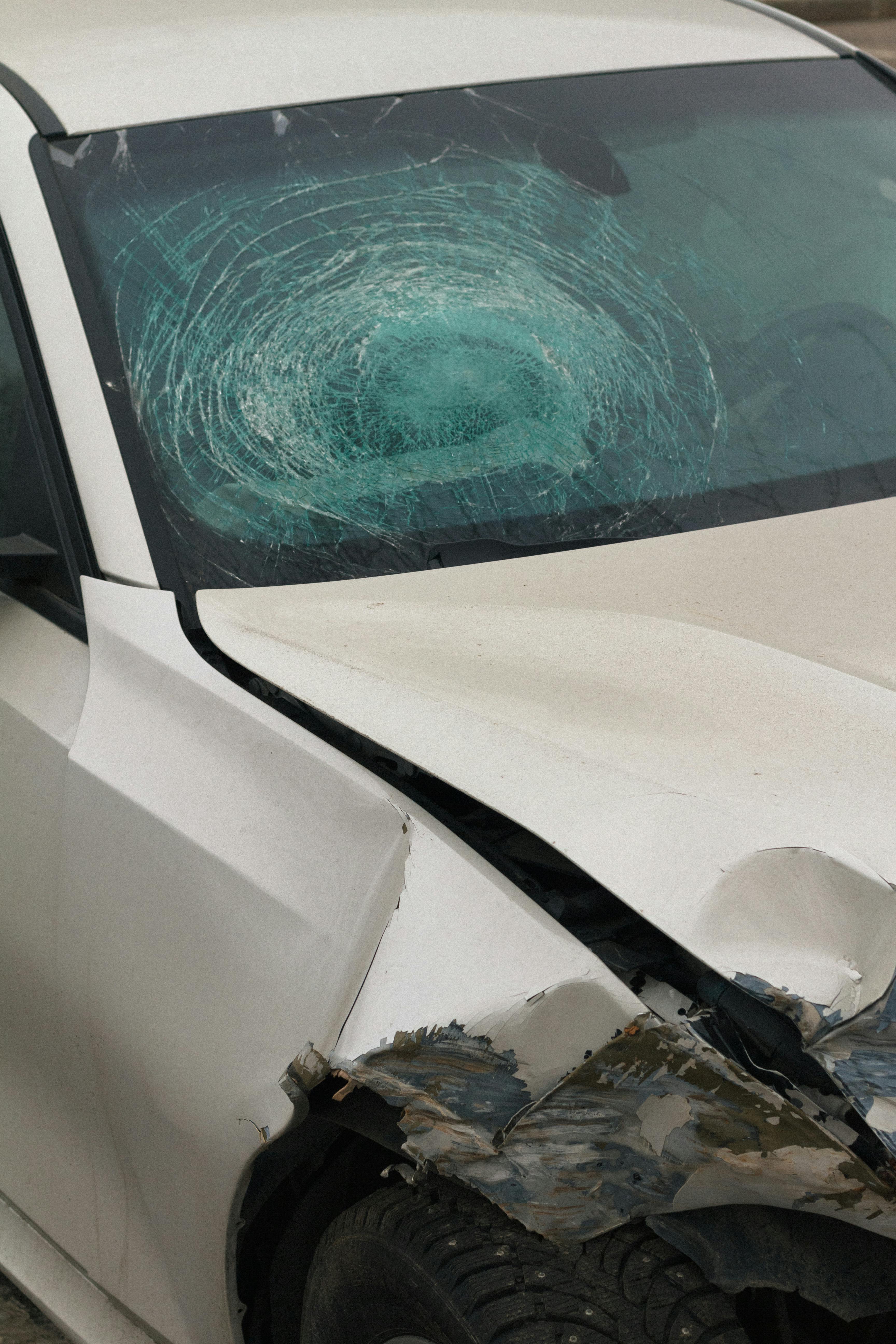
In a harrowing series of incidents, at least 32 individuals have tragically lost their lives in recent road crashes spanning Kwara, Kogi, and Ogun states. The Federal Road Safety Corps (FRSC), Nigeria's primary agency responsible for road safety management, has identified excessive speeding, driver fatigue, and wrongful overtaking as the primary culprits behind these fatal occurrences. These incidents highlight a critical period of heightened risk on Nigerian roads, often exacerbated by increased travel.
WHO ARE THE KEY PLAYERS
**Federal Road Safety Corps (FRSC):** Established in 1988, the FRSC is the government agency tasked with ensuring road safety in Nigeria. Its responsibilities include preventing and minimizing accidents, clearing obstructions, enforcing traffic laws, and educating the public on safe road practices. In this context, the FRSC acts as the primary investigator and communicator of accident causes.
**The Victims:** These are the 32 individuals who tragically lost their lives, along with their families and communities who bear the immediate and long-term brunt of these preventable incidents.
**Drivers:** The individuals operating the vehicles involved, whose actions, whether intentional or negligent, are often central to accident causation.
UNDERSTANDING THE LOCATION
The affected states – Kwara, Kogi, and Ogun – are strategically vital transit corridors within Nigeria:
**Kwara State:** Located in the North-Central geopolitical zone, Kwara serves as a gateway linking the South-Western and Northern parts of Nigeria. Its roads often experience heavy traffic, including articulated vehicles.
**Kogi State:** Also in the North-Central zone, Kogi is often referred to as the 'confluence state' due to the meeting of the Rivers Niger and Benue. It is a critical hub, connecting the North, South-West, South-East, and South-South geopolitical zones, making its highways exceptionally busy and prone to accidents.
**Ogun State:** Situated in the South-West geopolitical zone, Ogun shares borders with Lagos State, Nigeria's commercial nerve center. Its roads are major arteries for industrial activities and inter-state commerce, leading to high traffic volumes and increased accident potential.
BACKGROUND AND CONTEXT
Nigeria has historically grappled with a high incidence of road traffic accidents, consistently ranking among nations with significant road fatalities. Factors contributing to this grim reality include poor road infrastructure in some areas, non-adherence to traffic rules, inadequate vehicle maintenance, and pervasive driver behavioral issues such as speeding, driving under the influence, and disregard for road signs. The economic and social costs of these accidents are immense, placing a heavy burden on healthcare systems, families, and national productivity. Enforcement efforts by agencies like the FRSC are constant, yet the challenge persists.
EXPLAINING IMPORTANT REFERENCES
**Federal Road Safety Corps (FRSC):** As noted, this is Nigeria's lead agency on road safety, responsible for a wide array of duties from public enlightenment to enforcement and post-crash care. Their pronouncements on accident causes are based on investigations and data.
**Speeding:** This refers to driving above the legally prescribed speed limit or at a speed that is unsafe for prevailing road conditions. It significantly reduces a driver's reaction time and increases the severity of impact in the event of a collision.
**Fatigue:** Driver fatigue occurs when a driver is too tired to operate a vehicle safely. It impairs judgment, slows reaction time, and can lead to micro-sleeps, making it as dangerous as drunk driving.
**Wrongful Overtaking:** This involves passing another vehicle in an unsafe manner or in prohibited zones, such as bends, bridges, or areas with poor visibility. It often leads to head-on collisions, which are among the most fatal types of road accidents.
IMPACT ANALYSIS
The immediate impact of these tragedies is the irreplaceable loss of human lives, leaving behind grieving families and communities. Beyond the emotional toll, there are significant socio-economic repercussions. The loss of productive citizens impacts the workforce and national development. Healthcare facilities are strained by the influx of accident victims, and economic activity is disrupted by road closures and the cost of property damage. Furthermore, such frequent occurrences erode public confidence in road safety measures and contribute to a perception of insecurity on Nigerian highways.
WHAT HAPPENS NEXT
Following these tragic incidents, the Federal Road Safety Corps is expected to intensify its public enlightenment campaigns, particularly targeting drivers on major corridors in the affected states and across the nation. There will likely be increased enforcement activities, including stricter penalties for traffic violations such as speeding and wrongful overtaking. Discussions may also resurface regarding driver training, vehicle roadworthiness inspections, and the ongoing need for improved road infrastructure. The goal remains to mitigate future occurrences through a combination of education, enforcement, and engineering solutions.
HERO PERSPECTIVE
Leverage On Heroes Media believes that preventing such preventable tragedies requires a multi-faceted approach rooted in collective responsibility. While the FRSC's efforts are commendable, the onus also falls on every road user to prioritize safety, adhere to traffic laws, and exercise caution. Beyond enforcement, there is a critical need for sustained public education that goes beyond mere warnings, fostering a culture of responsible driving. Furthermore, a deeper investigation into the systemic issues of road maintenance, vehicle standards, and driver licensing processes is crucial to ensure that our roads are not just policed, but fundamentally safe for all Nigerians. We must demand accountability from all stakeholders – government, transport unions, and individual drivers – to transform our highways from death traps into safe conduits for progress.
CLOSING
As Nigeria grapples with the recurring nightmare of road fatalities, the recent loss of 32 lives serves as a stark reminder of the urgent need for a collective and sustained commitment to road safety. The call for vigilance, responsible driving, and robust enforcement echoes louder than ever, urging every Nigerian to play their part in ensuring that our journeys are not just efficient, but above all, safe.