
HEADLINE
South Africa: Aid Group Warns of Mounting Humanitarian Crisis as Migrant Intimidation Rises
OPENING HOOK
The vibrant pulse of South Africa, a nation often seen as a beacon of hope and economic opportunity on the continent, is currently shadowed by growing social tensions. A recent report highlights a concerning trend where African migrants are facing increased intimidation from local protesters, leading to significant humanitarian challenges that demand urgent attention.
WHAT HAPPENED
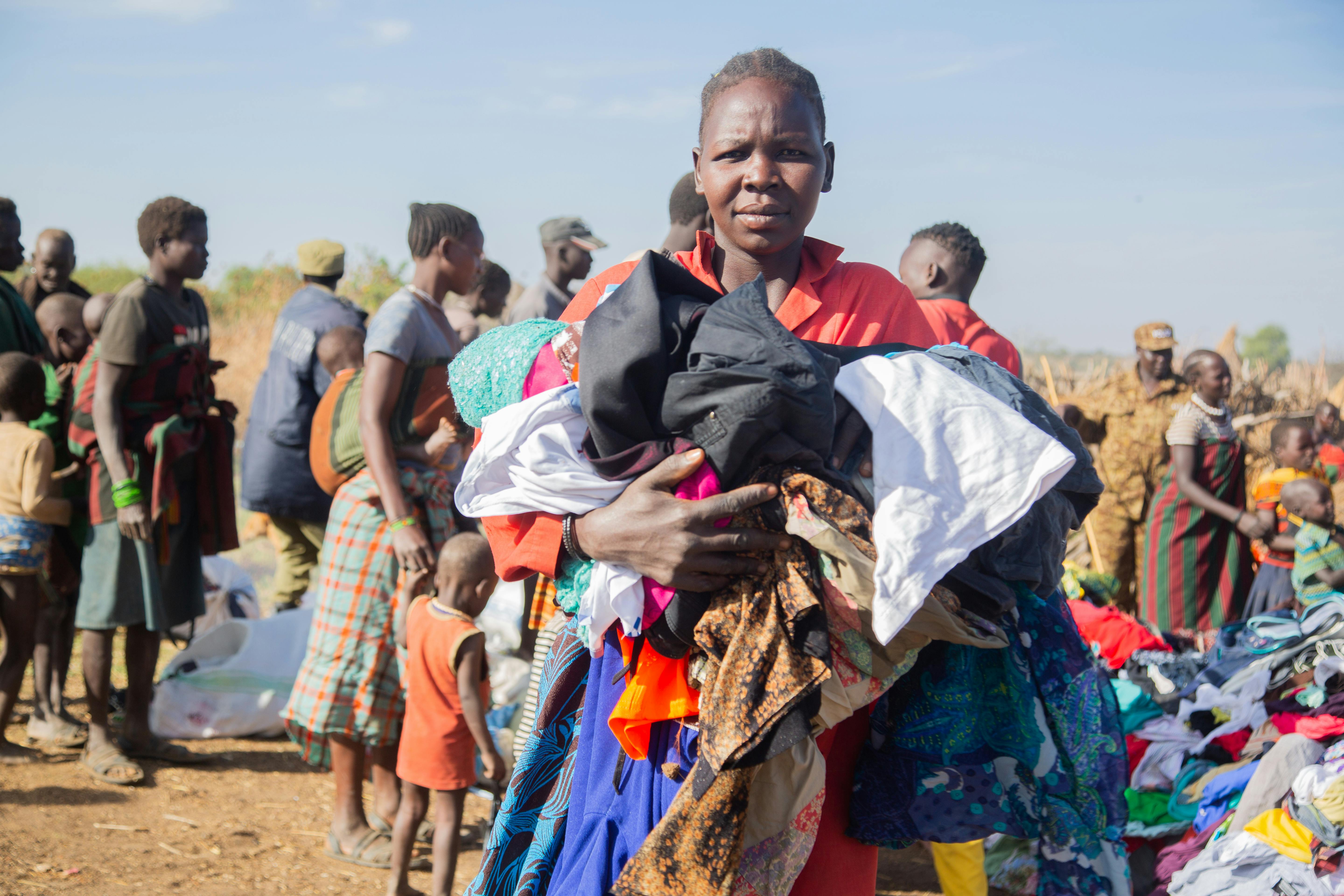
Doctors Without Borders, globally known by its French acronym MSF, has raised an alarm over the deteriorating situation for tens of thousands of African migrants in South Africa. The international humanitarian medical organisation warns of a severe increase in humanitarian needs as these vulnerable populations are subjected to intimidation by local protesters, forcing many into displacement and precarious living conditions. This development underscores a simmering social unrest that periodically flares up, targeting non-South African nationals.
WHO ARE THE KEY PLAYERS
The primary actors in this unfolding scenario include **African migrants**, individuals who have migrated to South Africa from various other African countries, often in search of economic opportunities or refuge from instability. **South African protesters** represent segments of the local populace who express grievances, often related to perceived competition for jobs, housing, and social services, by targeting foreign nationals. **Doctors Without Borders (MSF)** is an international humanitarian medical non-governmental organisation that provides emergency medical assistance to people affected by conflict, epidemics, disasters, or exclusion from healthcare. Their role here is to assess and address the health and humanitarian needs of the displaced migrants. The **South African government** is an implicit key player, bearing the responsibility for maintaining law and order, protecting all residents, and addressing the underlying socio-economic issues that fuel xenophobia.
UNDERSTANDING THE LOCATION
South Africa, located at the southern tip of the African continent, is one of Africa's largest and most developed economies. Its major cities like Johannesburg and Cape Town are magnets for migrants seeking better prospects. Historically, the nation grappled with apartheid, a system of institutionalised racial segregation. Post-apartheid, the country has faced significant challenges including high unemployment, inequality, and crime, which often fuel social tensions, sometimes manifesting as xenophobia against foreign nationals.
BACKGROUND AND CONTEXT
The intimidation of foreign nationals in South Africa is not a new phenomenon. The country has a history of xenophobic violence, with significant outbreaks occurring in 2008, 2015, and 2019. These incidents are often rooted in socio-economic frustrations, where local populations, particularly in impoverished communities, perceive foreign nationals as competitors for scarce resources like jobs, housing, and business opportunities. The post-apartheid promise of a better life for all South Africans has been slow to materialise for many, leading to scapegoating of migrants. This resentment is sometimes exploited by political figures, further exacerbating tensions and leading to the current situation where aid groups like MSF must step in to address growing humanitarian needs.
EXPLAINING IMPORTANT REFERENCES
**Doctors Without Borders (MSF)**, or *Médecins Sans Frontières*, is a Nobel Peace Prize-winning global humanitarian organisation. They operate independently and impartially, providing medical aid where it is most needed, often in complex and dangerous environments. Their presence in South Africa, offering assistance to displaced migrants, highlights the severity of the humanitarian crisis on the ground. **Xenophobia** is an intense or irrational dislike or fear of people from other countries. In South Africa, it often translates into discriminatory practices, harassment, and violence against non-nationals. **Displacement** refers to the forced movement of people from their homes or habitual place of residence, usually due to violence, persecution, conflict, or natural disaster. In this context, it means migrants are being forced to abandon their homes and livelihoods due to intimidation and threats.
IMPACT ANALYSIS
The intimidation and displacement of African migrants in South Africa carry severe implications. Firstly, there is a profound human cost, with individuals losing their homes, livelihoods, and access to essential services, leading to psychological trauma and physical insecurity. For Nigeria, a major source of migrants to South Africa, this situation is particularly concerning, as it affects the welfare of its citizens abroad. Secondly, it damages South Africa's international reputation as a democratic and inclusive nation, potentially impacting foreign investment and diplomatic relations, especially within the African Union. Economically, the disruption caused by such unrest can deter trade and investment, while the loss of migrant labour, often in informal sectors, can also have ripple effects. The humanitarian burden on organisations like MSF increases, stretching their resources and diverting attention from other critical health needs.
WHAT HAPPENS NEXT
The immediate focus will be on the humanitarian response, with organisations like MSF continuing to provide essential aid to displaced migrants. The South African government faces pressure to intervene decisively to protect foreign nationals, enforce the rule of law, and address the root causes of xenophobia, including high unemployment and inequality. There may be calls for stronger regional cooperation, possibly through the Southern African Development Community (SADC) and the African Union, to manage migration flows and ensure the safety of all African citizens within member states. Long-term solutions will require sustained efforts in community integration, economic empowerment programs for both locals and migrants, and public education campaigns to foster tolerance and understanding.
HERO PERSPECTIVE
Leverage On Heroes Media believes that the dignity and safety of all Africans, regardless of their nationality, must be upheld. The ongoing intimidation of migrants in South Africa is a stain on the continent's collective conscience and a stark reminder that true progress lies in unity and mutual respect. We advocate for robust governance that protects the rights of all residents, alongside comprehensive strategies to tackle socio-economic disparities that fuel division. African nations must work together to create environments where all citizens can thrive, fostering solidarity over xenophobia.
CLOSING
The escalating humanitarian crisis for African migrants in South Africa demands immediate and concerted action. The warnings from Doctors Without Borders serve as a critical alert, highlighting the urgent need for protection, assistance, and sustainable solutions to ensure the safety and well-being of all who call South Africa home, regardless of their origin.