
HEADLINE
Vice President Shettima Calls for End to Unprocessed Export of Raw Materials Across Africa
OPENING HOOK
For decades, African economies have exported raw minerals and agricultural produce only to buy back processed goods at inflated prices, leaving primary wealth on foreign shores. Vice President Kashim Shettima is now demanding a bold shift toward local value addition to secure Africa's financial future and economic sovereignty.
WHAT HAPPENED
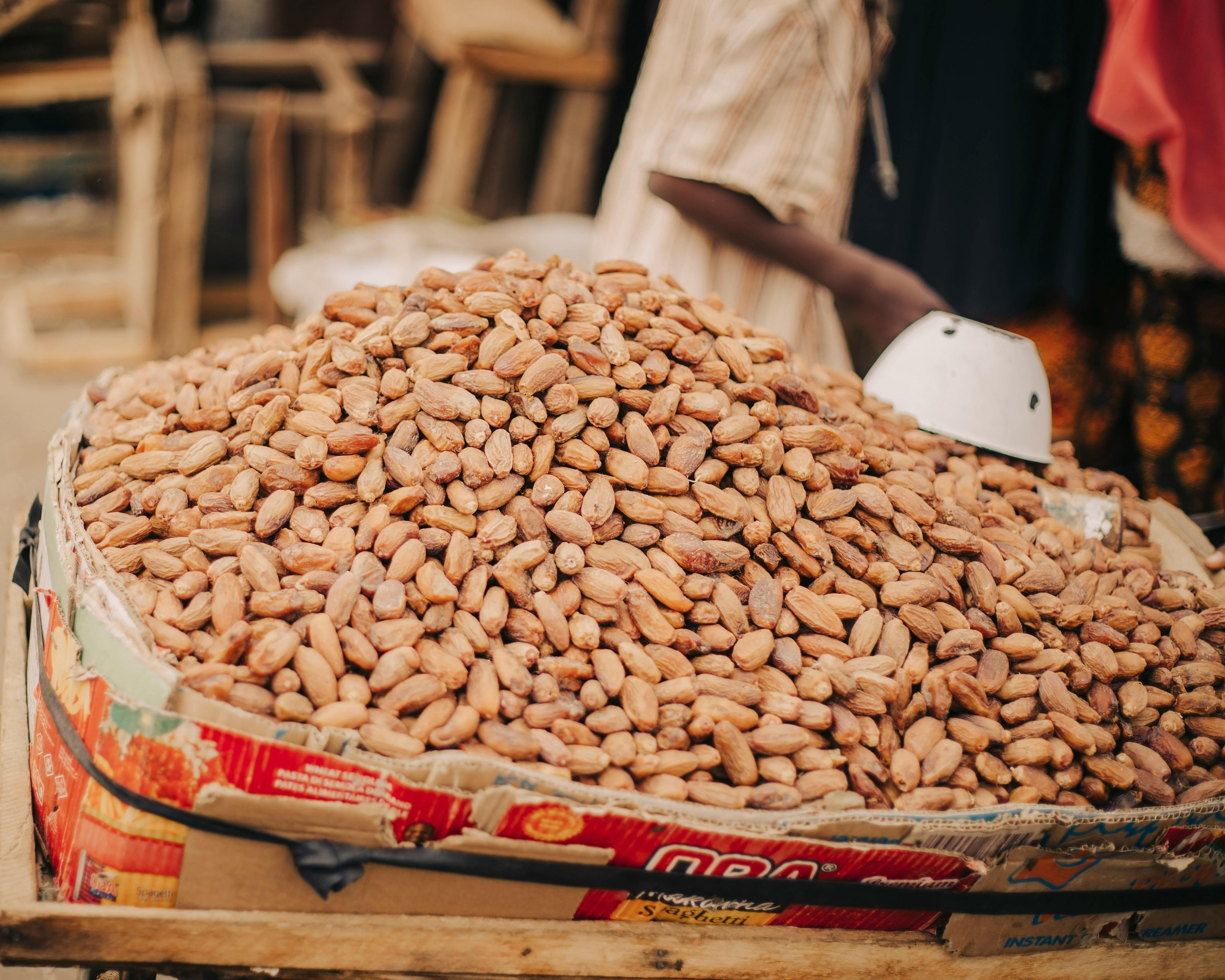
Vice President Kashim Shettima has urged African countries to immediately halt the export of unprocessed raw materials and focus on refining commodities locally to gain control over their natural resources and expand their share of global trade. Speaking on behalf of the Nigerian government, Shettima emphasized that Africa's continuous reliance on exporting primary commodities deprives the continent of critical industrial growth, job creation, and foreign exchange stability.
WHO ARE THE KEY PLAYERS
- **Kashim Shettima**: Vice President of Nigeria (serving alongside President Bola Ahmed Tinubu), representing the Nigerian government's economic agenda on the continental stage.
- **African Trade Ministers and Policy Makers**: Governmental officials across the continent who design import-export regulations, tariffs, and industrialization frameworks.
- **African Manufacturers and Industrialists**: Business owners and investors operating within Nigeria and across Africa who require stable policies and infrastructure to scale up production.
UNDERSTANDING THE LOCATION
The policy push applies to nations across Africa, with direct operational impact on major trade hubs like Nigeria. In Nigeria, key commercial centers such as Lagos, Kano, and Port Harcourt, alongside mineral-rich areas in the North-Central and South-East, stand to benefit directly from expanded local processing industries.
BACKGROUND AND CONTEXT
Historically, post-colonial African economies have operated as primary extraction zones, supplying crude oil, unrefined solid minerals, and raw agricultural goods like cocoa and cashew nuts to Asia, Europe, and North America. In Nigeria, crude petroleum—which is refined into Petrol or Premium Motor Spirit (PMS)—and unprocessed crops have long dominated export revenues.
Over the years, institutions like the Central Bank of Nigeria (CBN) and the Federal Ministry of Industry, Trade and Investment have introduced various export-incentive schemes. However, systemic issues such as erratic power supply, high transport costs, and foreign exchange volatility have traditionally slowed down full-scale local manufacturing.
EXPLAINING IMPORTANT REFERENCES
To understand this economic proposal, several core concepts require simple explanation: - **Value Addition**: The process of taking a basic raw material—such as transforming crude oil into PMS, or raw cocoa into cocoa butter—before selling it, which increases market value and retains profits locally. - **Foreign Exchange (Forex)**: Foreign money (like US dollars) needed to buy goods internationally. Processing raw goods locally reduces the need to spend foreign exchange on imported refined products. - **African Continental Free Trade Area (AfCFTA)**: A continent-wide trade agreement created to build a single market for goods and services across Africa, making regional trade easier.
IMPACT ANALYSIS
Transitioning away from raw exports impacts the economy across several levels: - **For Everyday Citizens**: Local manufacturing creates factory jobs for young people and reduces dependency on costly imported consumer goods. This helps stabilize local market prices, transport costs, and daily household expenses. - **Across Geopolitical Zones**: Agricultural processing facilities will boost income for farmers in the North-West and North-East, while mineral processing will drive growth in the North-Central region. Industrialized ports and manufacturing zones in the South-West, South-South, and South-East will experience increased trade traffic. - **For Macroeconomic Balance**: Selling higher-value finished goods helps African nations earn stronger foreign reserves, protecting local currencies against international inflation.
WHAT HAPPENS NEXT
African governments will need to convert Vice President Shettima's proposal into binding policy frameworks and trade tariffs that discourage raw exports while providing tax breaks for processing equipment. Global investors and domestic business operators will watch how regional trade bodies harmonize rules to support infrastructure development.
HERO PERSPECTIVE
At Leverage On Heroes Media, our editorial stance—**The Value-Retention Imperative**—maintains that rhetoric alone cannot transform Africa from a resource extraction zone into an industrial power. True economic progress demands immediate implementation: governments must provide reliable energy, affordable business loans, and transparent trade regulations so that local processors can operate competitively.
CLOSING
As African nations navigate global economic challenges, shifting from raw material exports to local processing remains a pivotal test of leadership. Whether regional governments can establish the infrastructure required to fulfill Vice President Shettima's mandate will define the continent's industrial status for decades to come.