
HEADLINE
China's Solar Cell Exports Dip for Second Month, Signalling Global Demand Shift
OPENING HOOK
The global push for sustainable energy is at a critical juncture, and new economic indicators from China, the world's leading manufacturer of solar technology, suggest a significant shift in market dynamics. For two consecutive months, China's solar cell exports have recorded a decline, raising questions about the future trajectory of international demand for renewable energy components.
WHAT HAPPENED
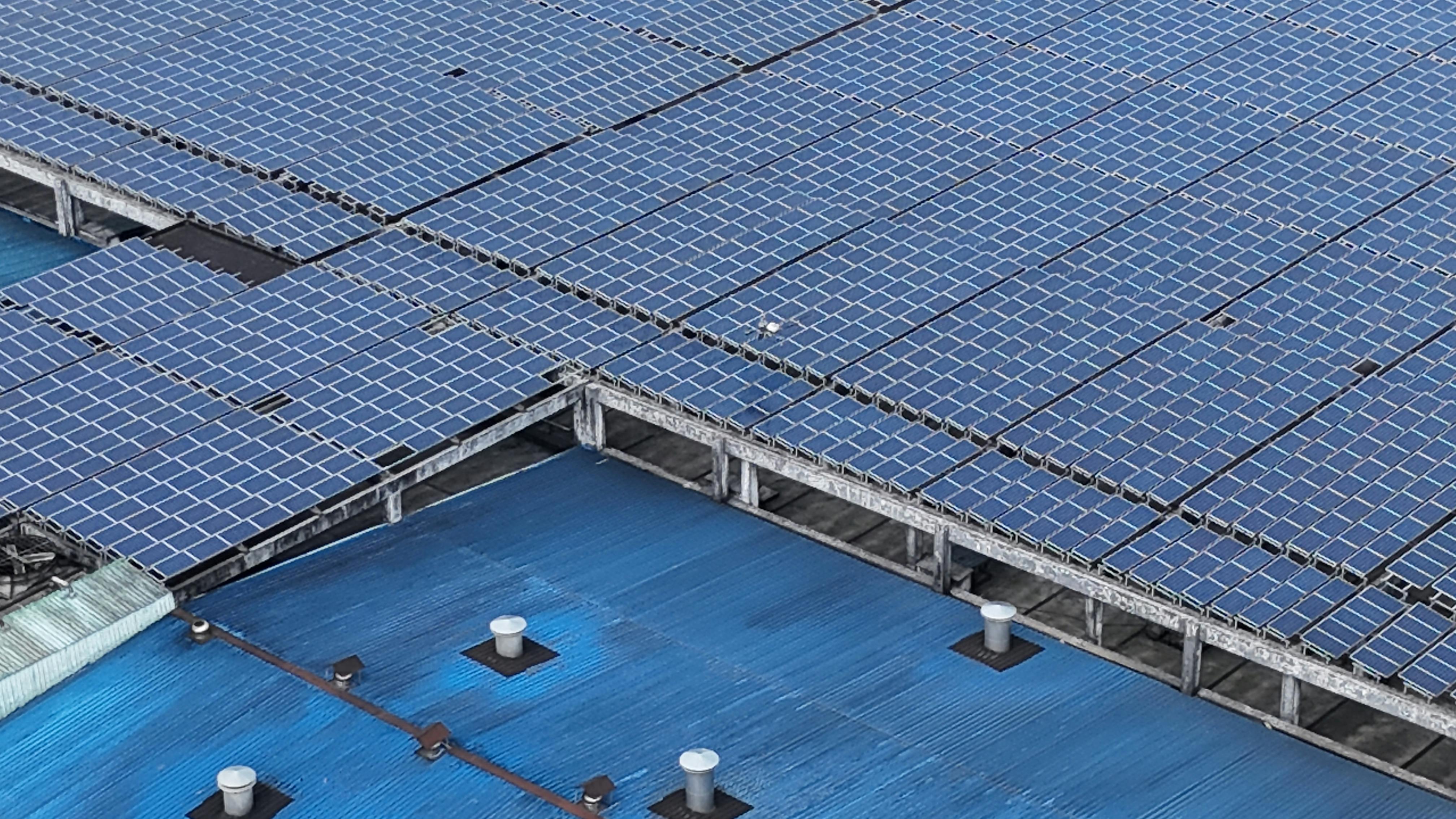
China's exports of solar cells, the fundamental components used in solar panels, experienced a second consecutive monthly decline in June. This sustained reduction in shipments follows a period of robust growth earlier in the year, and analysts are interpreting it as a clear indication that international demand for these crucial renewable energy technologies may be weakening.
WHO ARE THE KEY PLAYERS
**China (People's Republic of China):** The world's most populous country and a global economic powerhouse, China has established itself as the dominant force in the manufacturing and export of solar energy components, including solar cells and panels. Its industrial policies and vast production capacity significantly influence global supply and pricing.
**Chinese Solar Cell Manufacturers:** These are the numerous companies within China responsible for the research, development, and mass production of solar cells. Their collective output dictates the volume of exports and their competitiveness in the international market.
**International Markets/Consumers:** This refers to the global network of countries, businesses, and individuals who import and utilize Chinese-made solar cells for their renewable energy projects, ranging from large-scale solar farms to residential rooftop installations.
UNDERSTANDING THE LOCATION
China, located in East Asia, is not just a geographical location but a central pillar of the global manufacturing economy. Its strategic investments in renewable energy technology over the past decades have transformed it into the undisputed leader in solar panel production. The country's vast industrial zones, particularly in provinces like Jiangsu, Zhejiang, and Guangdong, are home to many of the world's largest solar cell and panel factories, making its export performance a critical barometer for the global clean energy transition.
BACKGROUND AND CONTEXT
The solar energy sector has witnessed phenomenal growth globally, driven by increasing environmental concerns, government incentives, and the falling cost of solar technology. China has been at the forefront of this revolution, heavily subsidizing its solar industry to achieve economies of scale unmatched elsewhere. Earlier this year, China's solar cell exports saw a significant surge, fueled by factors such as the energy crisis in Europe, which spurred a rush for alternative energy sources, and global commitments to reduce carbon emissions. However, the current two-month decline suggests that this period of accelerated demand might be moderating, possibly due to inventory build-up in importing countries, economic slowdowns affecting investment, or increased domestic production capabilities in other regions.
EXPLAINING IMPORTANT REFERENCES
**Solar Cells:** In simple Nigerian English, these are like the small, special plates or chips made of materials like silicon that capture sunlight and convert it directly into electricity. They are the core building blocks of what we commonly call solar panels, which are then used to power homes, businesses, and even entire communities.
**Exports:** This is the economic term for when a country sells goods or services produced within its borders to customers in other countries. In this case, China is exporting its manufactured solar cells to buyers around the world.
**Weakening Demand:** This means that the desire or need for a particular product (solar cells, in this context) from international buyers is decreasing. Fewer orders are coming in, or existing orders are being scaled back. This can lead to reduced production, lower prices, and slower growth for the exporting industry.
IMPACT ANALYSIS
The sustained decline in China's solar cell exports carries significant implications. For China, it could signal a slowdown in one of its key manufacturing sectors, potentially affecting employment and economic growth in regions heavily reliant on solar production. Manufacturers might face pressure to reduce prices or diversify their markets. Globally, a weakening of demand could lead to an oversupply of solar cells, potentially driving down prices for solar panels. While this might seem beneficial for countries like Nigeria, which are looking to expand their renewable energy infrastructure, it also suggests a potential cooling in the rapid expansion of solar adoption that we've seen. This could impact investment decisions in new solar projects worldwide and influence the pace of the global energy transition. It also raises questions about market saturation and the long-term stability of the global solar supply chain.
WHAT HAPPENS NEXT
Market watchers will closely monitor China's export figures in the coming months to determine if this trend is a temporary blip or a more sustained shift in global demand. Chinese manufacturers may need to adapt their production strategies, possibly focusing more on domestic consumption or exploring new export markets. Internationally, countries reliant on Chinese solar cells might reassess their supply chain vulnerabilities and potentially accelerate efforts to develop their own manufacturing capabilities. The trajectory of global economic growth and the stability of energy policies in major importing nations will also play a crucial role in shaping the demand for solar technology moving forward.
HERO PERSPECTIVE
Leverage On Heroes Media views this development as a critical indicator for Nigeria's energy future. As the global renewable energy market matures and shifts, understanding these dynamics is paramount. A potential drop in global solar component prices, while a short-term boon for Nigerian consumers and businesses looking to adopt solar, also underscores the importance of a diversified and resilient energy strategy. Nigeria must closely watch these global trends to inform its national energy policies, encourage local content development in the renewable sector, and ensure our journey towards sustainable energy independence is built on a solid, informed foundation, rather than solely relying on external market forces.
CLOSING
The recent dip in China's solar cell exports serves as a reminder that even the most robust global markets are subject to economic forces and demand fluctuations. As the world continues its transition to cleaner energy, these shifts will undoubtedly shape the pace and direction of renewable technology adoption, with far-reaching consequences for economies worldwide, including Nigeria's.