HEADLINE
Disaster Averted as Emergency Teams Quench Gas Tanker and Supermarket Fires in Lagos
OPENING HOOK
In a densely populated commercial hub where a single spark can devastate entire livelihoods, prompt and courageous intervention by emergency services recently pulled residents from the brink of catastrophe.
WHAT HAPPENED
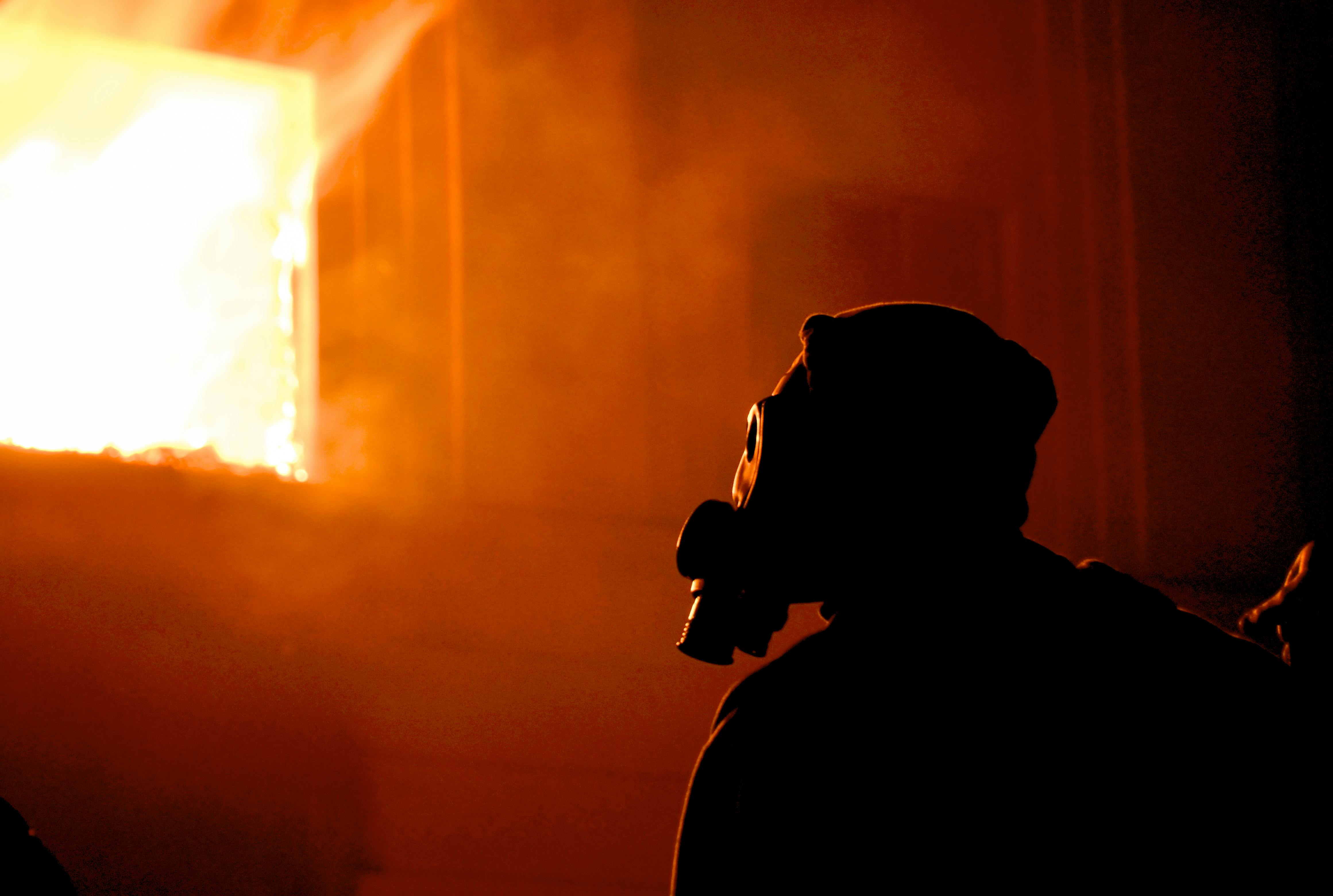
Emergency responders successfully contained two separate fire incidents in Lagos, one involving a gas-laden tanker and the other gutting a commercial supermarket. No casualties were recorded during either incident, averting what could have been a catastrophic loss of lives and property. Firefighters and rescue personnel deployed quickly to both locations, cordoning off the areas and preventing the raging flames from spreading to nearby residential buildings and busy commercial stalls.
WHO ARE THE KEY PLAYERS
At the center of this response are the dedicated officers of the Lagos State fire and emergency management agencies. These front-line personnel put their lives on the line daily, navigating heavy traffic and challenging urban conditions to battle raging infernos. Store owners, residents, and eyewitnesses also played vital roles by raising immediate alarms and maintaining safe distances to allow rescue teams unhindered access.
UNDERSTANDING THE LOCATION
Lagos serves as the commercial capital and economic heartbeat of Nigeria. Known for its intense human traffic, bustling markets, and congested vehicular movement, managing industrial and domestic emergencies here requires exceptional operational speed. The sheer density of residential and commercial structures means that any uncontrolled fire can quickly multiply, threatening the financial survival of everyday traders and families.
BACKGROUND AND CONTEXT
Accidents involving petroleum product and gas-laden transport trucks are an ongoing hazard across major Nigerian transport corridors and urban centres. Poor vehicle maintenance, bad roads, and intense traffic congestion often heighten these risks. Similarly, commercial supermarkets and markets face recurring fire threats due to electrical surges or improper storage of flammable goods. Ensuring strict safety enforcement remains a major challenge for regulatory bodies.
EXPLAINING IMPORTANT REFERENCES
In emergency reporting, terms like 'gas-laden tanker' refer to heavy-duty trucks transporting liquefied petroleum gas or petrol under high pressure, which poses massive explosive risks if exposed to heat or friction. 'Emergency responders' encompass coordinated teams of firefighters, traffic managers, and medical personnel trained to handle disaster scenarios.
IMPACT ANALYSIS
While the immediate financial toll is limited to the affected tanker and the supermarket stock, the psychological impact on local business owners is significant. For an average trader, replacing lost inventory from a fire can cost millions of naira, often requiring expensive commercial loans or wiping out years of hard-earned savings. Conversely, the successful containment reinforces public confidence in the responsiveness of state emergency services.
WHAT HAPPENS NEXT
Investigations into the exact causes of both fires are expected to follow. Regulatory agencies will likely review safety compliance protocols for fuel transporters and commercial buildings across Lagos to forestall recurrence. Citizens are urged to remain vigilant and report suspected safety hazards immediately.
HERO PERSPECTIVE
At Leverage On Heroes Media, our editorial angle focuses on celebrating the unsung bravery of our local emergency workers while demanding stricter preventive safety measures from commercial operators to protect everyday Nigerian livelihoods.
CLOSING
As Lagos continues to drive national commerce, safeguarding public infrastructure and human lives against avoidable disasters remains a shared responsibility for both government agencies and citizens alike.