
HEADLINE
Global Markets Mixed and Oil Prices Surge as Iran Conflict Escalates
OPENING HOOK
When heavy smoke rises in the Middle East, the ripple effect is felt directly inside Nigerian transport parks and local markets.
WHAT HAPPENED
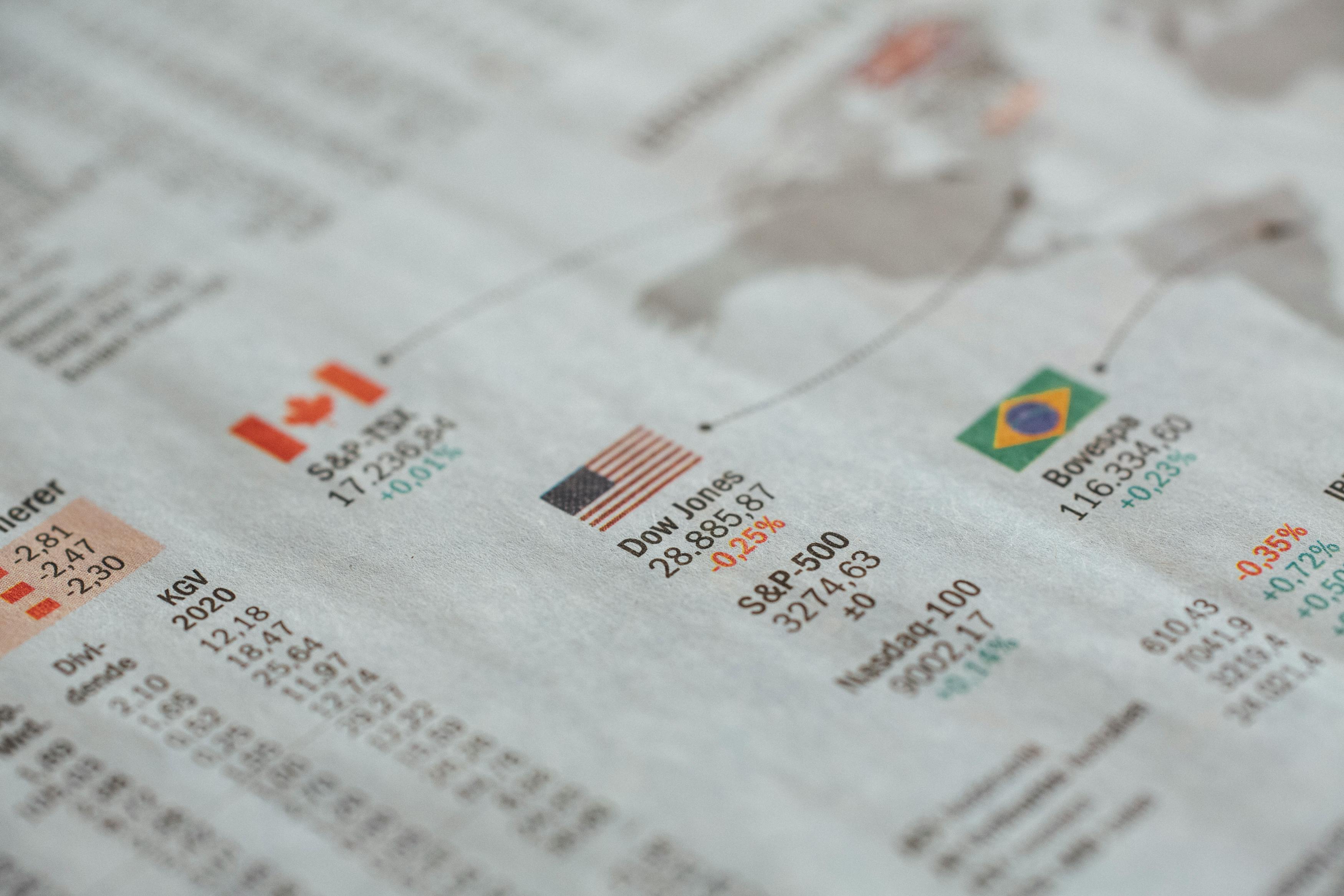
Crude oil prices climbed by another three percent on Wednesday as ongoing military conflict involving Iran continued to disrupt global energy markets, while stock markets in the United States drifted in mixed trading.
WHO ARE THE KEY PLAYERS
Key international actors include the United States government under President Donald J. Trump, alongside military and political leadership inside Iran. On the domestic front, the Nigerian National Petroleum Company (NNPC) manages the country's petroleum assets, while the Central Bank of Nigeria (CBN) monitors how global crude shocks impact local inflation and foreign exchange reserves.
UNDERSTANDING THE LOCATION
Trading floors on Wall Street in New York, United States, drive international equities, while global oil benchmarks are heavily influenced by shipping routes in the Middle East, particularly the Strait of Hormuz. For Nigerians, these distant events immediately dictate the cost of imported refined petroleum products landing at ports in Lagos and Rivers State.
BACKGROUND AND CONTEXT
Geopolitical tensions in the Middle East have historically acted as a primary driver of global crude oil price volatility. When supply lines face threats of disruption, international Brent crude prices surge. In Nigeria, a country that exports crude oil but imports nearly all of its refined petrol (Premium Motor Spirit - PMS), global price spikes can quickly complicate domestic fuel pricing templates and transport costs.
EXPLAINING IMPORTANT REFERENCES
Crude oil is the raw, unrefined black liquid pumped from the ground before it is processed into petrol, diesel, and kerosene. Wall Street refers to the financial markets of the United States, which serve as a barometer for global investor confidence. Inflation is the general rise in the prices of goods and services, which makes everyday items like food and transport more expensive for the average Nigerian family.
IMPACT ANALYSIS
Higher global oil prices can theoretically boost foreign exchange earnings for the Nigerian government through the NNPC. However, if the cost of importing refined PMS rises faster than pump prices, domestic subsidy pressures or scarcity can return, driving up transport fares and market prices for food items across all six geopolitical zones.
WHAT HAPPENS NEXT
Financial analysts will closely monitor diplomatic developments in the Middle East and upcoming supply decisions by major oil-producing nations. Domestically, economists will watch how the CBN manages the exchange rate and whether retail fuel prices adjust at local filling stations.
HERO PERSPECTIVE
At Leverage On Heroes Media, our editorial angle focuses on resilience and resourcefulness. We examine how ordinary Nigerians navigate global economic shocks and advocate for local economic independence through domestic refining and agricultural productivity.
CLOSING
As global markets continue to react to unfolding events, staying informed remains the best tool for financial planning and business survival.