
HEADLINE
India's Student 'Cockroach' Movement Halts Protests Following Minister Dharmendra Pradhan's Resignation
OPENING HOOK
When a population adopts the moniker of a resilient pest that refuses to be crushed, governments ignore them at their peril; in India, that resolve has just yielded a major political scalp.
WHAT HAPPENED
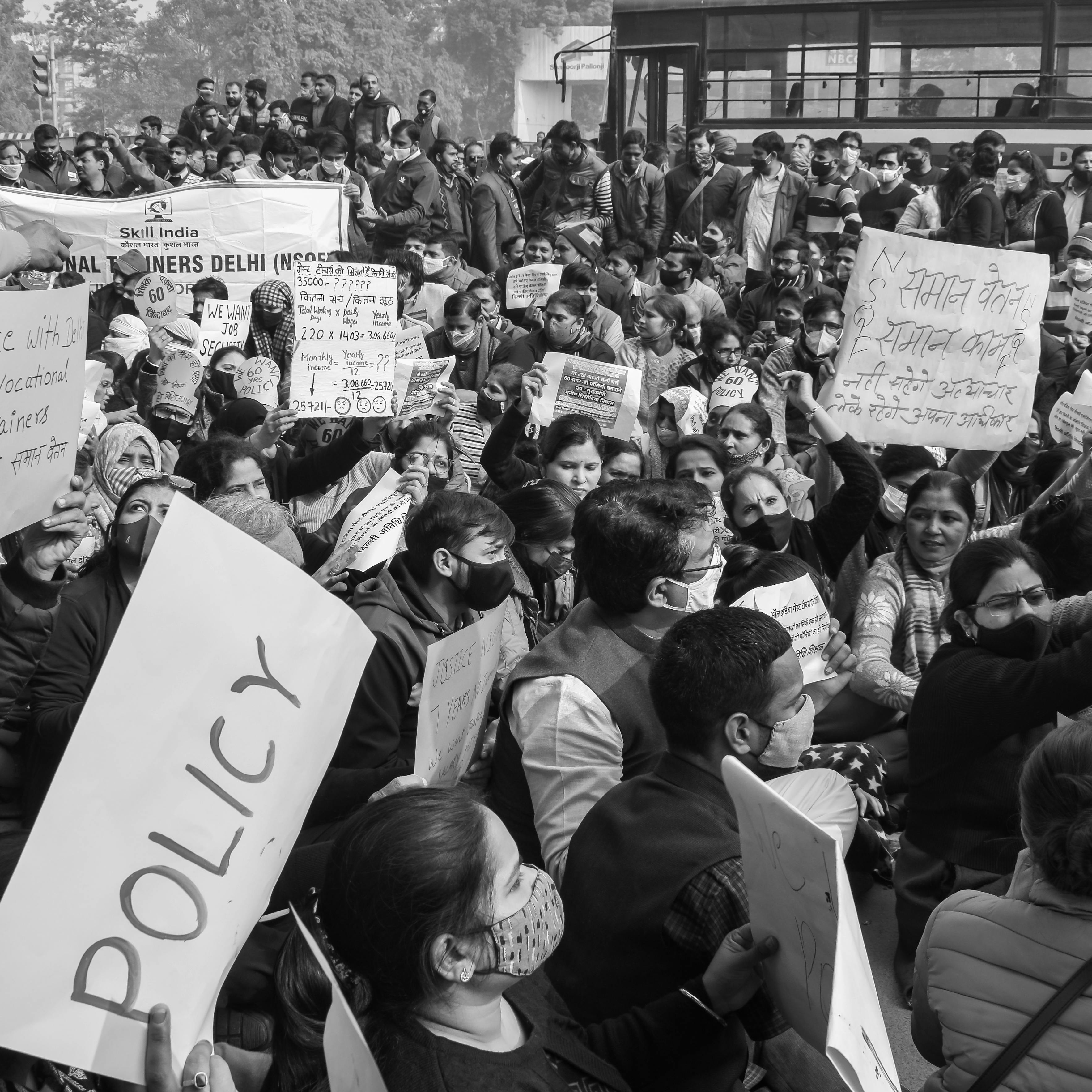
Protests led by India's burgeoning student movement have officially been halted after the resignation of Union Minister Dharmendra Pradhan. The removal of the high-ranking official was the central demand driving weeks of intense demonstrations, street rallies, and civil friction across key urban centers. With his departure, the student coalition declared a temporary suspension of their disruptive campaigns, signaling a rare tactical victory for youth-led political mobilization in the country.
WHO ARE THE KEY PLAYERS
Dharmendra Pradhan is the prominent Indian government minister whose departure catalyzed the end of the demonstrations. He has long held influential portfolios within the central administration. Pitting themselves against his tenure was the student movement, a grassroots coalition adopting the self-descriptor 'cockroach' to symbolize their indomitable survival instincts against heavy-handed political suppression.
UNDERSTANDING THE LOCATION
New Delhi and major urban hubs across India served as the primary staging grounds for these demonstrations. India is the world's most populous democracy, characterized by a vast, politically active youth demographic that frequently utilizes street protests to demand institutional reform, better economic prospects, and accountability from elected officials.
BACKGROUND AND CONTEXT
Student activism holds a deep-rooted historical tradition in India, often acting as a primary catalyst for major shifts in national policy. Over recent years, rising unemployment, educational policy disputes, and perceived high-handedness from federal ministries have stoked deep economic and social anxieties among young citizens. These frustrations mirror the economic pressures familiar to young people worldwide, where the cost of living and scarcity of secure employment compound public anger.
EXPLAINING IMPORTANT REFERENCES
The 'cockroach' movement gets its name from an explicit embrace of resilience—signifying a group that cannot be eradicated no matter how many obstacles are thrown in their path. In political terms, such monikers allow decentralized protest groups to forge a unified, defiant identity without relying on traditional bureaucratic hierarchies.
IMPACT ANALYSIS
This development temporarily defuses a volatile political standoff that threatened to paralyze routine governance. For the administration, the pragmatic decision to let go of a key minister prevents further escalation but sets a precedent that sustained street pressure can force personnel changes at the top. For the economy, the return to calm brings much-needed stability to markets and commerce that were periodically disrupted by the demonstrations.
WHAT HAPPENS NEXT
Attention now shifts to how the administration manages the portfolio left vacant by Dharmendra Pradhan and whether future policy shifts will satisfy the underlying grievances of the youth demographic. Observers will be watching closely to see if the student coalition maintains its organizational structure or disbands now that its immediate operational target has been achieved.
HERO PERSPECTIVE
The immediate suspension of nationwide demonstrations following the departure of Dharmendra Pradhan underscores the direct political leverage held by organized youth coalitions when targeting specific executive positions. Rather than letting the unrest fester into prolonged economic disruption, the administration chose to yield on this particular personnel demand to restore public order in key urban centers.
CLOSING
As India navigates the aftermath of this high-stakes political standoff, the resilience of its youth demographic remains a defining force in shaping the nation's governance and economic future.