
HEADLINE
Naira Continues Official Market Slide Amidst Surging External Reserves, Raising Economic Questions
OPENING HOOK
Nigeria's currency, the Naira, recently experienced a notable decline in its value within the official foreign exchange market, a development that casts a shadow over the nation's economic landscape, despite a concurrent and significant rise in its external reserves. This paradoxical situation presents a critical challenge for policymakers and has direct implications for the everyday Nigerian.
WHAT HAPPENED
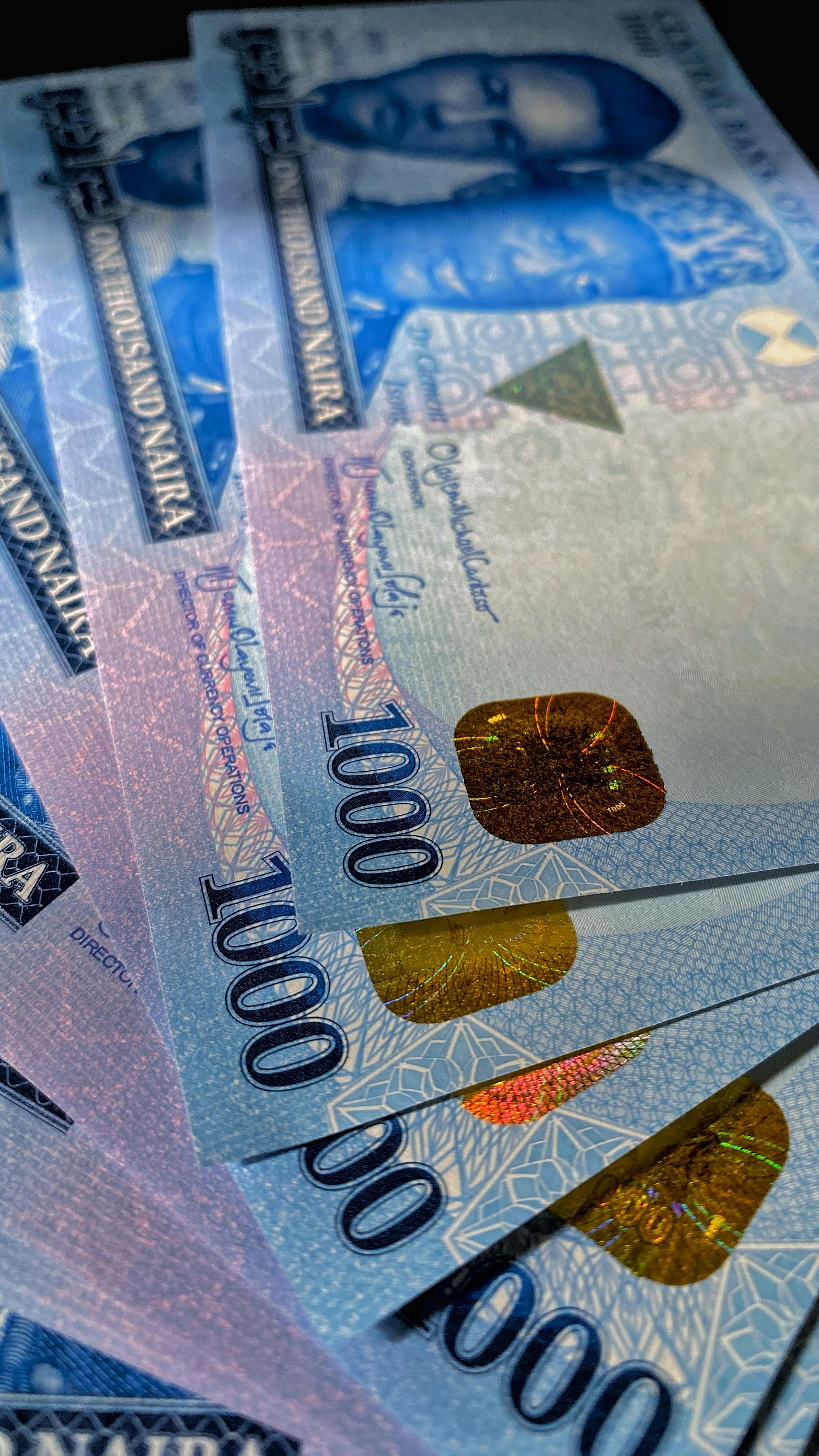
On Wednesday, the Nigerian Naira extended its depreciation against the United States dollar at the official foreign exchange market. Data from the Central Bank of Nigeria (CBN) indicated that the Naira fell to N1,379.07 per dollar, a notable drop from the N1,375.75 recorded on Tuesday. This means that within a single day, the Nigerian currency lost N3.32 against the dollar. Interestingly, during the same period, the parallel market, commonly known as the black market, saw the Naira remain stable at N1,415 per dollar, maintaining the rate from the previous day. These mixed reactions in the exchange markets occurred as Nigeria’s external reserves surged further to $51.64 billion.
WHO ARE THE KEY PLAYERS
The primary institution in this scenario is the **Central Bank of Nigeria (CBN)**, led by Governor Olayemi Cardoso. The CBN is the apex monetary authority of Nigeria, responsible for formulating and implementing monetary policy, ensuring the stability of the financial system, and managing the country's foreign exchange reserves. Its decisions directly influence the value of the **Nigerian Naira**, the official currency of Nigeria, which is the asset at the center of this report. Other key players include commercial banks, licensed Bureau De Change operators, and individual and corporate entities involved in foreign trade and remittances, all of whom operate within the **official foreign exchange market**. The **black market**, while unofficial, also plays a significant role due to its accessibility and often different rates.
UNDERSTANDING THE LOCATION
This economic development is centered within **Nigeria**, a West African nation with a population exceeding 200 million people. The foreign exchange market operations are primarily concentrated in major commercial hubs like Lagos and Abuja, but their effects reverberate across all geopolitical zones – North-West, North-East, North-Central, South-West, South-East, and South-South. The depreciation of the Naira impacts the cost of imported goods, from essential food items to industrial machinery, affecting market prices in cities like Kano, Port Harcourt, Enugu, and Ibadan, and indirectly influencing the cost of living for families in rural communities nationwide.
BACKGROUND AND CONTEXT
Nigeria has historically grappled with foreign exchange volatility, driven by its heavy reliance on crude oil exports for foreign currency earnings. Fluctuations in global oil prices often directly impact the nation's external reserves and, consequently, the Naira's stability. In recent years, the CBN has implemented various policies, including the unification of exchange rate windows and efforts to boost non-oil exports, aimed at achieving a stable and market-driven exchange rate. The current administration under President Bola Ahmed Tinubu has emphasized reforms to attract foreign investment and stabilize the currency. The recent surge in external reserves, while positive, presents a puzzle when viewed alongside the official market depreciation, suggesting that underlying demand pressures or policy adjustments might still be at play.
EXPLAINING IMPORTANT REFERENCES
**Depreciation** refers to the decrease in the value of a currency relative to another currency. In this case, it means it now takes more Naira to buy one US dollar. The **official foreign exchange market** is the formal channel regulated by the Central Bank of Nigeria, where commercial banks and licensed operators conduct transactions at rates determined by market forces and CBN interventions. The **black market**, also known as the parallel market, is an unofficial and unregulated platform for currency exchange, often used when official channels are restrictive or rates are unfavorable. **External reserves** are foreign currency assets held by the central bank, primarily in US dollars, used to back the domestic currency, facilitate international trade, and absorb economic shocks. A surge in these reserves, to $51.64 billion, typically indicates a stronger capacity for the CBN to intervene in the market, making the recent official rate depreciation a topic of keen analysis.
IMPACT ANALYSIS
The continued depreciation of the Naira in the official market, even if marginal on a daily basis, has significant implications. For importers, it means higher costs for raw materials and finished goods, which are inevitably passed on to consumers, leading to increased prices for everyday items like foodstuffs, electronics, and even transportation, making life more expensive for the average Nigerian family. For instance, the N3.32 daily drop, while small, translates to thousands or millions of Naira on large import volumes. Businesses relying on imported components face reduced profit margins or are forced to raise prices, potentially slowing economic activity and job creation. Conversely, exporters might find their products more competitive in international markets, as they receive more Naira for their foreign earnings. The surge in external reserves is a positive sign for Nigeria's economic resilience, suggesting the CBN has more firepower to defend the Naira or manage liquidity, yet its inability to prevent official market depreciation points to persistent demand-supply imbalances or strategic non-intervention by the apex bank.
WHAT HAPPENS NEXT
The Central Bank of Nigeria will likely continue its efforts to manage liquidity and stabilize the foreign exchange market. This could involve further interventions, adjustments to interest rates (the Monetary Policy Rate or MPR), or new policy directives aimed at boosting foreign currency inflows from non-oil sectors. Businesses and consumers should brace for continued volatility, with implications for budgeting and investment decisions. The government's fiscal policies, particularly those aimed at attracting foreign direct investment and improving the ease of doing business, will be crucial in reinforcing the CBN's monetary efforts. The divergence between the official and black market rates will also remain a key indicator of market confidence and the effectiveness of CBN policies.
HERO PERSPECTIVE
Leverage On Heroes Media takes the editorial stance that the recent depreciation of the Naira in the official market, despite surging external reserves, underscores the urgent need for a comprehensive and sustainable long-term strategy to stabilize Nigeria's currency. While increased reserves offer a buffer, they must be strategically deployed alongside robust fiscal policies that diversify the economy, boost local production, and attract genuine foreign investment to truly empower the Naira and, by extension, the economic well-being of every Nigerian citizen. The focus must shift from short-term interventions to foundational economic reforms that foster resilience and predictability in the foreign exchange market, ensuring that the benefits of national wealth translate into tangible improvements in living standards.
CLOSING
The intricate dance between market forces, policy decisions, and global economic trends continues to shape the fate of the Nigerian Naira. As the official exchange rate softens and external reserves grow, all eyes remain on the Central Bank of Nigeria and the government to navigate these complexities and chart a path towards greater economic stability for the nation.