
HEADLINE
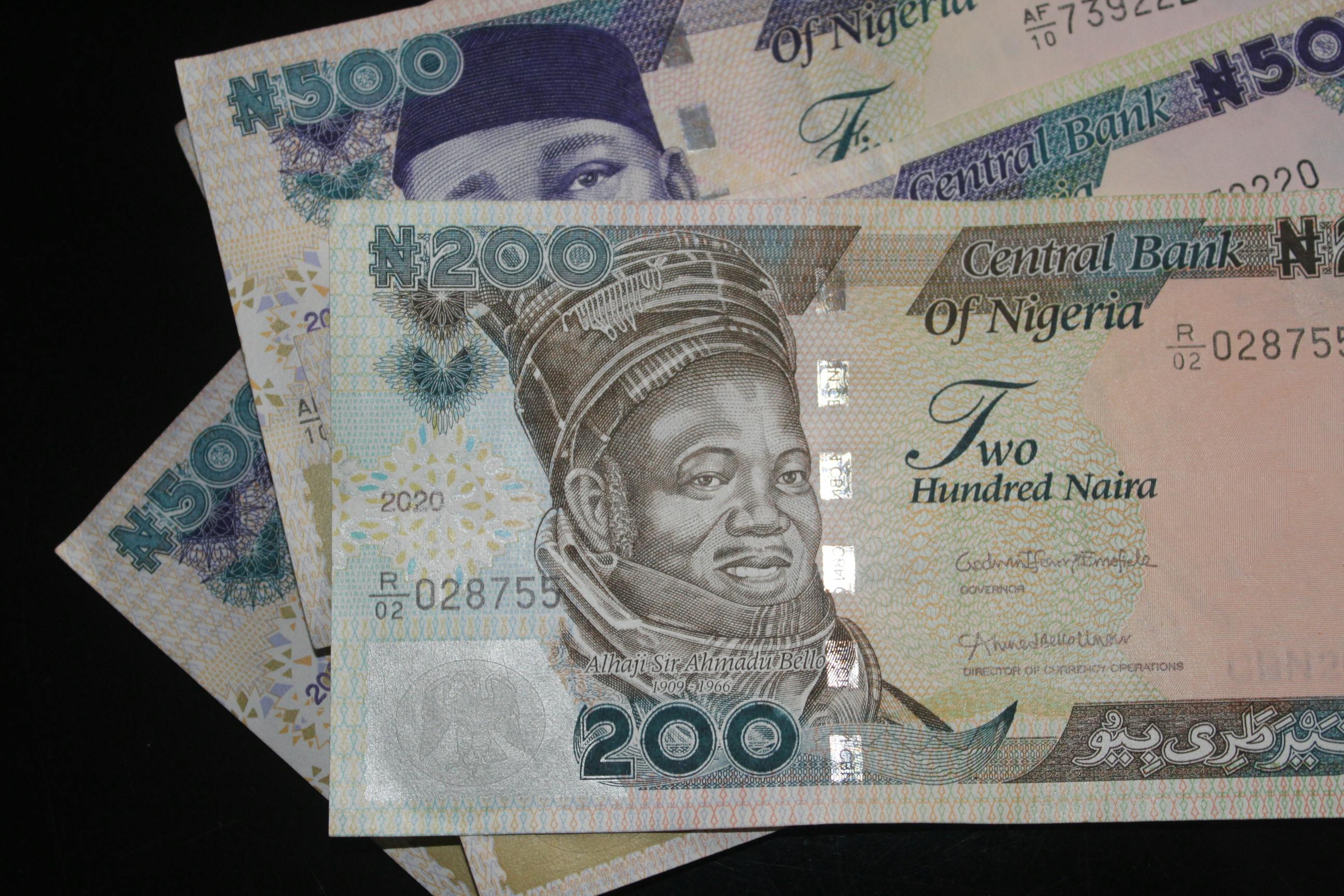
Naira Under Pressure: Seasonal Demand for Summer Travel and School Fees Pushes Exchange Rate to ₦1,425/$
OPENING HOOK
The Nigerian foreign exchange market is once again at the forefront of national discourse, as the local currency, the Naira, faces renewed pressure. A confluence of seasonal factors, primarily increased demand for the US Dollar, has seen the Naira's value slide significantly, impacting households and businesses across the nation.
WHAT HAPPENED
The Nigerian Naira has depreciated to approximately ₦1,425 against the US Dollar in the parallel market. This recent slide is largely attributed to a seasonal increase in demand for foreign exchange. Nigerians are currently seeking dollars for various purposes, including funding summer vacations abroad, paying tuition fees for children studying overseas, and facilitating international business trips.
WHO ARE THE KEY PLAYERS
The primary institution involved in managing Nigeria's monetary policy and foreign exchange market is the **Central Bank of Nigeria (CBN)**, currently led by Governor Olayemi Cardoso. The CBN plays a crucial role in regulating the official exchange rate and implementing policies aimed at stabilizing the Naira. Other key players include **Nigerian citizens** and **businesses** who are the primary demand-side actors in the foreign exchange market, driving the need for dollars for personal and commercial activities. **Bureau de Change (BDC) operators** and other participants in the **parallel market** also significantly influence the effective exchange rate experienced by many Nigerians.
UNDERSTANDING THE LOCATION
This economic development directly impacts **Nigeria**, a West African nation with a large, import-dependent economy. The effects are felt nationwide, from major commercial hubs like Lagos and Abuja, where international transactions are prevalent, to smaller towns where the ripple effects of increased import costs translate to higher prices for everyday goods. The foreign exchange market, while centrally managed by the CBN, has a pervasive presence across all geopolitical zones, affecting the cost of living and doing business for millions.
BACKGROUND AND CONTEXT
The Nigerian economy has historically grappled with foreign exchange volatility. The Naira's value is often influenced by global oil prices, as crude oil sales constitute a significant portion of Nigeria's foreign exchange earnings. Over the years, policies aimed at stabilizing the Naira, such as currency devaluations, restrictions on certain imports, and efforts to unify exchange rate windows, have been implemented with varying degrees of success. The current depreciation is not an isolated event but rather a recurring pattern linked to periods of high international travel and educational expenses, typically observed during the summer months and towards academic year starts. This seasonal demand compounds existing pressures from a high import bill and speculative activities.
EXPLAINING IMPORTANT REFERENCES
- **Naira (₦)**: This is the official currency of Nigeria, issued and regulated by the Central Bank of Nigeria.
- **US Dollar ($)**: The currency of the United States, widely regarded as the world's primary reserve currency, often sought after for international transactions, trade, and savings due to its stability and universal acceptance.
- **Seasonal Demand**: This refers to predictable increases in the need for a particular good or service at specific times of the year. In this context, it signifies the surge in demand for foreign currency during the summer holidays for international travel and towards the start of academic sessions for overseas tuition fees.
- **Summer Travel**: This period, typically from June to August, sees many Nigerians travelling abroad for holidays, family visits, or medical tourism, requiring foreign currency for flights, accommodation, and expenses.
- **School Fees**: A significant portion of Nigeria's foreign exchange demand comes from parents and guardians paying tuition and upkeep for their children studying in foreign universities and schools, especially in the UK, USA, Canada, and other European countries.
- **Parallel Market**: Also known as the 'black market', this is an unofficial foreign exchange market where currencies are traded outside the official banking channels. Rates here are often higher than official rates due to supply and demand dynamics, and it's where many ordinary Nigerians access foreign currency when official channels are scarce.
IMPACT ANALYSIS
The depreciation of the Naira has far-reaching implications for the average Nigerian and the broader economy. For households, the cost of imported goods, from food items to electronics, will inevitably rise, leading to increased inflation and a reduction in purchasing power. Parents with children studying abroad will face higher financial burdens, with the Naira equivalent of school fees becoming more expensive. Businesses dependent on imported raw materials or finished goods will see their operational costs escalate, potentially leading to higher consumer prices or reduced profit margins. This can stifle economic growth, discourage foreign investment, and exacerbate the cost of living crisis, making basic necessities like transport and market prices for essentials more expensive.
WHAT HAPPENS NEXT
The Central Bank of Nigeria is expected to continue monitoring the foreign exchange market closely. Potential interventions could include increasing dollar supply through various windows, fine-tuning existing foreign exchange policies, or implementing new measures to curb speculative demand. The government may also explore ways to boost local production and reduce import dependency, thereby easing pressure on the Naira in the long run. However, given the seasonal nature of the current demand surge, a sustained recovery may depend on how effectively the CBN can manage liquidity and stakeholder confidence in the coming weeks and months. Nigerians should anticipate continued volatility in the short term, with market forces heavily influencing the Naira's trajectory.
HERO PERSPECTIVE
Leverage On Heroes Media believes that economic stability is a cornerstone of national progress and citizen welfare. The current depreciation of the Naira, driven by seasonal demand, underscores the urgent need for robust, transparent, and sustainable foreign exchange policies. While short-term interventions are necessary, our editorial stance emphasizes the critical importance of long-term strategies that diversify Nigeria's economy, boost local production, and reduce over-reliance on imports. Ensuring a stable and predictable foreign exchange market is not just an economic imperative but a social responsibility, directly impacting the livelihoods and aspirations of every Nigerian.
CLOSING
As the Naira continues its dance with the dollar, the economic realities for Nigerians remain challenging. The focus now shifts to the effectiveness of policy responses and the resilience of the economy to navigate these turbulent waters, ensuring that the burden of currency fluctuations does not disproportionately fall on the shoulders of the ordinary citizen.