HEADLINE
Qatar Accuses Iran of Drone Strike on LNG Tanker Amidst Khamenei Mourning
OPENING HOOK
The volatile waters of the Middle East have once again become a flashpoint, as a critical energy shipment was targeted, igniting fresh tensions between Qatar and Iran at a time of profound national mourning in the Islamic Republic.
WHAT HAPPENED
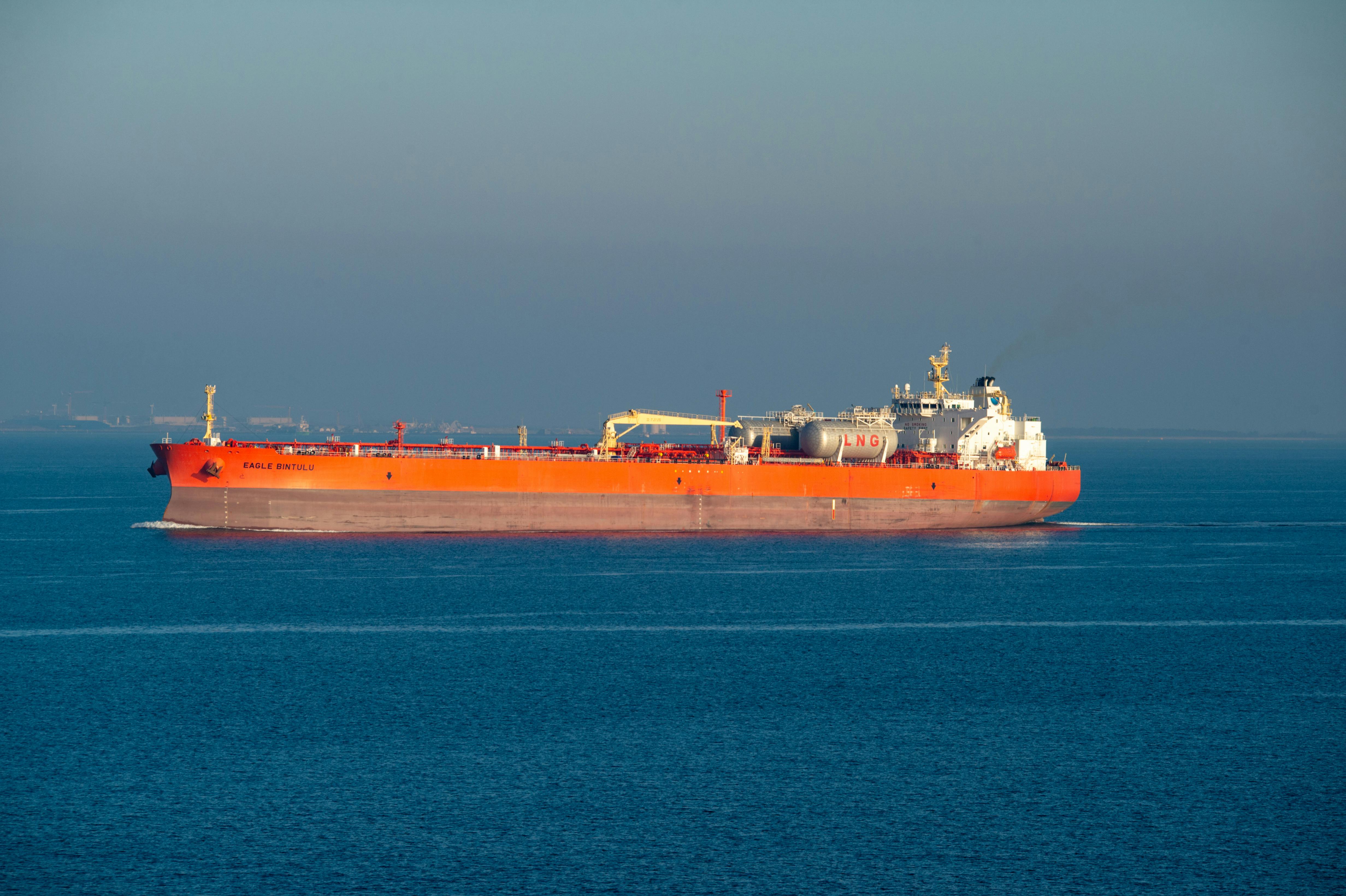
Qatar has formally accused Iran of orchestrating a drone strike on one of its liquefied natural gas (LNG) tankers, the Al Rekayyat, while transiting the Strait of Hormuz. The incident, which occurred overnight, resulted in a fire in the vessel's engine room. Qatari authorities have confirmed that all crew members are safe and were being evacuated, but maritime security officials have raised concerns about a potential major explosion if the blaze is not quickly brought under control. This maritime incident unfolded simultaneously with hundreds of thousands of Iranians gathering in the holy city of Qom to pay their last respects to the recently deceased Supreme Leader, Ayatollah Ali Khamenei.
WHO ARE THE KEY PLAYERS
**Qatar:** A small, wealthy Arab nation located on the Qatar Peninsula, bordering Saudi Arabia and with a maritime border with Iran. Qatar is a major global exporter of liquefied natural gas (LNG), making its shipping routes vital to its economy and global energy supply. It has historically maintained complex relations with its neighbours, balancing alliances and rivalries.
**Iran:** Officially the Islamic Republic of Iran, a large Middle Eastern country with significant geopolitical influence. It has a long coastline along the Persian Gulf and the Gulf of Oman, making it a critical player in regional maritime security. Iran's political structure is unique, with a Supreme Leader holding ultimate authority. The recent passing of Ayatollah Ali Khamenei marks a significant moment of transition for the nation.
**Ayatollah Ali Khamenei:** The second Supreme Leader of Iran, succeeding Ayatollah Ruhollah Khomeini in 1989. As Supreme Leader, he held the highest political and religious authority in Iran, overseeing state policy, the military, and the judiciary. His death marks the end of an era and triggers a complex succession process.
UNDERSTANDING THE LOCATION
**Strait of Hormuz:** This is a narrow, strategically vital waterway connecting the Persian Gulf to the Gulf of Oman and the Arabian Sea. It is one of the world's most critical chokepoints for global oil and gas shipments, with an estimated one-fifth of the world's total petroleum liquids consumption passing through it daily. Any disruption here has immediate and far-reaching implications for international energy markets, affecting pump prices and business costs worldwide.
**Qom:** A city in central Iran, considered one of the holiest cities in Shia Islam and a major center for Shia theological education. It is home to the Fatima Masumeh Shrine and numerous seminaries, attracting pilgrims and scholars from across the Shia world. Its significance as a mourning site for a Supreme Leader underscores its religious and political importance.
BACKGROUND AND CONTEXT
The Middle East has a long history of geopolitical tensions, often exacerbated by maritime incidents in critical waterways like the Strait of Hormuz. Iran has previously been accused of targeting commercial vessels in the region, particularly during periods of heightened international pressure or sanctions. These actions are often seen as a way for Iran to project power and signal its displeasure with regional or international policies. The timing of this alleged attack, coinciding with the national mourning for Ayatollah Ali Khamenei, could be interpreted in various ways – from a calculated show of force during a leadership transition to an attempt to deflect internal attention amidst a period of national introspection.
EXPLAINING IMPORTANT REFERENCES
**Liquefied Natural Gas (LNG) Tanker:** This is a specially designed vessel built to transport natural gas that has been cooled to approximately -162 degrees Celsius, turning it into a liquid. This process significantly reduces its volume, making it economical to ship across long distances. LNG tankers are crucial for global energy supply chains, delivering gas to power plants and industries worldwide. A drone strike on such a vessel is a serious incident, as the cargo is highly flammable if exposed to air and can lead to a catastrophic explosion.
**Drone Strike:** This refers to an attack carried out by an unmanned aerial vehicle (UAV), commonly known as a drone. Drones can be remotely piloted and equipped with various payloads, including explosives. They offer a relatively low-cost and deniable means of projecting force or conducting surveillance, making them a tool increasingly used in modern conflicts and asymmetric warfare.
IMPACT ANALYSIS
The alleged drone strike on the Qatari LNG tanker carries several significant implications. Firstly, it heightens regional tensions, particularly between Qatar and Iran, potentially leading to a diplomatic standoff or further retaliatory actions. For Nigeria, a country heavily reliant on oil and gas revenues, any instability in global energy markets, particularly in such a critical chokepoint, could influence international crude oil prices, impacting the federal budget and the value of the naira. Secondly, it underscores the vulnerability of international shipping lanes to asymmetric attacks, raising concerns for maritime security and potentially increasing insurance premiums for vessels traversing the Strait of Hormuz, which translates to higher costs for goods and services globally. Lastly, the incident during Iran's mourning period adds another layer of complexity to the region's already delicate power dynamics, as the new leadership will be tested early in its tenure.
WHAT HAPPENS NEXT
International maritime authorities will likely launch an investigation into the incident, seeking to verify Qatar's claims and ascertain the exact nature of the attack. Iran is expected to either deny involvement or offer a counter-narrative. The international community, particularly major energy consumers, will closely monitor the situation for any escalation that could disrupt energy supplies. Internally, Iran's new Supreme Leader will face the immediate challenge of navigating this external crisis while consolidating power and addressing the nation's internal political and economic pressures. Regional powers will also be watching to see if the incident signals a shift in Iran's foreign policy under its new leadership.
HERO PERSPECTIVE
Leverage On Heroes Media views this incident as a critical test of regional stability and international maritime security. We are committed to providing unbiased, in-depth analysis of how geopolitical flashpoints, particularly those affecting global energy routes, directly impact the economic stability and daily lives of Nigerians and the wider African continent. Our focus remains on the implications for trade, security, and the imperative for diplomatic resolution.
CLOSING
As the smoke clears from the Al Rekayyat and the mourning period continues in Qom, the world watches with bated breath to see if this latest incident will further destabilize an already fragile region, or if diplomacy can prevail amidst the rising tide of accusations and geopolitical rivalries.