
HEADLINE
Trump Holds Iran Accountable for Red Sea Tanker Attacks as Houthi Strike Escalates Global Oil Concerns
OPENING HOOK
When troubles bubble up on international waterways thousands of miles away, the ripples are felt directly in the cost of fueling a generator or filling a commercial transport bus right here in Nigeria.
WHAT HAPPENED
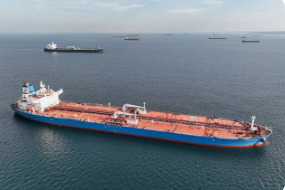
United States President Donald Trump announced that the US will hold Iran directly responsible for recent Houthi missile and drone attacks targeting two Saudi Arabian oil tankers in the Red Sea. The military action, claimed by the Houthi movement in Yemen, was justified by the group as enforcement of a maritime blockade. This development instantly rattles international shipping lanes and sends jitters through the global petroleum market.
WHO ARE THE KEY PLAYERS
Donald Trump is the President of the United States, heading the federal government and directing its foreign and defense policies. The Houthis are an armed political and religious movement based in Yemen that controls large parts of that country and frequently engages in regional conflicts. Saudi Arabia is a leading global crude oil exporter and a key US ally in the Middle East. Iran is a major Middle Eastern nation and OPEC member that the US and its allies accuse of backing regional proxy groups.
UNDERSTANDING THE LOCATION
The Red Sea is a crucial saltwater inlet of the Indian Ocean lying between Africa and Asia, serving as a vital maritime trade route linking Europe and Asia via the Suez Canal. Millions of barrels of crude oil pass through these narrow waters daily, making security here essential for maintaining stable global petroleum prices.
BACKGROUND AND CONTEXT
Geopolitical tensions in the Middle East have historically dictated global crude oil prices, which directly impact the pump price of Petrol (Premium Motor Spirit) and the general cost of doing business in import-dependent economies like Nigeria. When shipping lanes face security threats, insurance costs for cargo vessels skyrocket, driving up the landing cost of refined products globally.
EXPLAINING IMPORTANT REFERENCES
A maritime blockade is a military effort to cut off supplies, commerce, or communication from a specific area by force. OPEC refers to the Organization of the Petroleum Exporting Countries, a permanent intergovernmental organization of oil-exporting nations that coordinates petroleum policies.
IMPACT ANALYSIS
For ordinary Nigerians, global oil supply disruptions translate into imported inflation. If international crude prices surge due to Middle Eastern conflicts, the landing cost of fuel rises, putting pressure on the federal budget, increasing transport fares, and driving up the price of goods in local markets.
WHAT HAPPENS NEXT
Diplomatic channels will likely see intensified pressure on Tehran, while military forces in the region evaluate defensive postures to protect commercial shipping lanes. Energy market analysts will monitor daily crude pricing to see if the Red Sea escalation triggers sustained supply fears.
HERO PERSPECTIVE
At Leverage On Heroes Media, our editorial angle focuses on the resilience of ordinary citizens navigating imported inflation. We strip away complex international jargon to show how distant geopolitical skirmishes translate into everyday economic realities for Nigerian households and small business owners.
CLOSING
As international diplomacy and military posturing unfold in the Red Sea, local stakeholders must remain vigilant about the domestic economic fallout of global energy market volatility.