
HEADLINE
U.S. Signs Nuclear Power Agreement with Saudi Arabia Amid Global Energy Shifts
OPENING HOOK
When two global heavyweights shake hands on atomic energy, the ripple effects are felt from Washington boardrooms down to local fuel pumps across the developing world.
WHAT HAPPENED
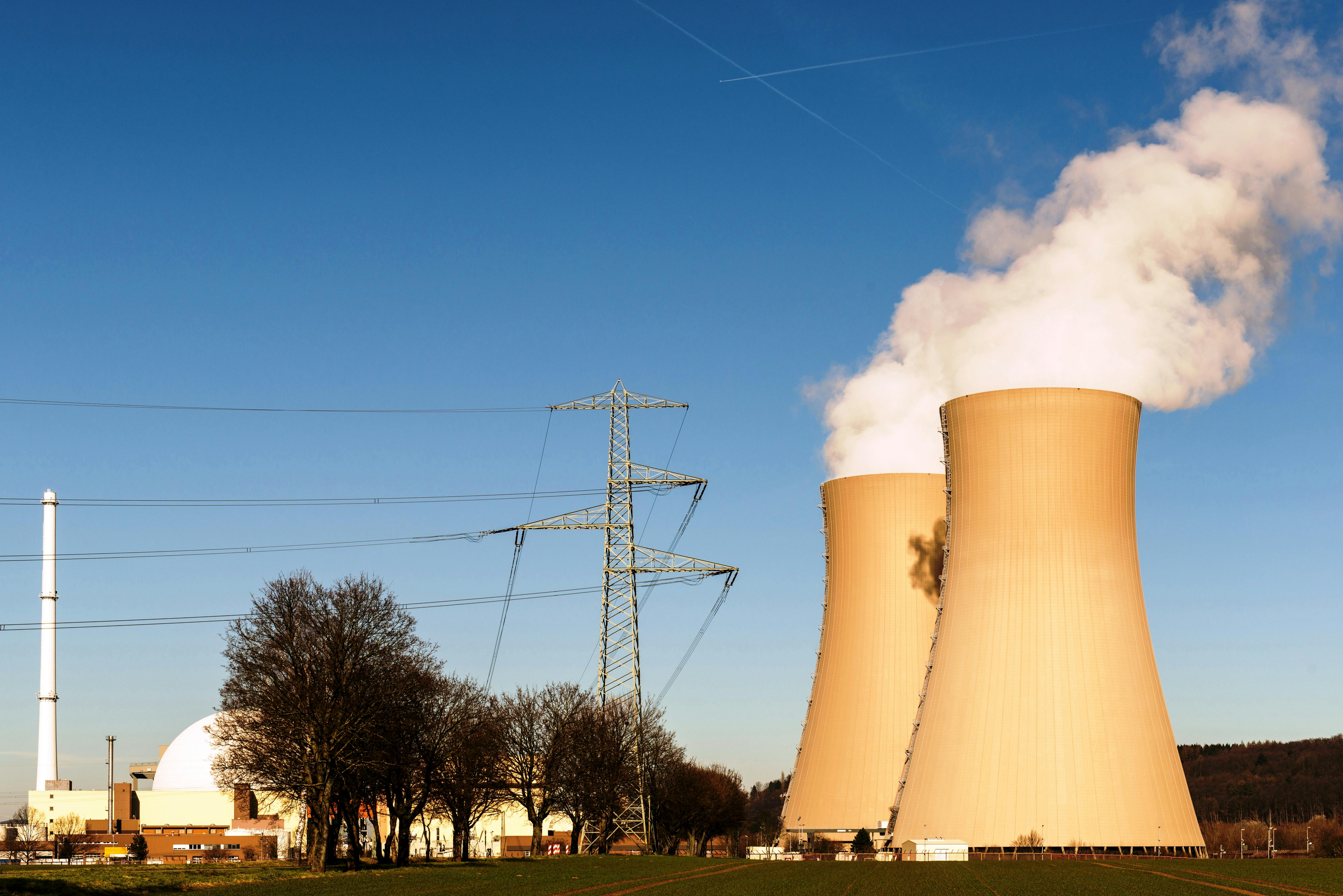
The United States has formally signed a bilateral civilian nuclear power agreement with Saudi Arabia. This diplomatic and technological pact establishes a framework for peaceful nuclear energy cooperation between the two nations, though it still requires rigorous legislative review before full implementation.
WHO ARE THE KEY PLAYERS
The key players in this diplomatic engagement include the administration of U.S. President Donald J. Trump, alongside Saudi Arabian state authorities. The agreement also heavily involves the U.S. Congress, which holds the constitutional authority to review and approve sensitive international technology transfers.
UNDERSTANDING THE LOCATION
The agreement bridges Washington, D.C., the political and legislative capital of the United States, and Riyadh, the capital of Saudi Arabia. Washington serves as the center of global policymaking and legislative scrutiny, while Riyadh directs one of the world's most influential oil-producing economies as it diversifies its domestic power sources.
BACKGROUND AND CONTEXT
For decades, Saudi Arabia has relied almost exclusively on fossil fuels to power its domestic economy and drive water desalination plants. However, as global energy demands shift toward cleaner and more diversified alternatives, Riyadh has sought to incorporate civilian nuclear technology into its long-term national development strategy.
EXPLAINING IMPORTANT REFERENCES
The legal foundation governing this agreement is the Atomic Energy Act. In simple terms, this American law acts like a strict security clearance process. It ensures that when the U.S. shares sensitive nuclear technology with any foreign country, the recipient nation must agree not to misuse the knowledge or materials for non-peaceful purposes.
IMPACT ANALYSIS
While this pact focuses on peaceful energy generation, global energy markets watch closely. For developing economies, including Nigeria, shifts in Middle Eastern energy portfolios can influence global petroleum pricing benchmarks, directly affecting local transportation costs, imported goods, and general market inflation.
WHAT HAPPENS NEXT
The agreement will now move to the U.S. legislature for mandatory review. Lawmakers will examine the text to ensure non-proliferation standards are strictly met before any physical transfer of nuclear technology or equipment can begin.
HERO PERSPECTIVE
At Leverage On Heroes Media, our editorial angle views this development through the lens of global energy equity. We examine how major international tech transfers ultimately shape macroeconomic realities for everyday citizens everywhere.
CLOSING
As Washington and Riyadh navigate the legislative review stages, the global community remains attentive to how this partnership will redefine international energy standards in the years ahead.