
HEADLINE
US Refineries Drive Up Production as Global Conflicts Strain Fuel Supplies
OPENING HOOK
When heavy machinery abroad runs non-stop to bridge a supply gap, the heat is ultimately felt right down at the local pump.
WHAT HAPPENED
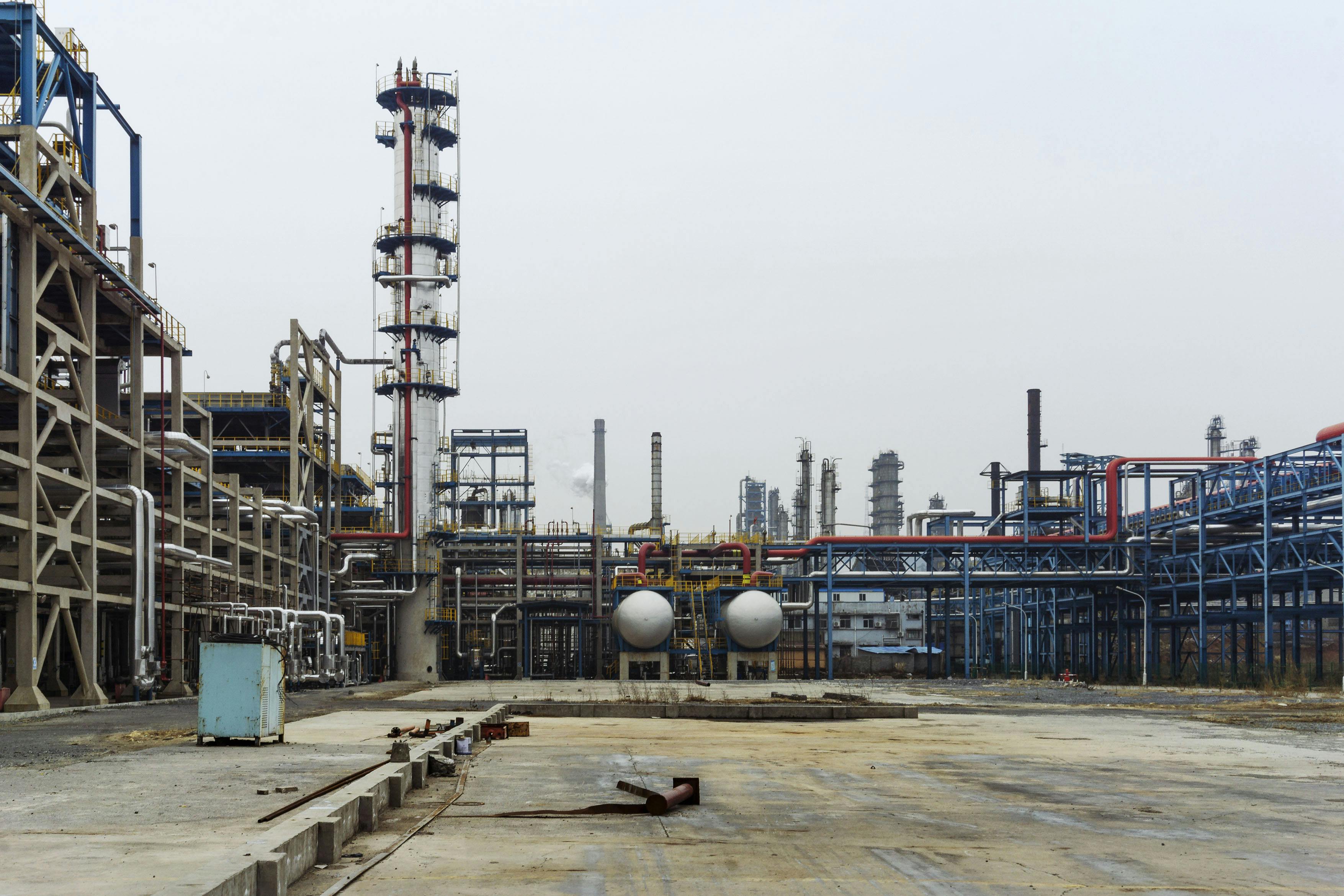
United States oil refineries are currently running at exceptionally high utilization rates to keep up with surging global demand and compensate for fuel shortages caused by ongoing international conflicts. This frantic pace of production has pushed processing units close to their physical limits. While this surge is designed to stabilise supplies, energy market analysts warn that maintaining such high speeds without routine maintenance drastically increases the risk of unexpected mechanical failures, refinery shutdowns, and subsequent price hikes for refined petroleum products.
WHO ARE THE KEY PLAYERS
Energy firms operating within the United States refining sector are at the center of this industrial push. These corporate entities manage massive processing plants that convert crude oil into usable fuels like petrol, diesel, and aviation fuel. Additionally, international energy bodies, shipping conglomerates, and the federal regulators overseeing domestic energy stability play critical roles in monitoring how these intense operations affect market pricing and supply chain reliability both in North America and across global export destinations.
UNDERSTANDING THE LOCATION
Refineries across the United States—particularly along the Gulf Coast, which serves as the heart of American petroleum processing—are working overtime. These industrial clusters receive domestic crude oil and imported barrels, refining them into products shipped worldwide. For everyday Nigerians and global observers, shifts in American refinery output ripple directly into international petroleum pricing benchmarks, directly influencing the landing costs of imported petroleum products.
BACKGROUND AND CONTEXT
Global fuel markets have faced severe pressure due to prolonged geopolitical conflicts, particularly in regions vital to oil and gas transit. Historically, when major international supply routes are disrupted or production facilities abroad are damaged, global buyers turn to alternative refiners to secure their energy needs. Refineries typically balance high production targets with scheduled maintenance windows to prevent breakdowns. However, intense geopolitical demand forces operators to defer vital maintenance, storing up trouble for future grid stability.
EXPLAINING IMPORTANT REFERENCES
In the energy sector, refinery utilisation rate refers to the percentage of total processing capacity that a plant is actively using. Running a refinery at 'breakneck speed' means operating above normal comfort levels, much like driving a car at top speed for hours without cooling down the engine. In everyday Nigerian economic terms, this is comparable to a local transport business squeezing extra trips out of a vehicle without servicing the engine; while short-term revenue might jump, the risk of a sudden, costly breakdown multiplies.
IMPACT ANALYSIS
For consumers, the immediate consequence of this high-pressure refining environment is price volatility. When US refineries run the risk of sudden outages due to overwork, global futures markets react instantly, pushing up the price of crude and refined products. For import-dependent economies, higher international fuel prices translate directly to elevated transport fares, higher costs for moving market goods, and general inflation that squeezes household budgets.
WHAT HAPPENS NEXT
Over the coming months, market watchers will closely monitor refinery output reports and inventory levels. If an overextended refinery experiences a major mechanical failure during peak demand periods, fuel supplies could tighten abruptly, sending shockwaves through international markets. Conversely, if international tensions ease, refineries may finally get the breathing room required to conduct routine maintenance, stabilizing global prices.
HERO PERSPECTIVE
At Leverage On Heroes Media, our editorial stance views international energy dynamics not merely as distant trade statistics, but as vital pressure points that directly affect the daily economic survival of ordinary citizens. We believe transparency in how global superpowers manage their industrial capacity helps local entrepreneurs and policymakers anticipate economic shocks before they hit the domestic market.
CLOSING
As international conflicts continue to strain global energy supply chains, the resilience of major refining hubs remains a critical factor in determining whether fuel prices will stabilize or soar in the months ahead.