
HEADLINE
Australia Identifies Space Debris Origin, Grants Indigenous Native Title in Landmark Rulings
OPENING HOOK
This week, Australia finds itself at the intersection of scientific discovery and social justice, as authorities confirm the origin of mysterious space objects found in Queensland and, in a separate but equally significant development, grant native title rights to a pivotal Indigenous site. These events underscore the nation's engagement with both the global frontier of space exploration and the deeply rooted complexities of its historical land claims.
WHAT HAPPENED
In a crucial development, the Australian Space Agency has identified objects discovered in Queensland as pressure vessels originating from a space launch vehicle. This confirmation provides clarity on the mysterious debris that had captured public attention. Concurrently, a landmark decision has seen native title approved for the birthplace of the late, internationally acclaimed Indigenous artist, Emily Kame Kngwarreye, a move that resonates deeply within Australia's Indigenous communities and the broader reconciliation movement.
WHO ARE THE KEY PLAYERS
The **Australian Space Agency** is the primary government body responsible for coordinating Australia's civil space activities, policies, and regulations. They played a central role in identifying the space debris. The **Kngwarreye people** are the traditional owners whose land rights were recognised. This group represents a specific Indigenous community with deep ancestral ties to the land. **Emily Kame Kngwarreye** (c. 1910 – 1996) was a highly influential Anmatyerr artist from the Utopia community in Central Australia, celebrated globally for her contemporary Indigenous art. Her birthplace holds immense cultural significance for her people.
UNDERSTANDING THE LOCATION
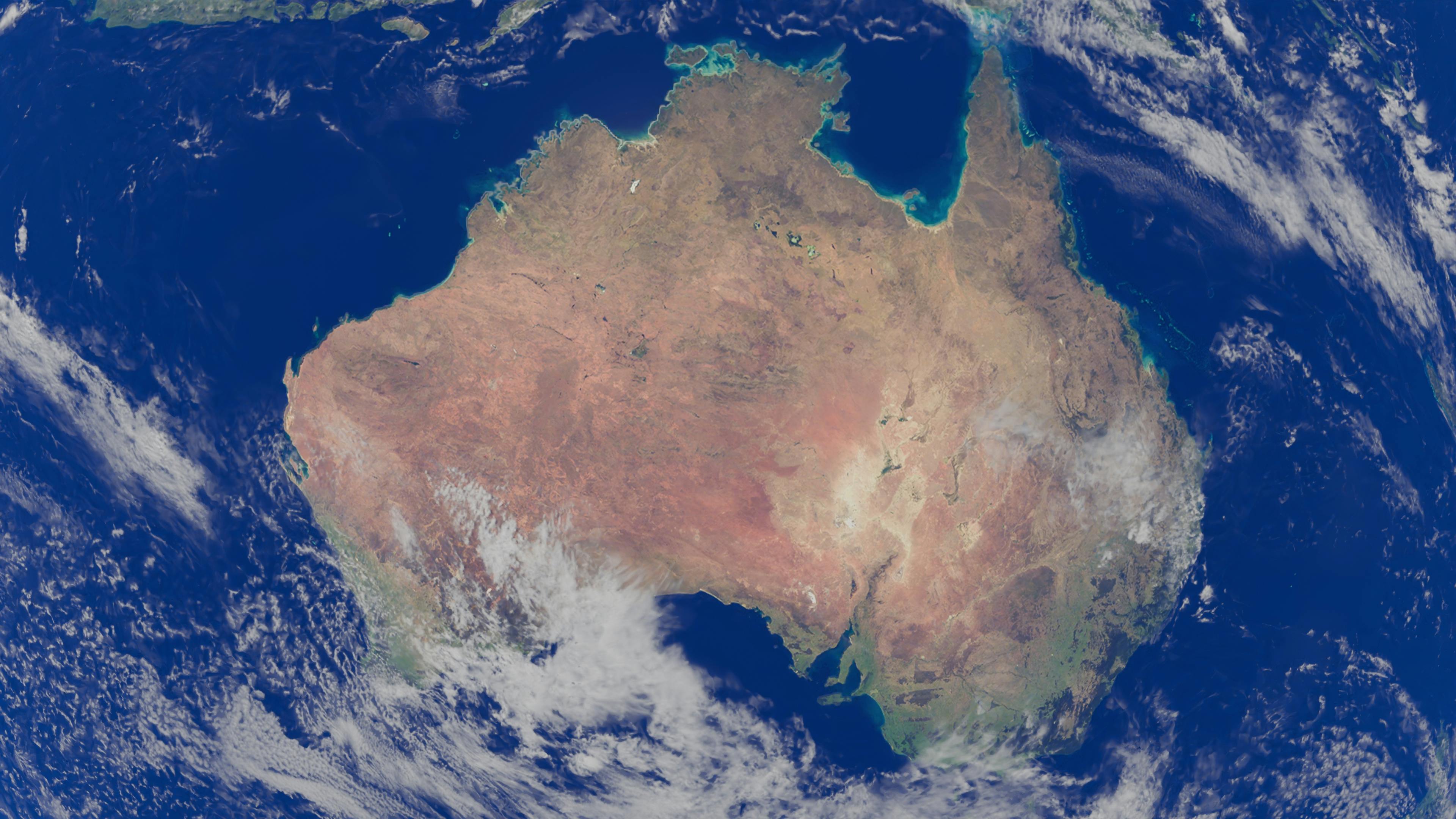
**Queensland**, located in Australia's northeast, is the nation's second-largest state by area, known for its diverse landscapes ranging from tropical rainforests to arid outback. The discovery of the space debris here highlights the vast, sparsely populated areas that can become impact zones for orbital objects. The native title approval pertains to lands within the **Utopia Homelands** in Central Australia, an area predominantly inhabited by Indigenous communities. This region is culturally rich, with many sacred sites and a long history of traditional land management.
BACKGROUND AND CONTEXT
The increasing volume of space debris, including discarded rocket stages and defunct satellites, poses a growing risk to operational spacecraft and, occasionally, to Earth's surface. Identifying such objects is crucial for international space safety protocols. The approval of native title for the Kngwarreye birthplace builds upon decades of struggle and legal battles following the landmark **Mabo v Queensland (No 2)** High Court decision in 1992, which overturned the doctrine of *terra nullius* (land belonging to no one) and recognised Indigenous land rights. This ongoing process of land rights recognition is fundamental to addressing historical injustices against Australia's First Peoples.
EXPLAINING IMPORTANT REFERENCES
**Pressure vessels** are specialised containers designed to hold gases or liquids at a pressure substantially different from the ambient pressure. In the context of space launches, these are critical components within rockets, often storing highly pressurised propellants or life-support gases. Their discovery confirms a high-energy event, likely a re-entry from orbit. **Native title** in Australia refers to the legal recognition that Aboriginal and Torres Strait Islander peoples have rights and interests in land and waters according to their traditional laws and customs. It is distinct from freehold title and acknowledges pre-existing Indigenous sovereignty over the land before European colonisation.
IMPACT ANALYSIS
The identification of the space debris underscores the urgent need for global cooperation in managing space junk and ensuring responsible space exploration practices. For Australia, it highlights its role in monitoring and responding to such incidents, potentially influencing future international agreements on space debris mitigation. The native title approval for the Kngwarreye birthplace is a profound affirmation of Indigenous cultural heritage and rights. It provides a legal basis for the Kngwarreye people to manage and protect their ancestral lands, fostering self-determination and contributing to the broader process of reconciliation between Indigenous and non-Indigenous Australians. This recognition can also inspire similar land claims and cultural preservation efforts across the continent.
WHAT HAPPENS NEXT
Further investigations will likely focus on pinpointing the exact launch vehicle and country of origin for the space debris, potentially leading to diplomatic discussions regarding accountability and future prevention measures. For the Kngwarreye people, the native title approval opens avenues for enhanced land management, cultural preservation projects, and economic development opportunities on their traditional lands. This legal recognition will serve as a foundation for their ongoing stewardship of the birthplace of one of their most celebrated artists, ensuring its heritage is protected for future generations. The broader movement for Indigenous rights across Australia will continue to monitor the practical implications of such rulings.
HERO PERSPECTIVE
Leverage On Heroes Media views these developments as critical examples of how nations navigate the complexities of scientific advancement and historical justice. The responsible identification of space debris demonstrates a commitment to global safety and environmental stewardship, while the recognition of native title exemplifies progress towards reconciliation and the affirmation of fundamental human rights. We champion transparency in scientific inquiry and unwavering support for the rights of indigenous communities, advocating for a future where both technological progress and social equity are pursued with equal vigour.
CLOSING
As Australia continues to look both skyward and inward, these events serve as powerful reminders of the interconnectedness of our global activities and the enduring importance of acknowledging and rectifying historical wrongs, shaping a more informed and equitable future.