
HEADLINE
Benue State Shifts Focus to Sustainable Growth, Prioritising Development Over Palliatives
OPENING HOOK
In a nation grappling with persistent economic challenges and the immediate need for citizen relief, Benue State is charting a potentially distinct path, with its Governor, Hyacinth Alia, reportedly prioritising foundational, long-term development over the more immediate, but often temporary, impact of palliatives.
WHAT HAPPENED
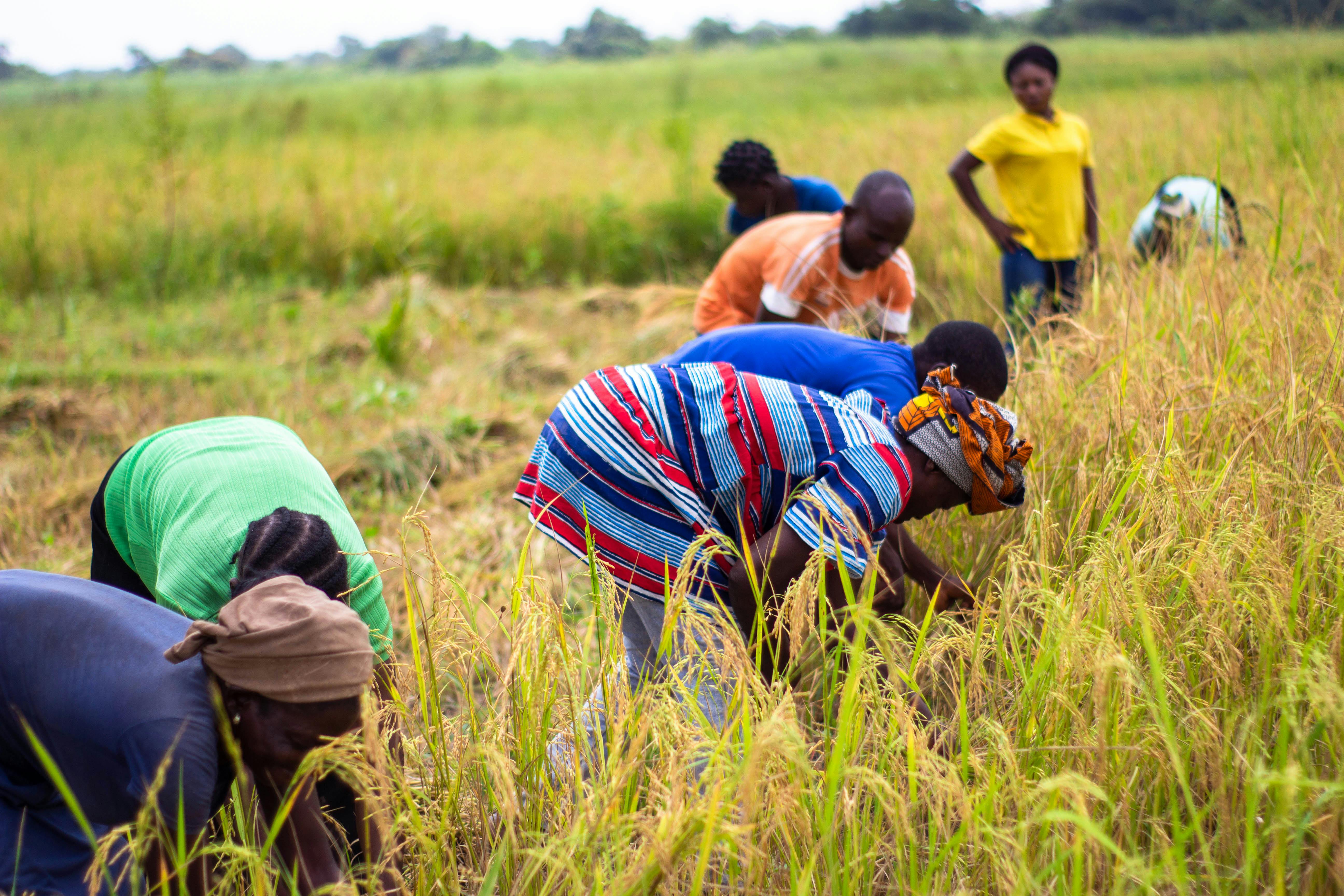
A prominent supporter of Benue State Governor Hyacinth Alia, Tagher Tagher Wan U Tiv, also known by his popular moniker Baba Atsar Gundu, has publicly defended the governor's developmental strategy. In a statement released to journalists in Abuja, Tagher asserted that the Alia administration is firmly focused on fostering sustainable livelihoods by making significant investments in agriculture, critical infrastructure, and skills development, rather than relying heavily on short-term relief measures.
WHO ARE THE KEY PLAYERS
**Governor Hyacinth Alia**: He is the incumbent Governor of Benue State. A former Catholic priest, Governor Alia assumed office with a mandate to address the socio-economic challenges facing the state, including issues of poverty, insecurity, and underdeveloped infrastructure. His administration's approach, as highlighted by his supporter, signals a strategic shift in governance philosophy.
**Tagher Tagher Wan U Tiv (Baba Atsar Gundu)**: Identified as a key supporter of Governor Alia, Tagher acts as a voice for the administration, articulating its policies and defending its strategic choices. His public statements often reflect the government's official stance or provide insight into its operational philosophy.
UNDERSTANDING THE LOCATION
**Benue State**: Located in Nigeria's North-Central geopolitical zone, Benue is famously known as the "Food Basket of the Nation" due to its rich agricultural lands and significant food production capacity, especially yam, cassava, and rice. The state capital is Makurdi. Despite its agricultural potential, Benue has faced challenges including communal conflicts, insecurity, and underdevelopment, making the discourse around economic strategy particularly pertinent.
**Abuja**: The federal capital city of Nigeria, located in the Federal Capital Territory (FCT). It serves as the political and administrative hub of the country, where many national policy discussions occur and statements from state officials or their representatives are often released to a wider national audience.
BACKGROUND AND CONTEXT
The debate between providing immediate palliatives and investing in long-term development is a recurring theme in Nigerian governance, especially following significant economic reforms such as the removal of the petrol subsidy. Palliatives, which are short-term relief packages like food items, cash transfers, or subsidized goods, are often deployed by governments to cushion the immediate impact of economic hardship on citizens. While offering temporary relief, critics argue they do not address the root causes of poverty or foster sustainable economic growth. In contrast, long-term development, focusing on agriculture, infrastructure, and skills, aims to create lasting economic opportunities, improve productivity, and build a more resilient economy. Benue State, with its vast agricultural potential, could significantly benefit from such a sustained focus, but the immediate needs of its populace remain a critical consideration.
EXPLAINING IMPORTANT REFERENCES
**Palliatives**: In the Nigerian context, palliatives refer to temporary relief measures provided by the government to ease economic hardship for its citizens. These often include distributing food items, cash grants, or providing subsidies on essential goods. For example, after the removal of the petrol (Premium Motor Spirit - PMS) subsidy, many states and the federal government distributed palliatives to help citizens cope with increased transport and living costs.
**Long-term Development**: This refers to a strategic approach to governance that prioritises investments in foundational sectors designed to generate sustainable economic growth and self-sufficiency over an extended period. This includes improving agricultural productivity through modern implements and training, building critical infrastructure like roads and power, and developing human capital through education and vocational skills training. The goal is to move communities from dependency to economic independence.
IMPACT ANALYSIS
Governor Alia's declared focus on long-term development carries significant potential implications for Benue State. If effectively implemented, an emphasis on agriculture could lead to increased food production, improved food security, and higher incomes for farmers, who form a large percentage of the state's workforce. Investments in infrastructure could enhance connectivity, reduce post-harvest losses, and attract further investment. Skills development can empower the youth and reduce unemployment. However, this approach also presents challenges. The immediate needs of citizens struggling with high costs of living may not be adequately met by long-term strategies alone, potentially leading to public discontent. Balancing the need for immediate relief with the pursuit of sustainable growth is a delicate act for any government, and the success of Alia's strategy will depend heavily on robust implementation and clear communication with the populace.
WHAT HAPPENS NEXT
The coming months will be critical for observing the practical rollout of Governor Alia's development agenda. Citizens and analysts will be watching for tangible projects in agriculture, infrastructure, and skills acquisition. The administration will need to demonstrate concrete progress and perhaps articulate how it plans to address urgent citizen needs while its long-term plans mature. The public's perception and political support will hinge on visible improvements in livelihoods and the overall economic landscape of the state. Other state governments, particularly those facing similar economic pressures, may also observe Benue's strategy as a potential model or a cautionary tale.
HERO PERSPECTIVE
Leverage On Heroes Media believes that while immediate relief through palliatives is often necessary to cushion economic shocks, true progress for states like Benue lies in strategic, long-term investments that empower citizens and build a resilient economy. Governor Alia's stated commitment to foundational development in agriculture, infrastructure, and skills is a commendable vision that, if executed transparently and inclusively, holds the promise of lifting many out of poverty and fostering sustainable prosperity. We advocate for a balanced approach that thoughtfully addresses both urgent needs and future growth.
CLOSING
The path chosen by Benue State's leadership reflects a broader national debate on sustainable development. The success of Governor Alia's administration in transforming this vision into tangible improvements for its citizens will offer valuable lessons on the complex balancing act of governance in a developing economy.