
HEADLINE
Criminals Have No Tribe or Religion, Says Vice President Shettima on Plateau Violence
OPENING HOOK
When violence tears through communities, labels of ethnicity and faith are often weaponized, but the federal government has drawn a hard line against framing criminality as a cultural identity.
WHAT HAPPENED
Vice President Kashim Shettima formally declared that the criminals orchestrating persistent violence in Plateau State belong to no legitimate tribe or religion. Speaking on the security situation, he urged all warring communities, traditional leaders, and local stakeholders to embrace peace, reconciliation, and mutual coexistence rather than yielding to divisive narratives that complicate security efforts.
WHO ARE THE KEY PLAYERS
Kashim Shettima is the Vice President of Nigeria, serving alongside President Bola Ahmed Tinubu since May 2023. As a senior member of the executive branch, he frequently represents the federal government in addressing national security challenges, inter-communal conflicts, and humanitarian concerns across the country's six geopolitical zones.
UNDERSTANDING THE LOCATION
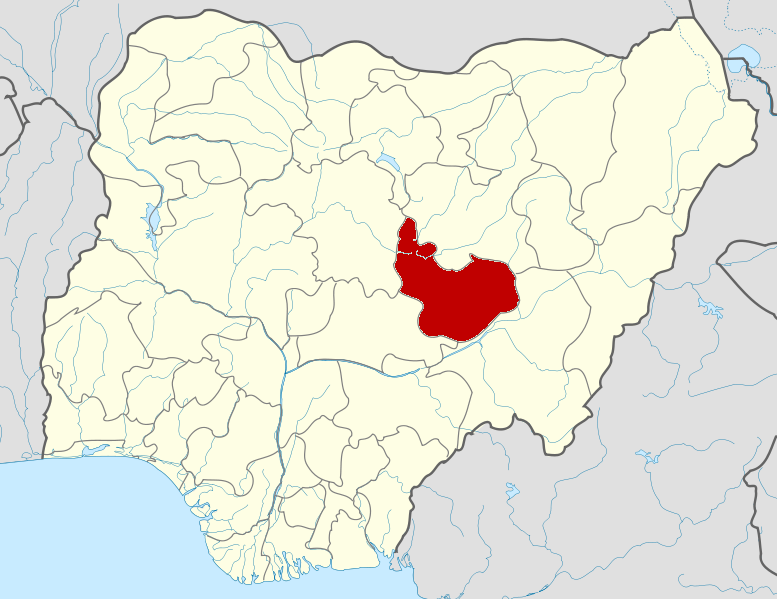
Plateau State is located in the North-Central geopolitical zone of Nigeria, often referred to as the Middle Belt. Known for its picturesque scenery and agrarian economy, the state has historically experienced cycles of violent clashes rooted in land disputes, political grievances, and socio-cultural tensions between indigenous farming communities and migrant herders.
BACKGROUND AND CONTEXT
Conflicts in the Middle Belt of Nigeria have frequently been mischaracterized through a religious or ethnic lens, masking underlying resource competitions over land, water, and political representation. Successive administrations have grappled with finding lasting solutions to these clashes, deploying various military task forces and peace committees to mediate between aggrieved populations.
EXPLAINING IMPORTANT REFERENCES
The North-Central geopolitical zone comprises states like Plateau, Benue, Niger, Kwara, Kogi, and Nasarawa, alongside the Federal Capital Territory. This region forms the bridge between the predominantly Muslim northern states and the largely Christian southern states, making community relations a delicate balance.
IMPACT ANALYSIS
Continued violence in agricultural hubs like Plateau State directly impacts food security and local commerce, driving up the cost of staple foods in major markets across the country. When communities are fractured by fear, productivity drops, forcing farmers off their lands and increasing humanitarian burdens on the state and federal governments.
WHAT HAPPENS NEXT
Federal and state authorities are expected to follow up these high-level security remarks with enhanced intelligence-gathering operations and grassroots peacebuilding initiatives. Stakeholders will watch closely to see if community policing models and dialogue frameworks can bridge the deep-seated trust deficits among local populations.
HERO PERSPECTIVE
Vice President Kashim Shettima's explicit rejection of ethnic and religious justifications for violence in Plateau State directly challenges narratives that stoke communal friction. By decoupling criminality from specific cultural groups, the federal intervention seeks to refocus security agencies on apprehending lawbreakers rather than managing broad identity conflicts.
CLOSING
Achieving lasting stability in the North-Central region requires a concerted push from both community leaders and security apparatuses to isolate bad actors and restore trust across ethnic and religious divides.